
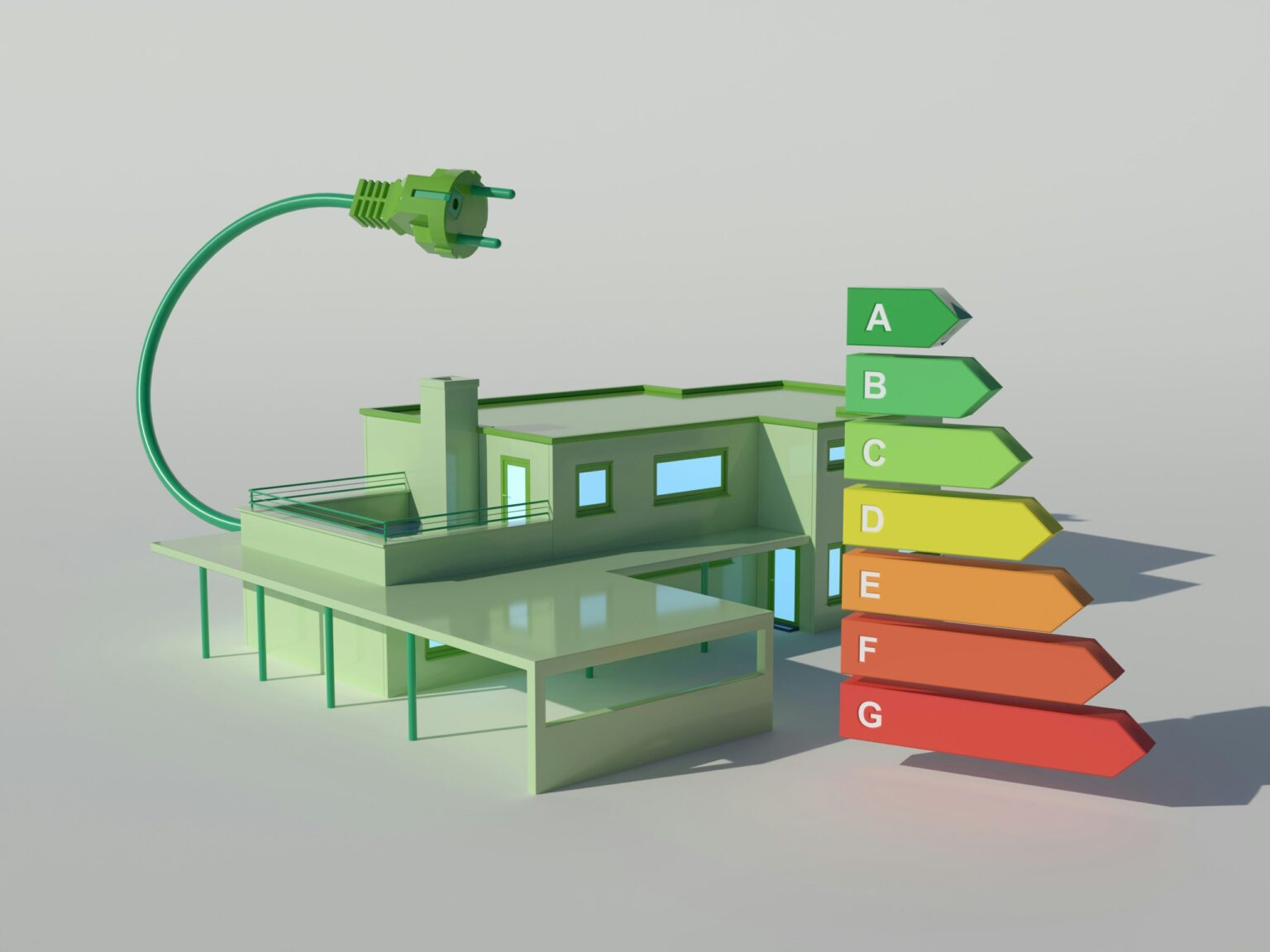
As sustainability becomes a top priority for developers, architects, and building owners in 2026, building energy modeling services stand out as a powerful tool for predicting, optimizing, and achieving superior energy performance. These specialized services use advanced simulation software to create virtual replicas of buildings, forecasting energy consumption, identifying savings opportunities, and ensuring compliance with evolving codes and green standards.
Whether for new construction, major renovations, or retrofits, building energy modeling services help turn ambitious sustainability goals into measurable reality—reducing operational costs, supporting certifications like LEED, and contributing to net-zero ambitions.
Understanding Building Energy Modeling Services
Building energy modeling (often called BEM) involves physics-based computer simulations that replicate a building’s energy use under various conditions. Using tools like EnergyPlus or similar platforms, experts input data on building geometry, envelope materials, HVAC systems, lighting, occupancy patterns, and local climate to predict annual energy consumption, peak loads, and more.
Professional building energy modeling services go beyond basic calculations. They provide:
- Early-stage design analysis to compare options like envelope upgrades, HVAC alternatives, or renewable integrations
- Code compliance modeling (e.g., ASHRAE 90.1 Appendix G) for energy code adherence
- Performance rating for green certifications (LEED, ENERGY STAR, net-zero)
- Lifecycle cost analysis, payback periods, and incentive/tax credit qualification (such as 179D deductions)
- Decarbonization roadmaps and carbon footprint reduction strategies
In 2026, with stricter regulations and incentives tied to energy performance, these services are essential for data-driven decisions that balance upfront costs with long-term savings.
Key Benefits of Investing in Building Energy Modeling Services
Engaging expert providers delivers tangible advantages across project phases:
- Significant Energy & Cost Reductions — Early modeling often uncovers 20-40% savings in annual energy use through optimized designs
- Faster ROI & Financial Incentives — Identify measures with quick paybacks; qualify for tax credits, utility rebates, and performance-based incentives
- Enhanced Sustainability Credentials — Streamline paths to LEED Platinum, net-zero certification, and other green ratings
- Risk Mitigation — Avoid costly redesigns by testing scenarios virtually before construction
- Improved Occupant Comfort & Resilience — Better indoor air quality, thermal performance, and adaptability to climate challenges
- Regulatory Compliance — Meet or exceed energy codes, building performance standards, and emerging electrification mandates
Projects incorporating robust modeling early frequently achieve higher performance ratings and stronger market appeal in an era of rising energy prices and environmental scrutiny.
How Building Energy Modeling Services Work in Practice
Top providers follow a structured approach:
- Data Collection — Gather architectural drawings, material specs, occupancy schedules, and utility data
- Model Creation — Build a calibrated virtual model reflecting real-world conditions
- Baseline & Proposed Simulations — Compare code-compliant baseline against design alternatives
- Iterative Optimization — Test envelope improvements, efficient HVAC, daylighting, renewables, and controls
- Reporting & Recommendations — Deliver detailed reports, energy savings projections, and documentation for certifications or incentives
Many firms integrate modeling with MEP design, commissioning, and computational fluid dynamics for holistic building performance.
2026 Trends Shaping Building Energy Modeling Services
The field is advancing quickly, influenced by technology and policy:
- AI & Machine Learning Integration — Faster model calibration, predictive analytics, and automated optimization
- Electrification Focus — Modeling heat pumps, EV charging, and all-electric systems for grid resilience
- Digital Twins & Real-Time Simulation — Linking models to building sensors for ongoing performance tracking
- Decarbonization Emphasis — Carbon-focused analysis alongside energy use
- Grid-Interactive Efficient Buildings — Designs that support demand response and flexible loads
With the global market for energy modeling tools and services growing steadily, forward-thinking providers leverage these trends to deliver cutting-edge results.
Why Choose Experienced Building Energy Modeling Services?
Select a partner with proven expertise in high-performance buildings, in-house modeling capabilities, and a track record across sectors like commercial, healthcare, science & technology, and education. Look for teams that combine technical precision with sustainability consulting to align energy strategies with your overall project vision.
In 2026, building energy modeling services are more than a compliance checkbox—they’re a strategic investment that creates efficient, resilient, and future-ready buildings. Partner with specialists who deliver actionable insights and measurable performance to elevate your next project.
Post from ENGR NEWS WIRE