
Published on
January 18, 2026
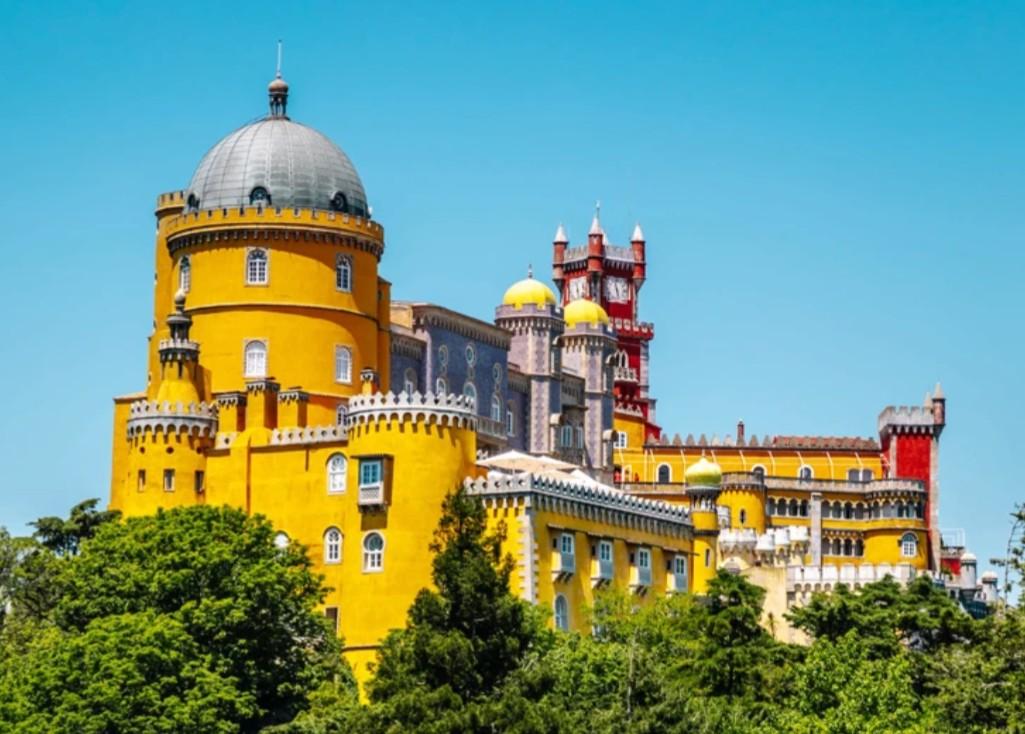
Sintra‘s Pena Palace stands as a vibrant testament to Romanticism, captivating visitors with its colorful facades and the adjoining Pena Park filled with symbolic wonders. Perched atop the Sintra Mountains, this nineteenth-century masterpiece draws millions annually, fueling Portugal tourism through its blend of history and mystery. The site’s allure promises sustained growth in Sintra tourism, as families and adventurers seek immersive experiences amid enchanted landscapes.
Architectural Origins
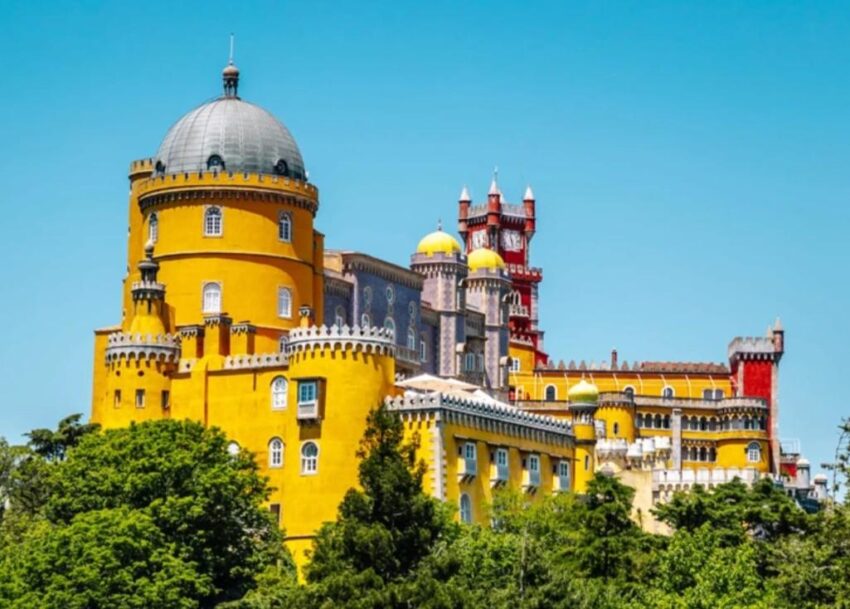
Pena Palace originated from a sixteenth-century Hieronymite monastery ruins, damaged by the 1755 earthquake and acquired in 1838 by King Ferdinand II. Construction spanned 1842 to 1854 under German architect Baron Wilhelm Ludwig von Eschwege, marking his debut and pinnacle project. The palace fuses Neo-Gothic, Neo-Manueline, Neo-Islamic, and Neo-Renaissance styles, featuring bold yellow and red walls, towers, domes, and arched windows.
Restoration in 1994 revived original hues, ochre for new sections, rose for the monastery core, enhancing its fairytale appeal. This eclectic design reflects Ferdinand II‘s vision of a summer retreat blending medieval and exotic influences. Sintra tourism benefits immensely, as the palace’s uniqueness positions it as Portugal‘s top draw, outshining rivals and spurring year-round visits.
Park’s Symbolic Landscape
The Pena Park spans two hundred hectares of winding paths, exotic plants, and Romantic landmarks, curated by Ferdinand II to harmonize with Sintra’s misty hills. Highlights include the Temple of Columns adorned with Green Man motifs and Knights Templar crosses, evoking ancient rituals. Nearby, the enigmatic Warrior Statue sparks debates over identities like explorer Vasco da Gama, paired with the octagonal Queen’s Table suggesting ceremonial use.
Camellia groves from the 1840s bloom in winter festivals, alongside pavilions, the High Cross, and Valley of the Lakes. These elements invite exploration, turning Pena Park into a mystical haven. Sintra tourism thrives here, as hidden corners boost dwell times, encouraging longer stays and higher spending on guided Portugal tourism packages.
Historical Transformation
From a 12th-century chapel expanded by King Manuel I into a monastery, the site lay abandoned until Ferdinand II‘s revival. The king repaired cloisters, added vaulted rooms, and built a new wing with grand halls and a clock tower by the mid-1860s. Post-1910 monarchy abolition, it became a public museum, earning UNESCO status in 1995 within Sintra’s Cultural Landscape.
This evolution underscores Pena Palace‘s role in Portugal‘s Romantic era, drawing parallels to Rhine castles. Tourism impacts positively, with preservation ensuring accessibility for families, elevating Sintra as a must-visit amid rising European travel trends.
Tourism Boost Factors
Pena Palace and Pena Park anchor Sintra tourism, welcoming over one million visitors yearly through efficient ticketing and shuttles from Lisbon. Vibrant colors and panoramic views from terraces overlooking the Atlantic mesmerize, while interiors showcase opulent tilework and artistry. The site’s integration into Sintra’s ensemble, near Quinta da Regaleira, creates multi-day itineraries.
Portugal tourism gains from this, as Sintra day-trippers extend to overnights, supporting local eateries and crafts. Mystical symbols appeal to history buffs, enhancing repeat visits and social media shares that amplify global buzz.
Visitor Experience Tips
Exploring Pena Palace starts with the Arches Yard’s Moorish arches, leading to bastions and drawbridge gateways. Pena Park rewards with scenic groves and pavilions, ideal for picnics. Advance bookings via official channels avoid queues, maximizing time for symbolic discoveries.
Families find Sintra tourism accessible, with paths suiting all ages. Portugal tourism operators bundle it with cable car rides, sustaining momentum despite crowds.
Global Recognition
As a UNESCO site, Pena Palace exemplifies nineteenth-century Romanticism, rivaling Neuschwanstein in allure. Its hilltop perch offers Sintra Mountain vistas, blending nature and artifice seamlessly. Tourism here counters overtourism elsewhere in Portugal by dispersing crowds into the expansive Pena Park.
This table illustrates key draws, solidifying Sintra‘s role in Portugal tourism.
Future Preservation Efforts
Ongoing conservation by Parques de Sintra ensures Pena Palace and Pena Park endure, with eco-measures protecting flora. Digital enhancements like apps guide symbolic hunts, future-proofing tourism. Sintra‘s mystique will continue captivating, propelling Portugal tourism forward.
Rising interest post-pandemic positions Pena Palace for record years, as sustainable practices balance growth. Tourism evolves here through education on its Romantic roots, ensuring lasting legacy.
Image Credit: PARQUES DE SINTRA – MONTE DA LUA
