
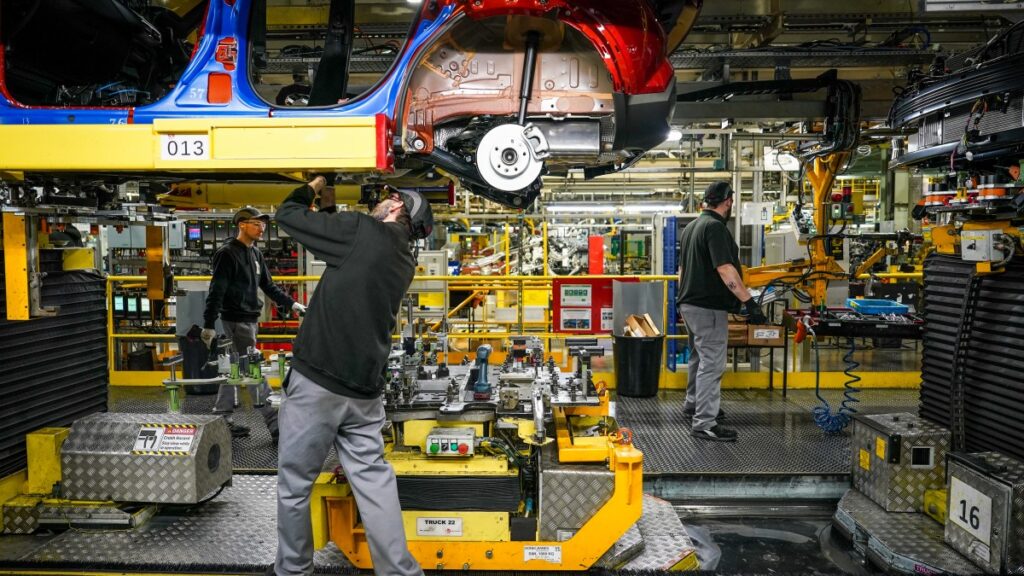
The UK economy could face a hit of up to £6 billion this year if President Trump presses ahead with fresh trade tariffs in response to the dispute over Greenland, with the car industry the worst struck.
British companies have been threatened with another 10 per cent increase on goods exported to America from February 1, rising to 25 per cent in June, on top of the 10 per cent currently levied.
However, the impact of higher tariffs was likely to be contained to a small number of industries, economists have said, noting that the UK has so far proven more resilient than previously expected amid Trump’s trade policies.
• Trump accused of blackmailing allies with tariffs over Greenland
President Trump’s threats were an unwelcome development but not significant enough to tip the UK into a recession, Simon French, chief economist at Panmure Liberum said, estimating that average quarterly growth of 0.3 per cent this year could be hit by up to 0.05 per cent.
The export of goods to the US accounts for just 2 to 3 per cent of the UK’s economic output, lower than other industrial economies in Europe.
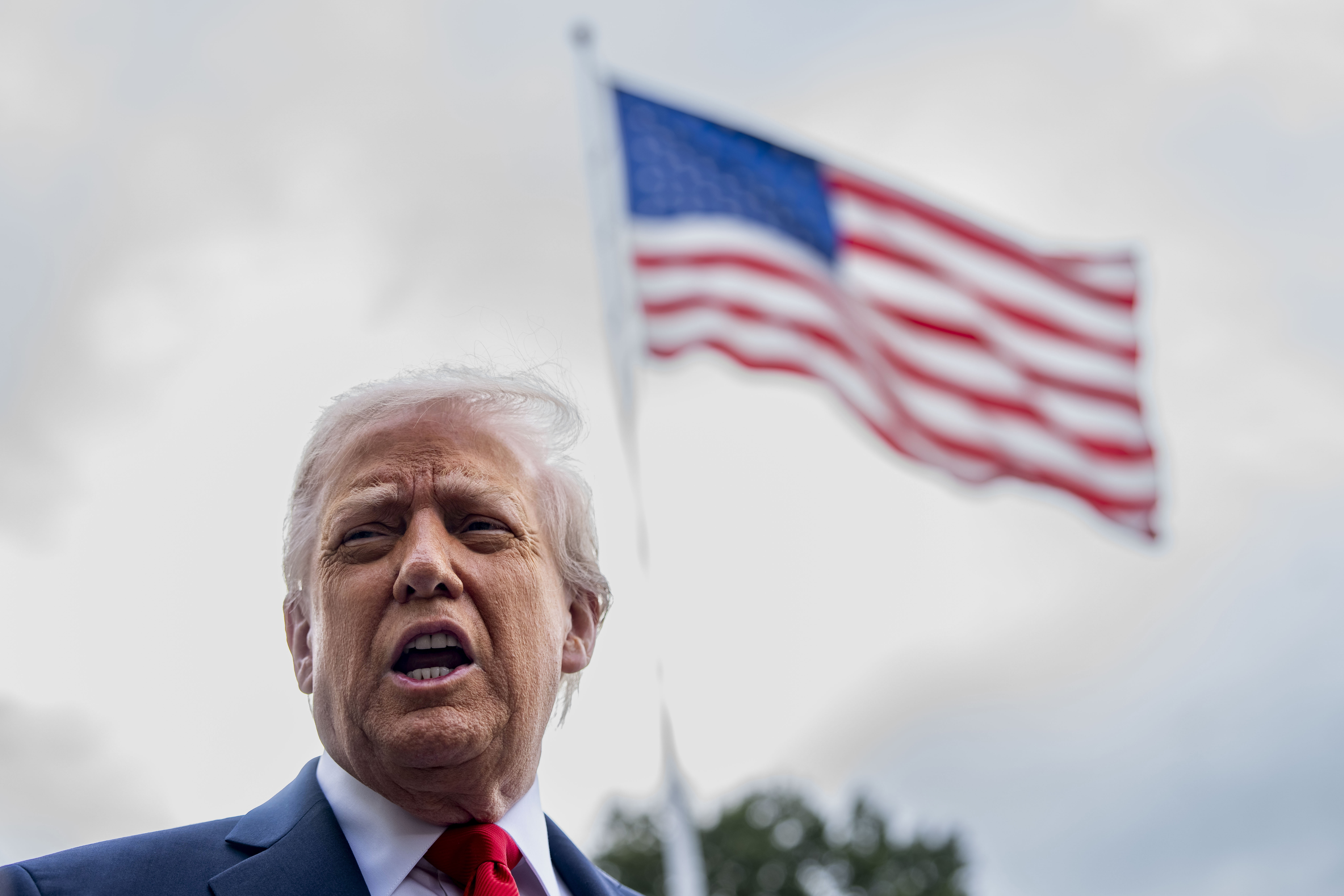
President Trump has ordered 10 per cent tariffs on nations who took part in a Nato exercise in Greenland
BONNIE CASH/EPA
It is likely that the Bank of England would seek to counter any signs of possible weakening in the economy with more interest rate cuts to maintain demand growth, Philip Shaw, chief economist at Investec, said.
Among those that could be worst hit is Britain’s car industry. It accounted for £10 billion of Britain’s goods exports to America in the 12 months to June last year, according to the Department for Business and Trade.
• What more Trump tariffs mean for the UK: carmakers, look away now
UK exporters could face a choice between passing on any additional costs to American consumers through price increases — thereby stymying demand — and absorbing the impact on their profitability.
The Society of Motor Manufacturers and Traders said it was “monitoring” the situation but declined to comment further on any possible increase in tariffs.
Richard Rumbelow, director of international business at Make UK, the manufacturers’ organisation, said that UK manufacturers were concerned “by escalating rhetoric that risks spilling over into trade policy”.
He added that the deep integration between the UK and US manufacturing sectors meant that “any move towards new tariffs would be felt quickly through higher costs, disrupted supply chains and reduced business confidence”.
• Trump must understand that seizing Greenland would come at a cost
“This is already having a real impact, with UK manufacturers planning to reduce exports to the US this year in response to existing tariffs,” he said.
James Smith, an economist at ING, said that the bigger concern is if higher tariffs weigh on America and the wider global economy.
“Services exports to America are more significant than goods and these are highly sensitive to the health of the global economy,” Smith said.
However, it remains uncertain whether President Trump will follow through with higher tariffs. Some of the original “liberation day” levies imposed last April have been dialled back.
The US Supreme Court is expected to rule soon on the legality of Trump’s use of emergency powers to impose tariffs, which could limit America’s ability to impose blanket trade levies.