
19
Jan 2026
Croatia’s tourism posted a record 110 million overnight stays in 2025, with 21.8 million visitors, tourism data shows.
Most stays were logged along the Adriatic coast, with growth in Zagreb and inland regions during 2025.
Adriatic leads count
Most of the overnight stays recorded came from the Adriatic coast, according to data from Croatia’s eVisitor system. Coastal counties logged about 104.6 million overnight stays, up roughly 1% from the year before.
Istria again ranked first with roughly 30.3 million overnight stays, followed by Split-Dalmatia County at about 20.9 million. Kvarner and Zadar County followed, while Dubrovnik-Neretva County recorded just over 9 million overnight stays.
Hotels, private rentals, campsites, and nautical tourism all contributed to the total, based on registrations across commercial and non-commercial accommodation.
Growth beyond coast
Inland Croatia also saw higher tourism numbers during 2025, though totals remained significantly lower than those along the coast.
Continental regions, including Zagreb, recorded about 5.6 million overnight stays, an increase of roughly 2% compared with the previous year.
Zagreb recorded the highest number of inland overnight stays, with increased activity during December. Other continental areas also contributed to the total, supported by domestic travel and shorter stays recorded throughout the year.
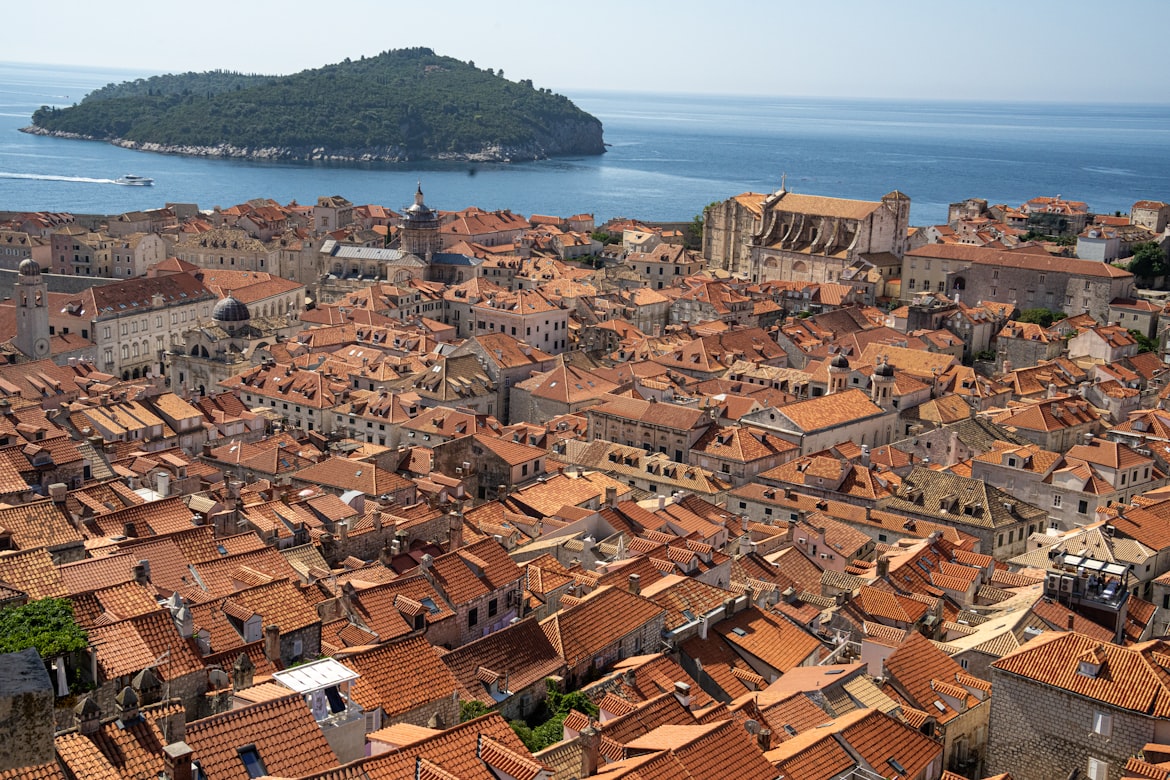
(Image courtesy of mana5280 via Unsplash)
Record numbers confirmed
According to data published by the Croatian National Tourist Board, Croatia recorded more than 21.8 million tourist arrivals during 2025. Tourist arrivals rose by about 2% year on year, while overnight stays increased by approximately 1%.
The totals include travel in commercial and non-commercial accommodation, as well as nautical charter stays, as registered in the eVisitor and eCrew systems. December accounted for more than 1.1 million overnight stays nationwide.
Holiday travels boost
Tourism figures show higher activity during the end-of-year holiday period.
Between December 24 and January 1, Croatia recorded more than 188,000 tourist arrivals and over 541,000 overnight stays, representing an increase compared with the same period in 2024.
During this period, the highest numbers of overnight stays were recorded in destinations including Zagreb, Dubrovnik, Opatija, Split, and Rovinj. Hotels accounted for the largest share of overnight stays, followed by private accommodation.
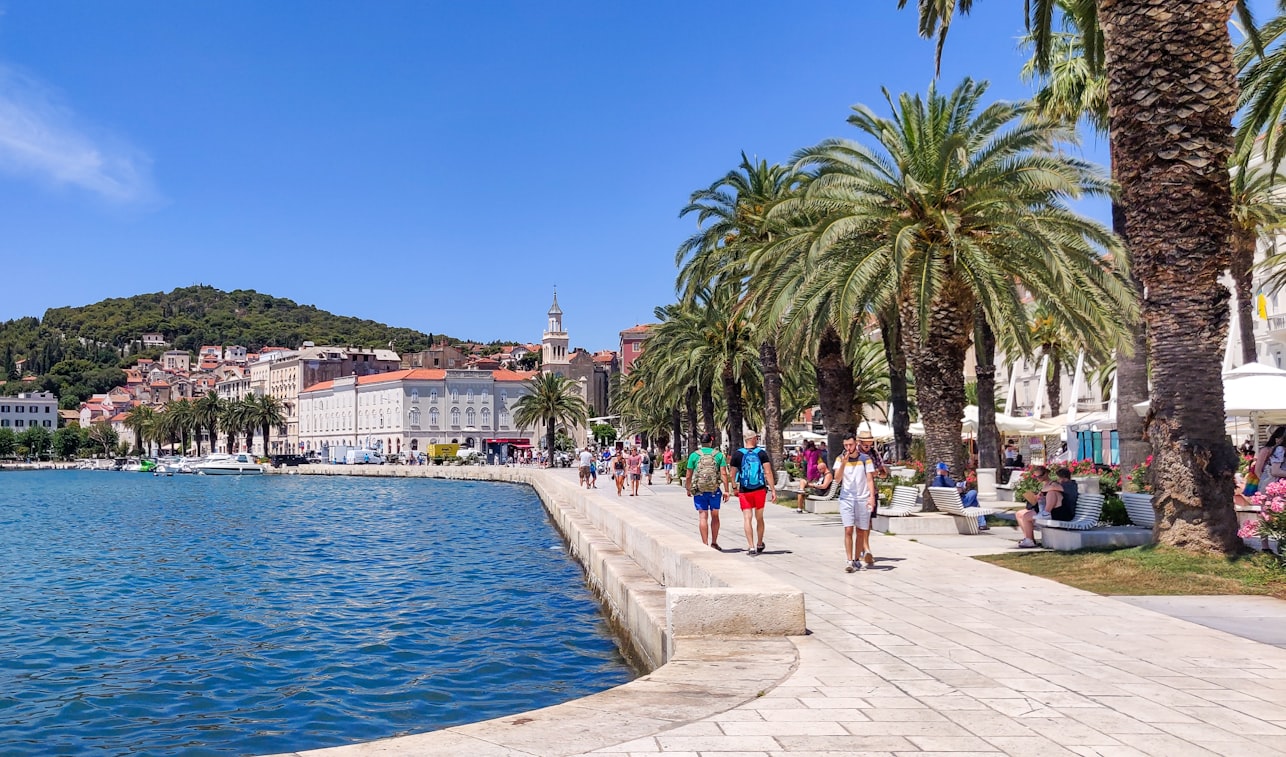
(Image courtesy of Mars via Unsplash)
Foreign visitors drive demand
Tourists from Germany generated the highest number of overnight stays in Croatia in 2025, with about 22.3 million recorded. Domestic tourists followed with approximately 13.8 million overnight stays.
Other major source markets included Slovenia, Austria, Poland, the Czech Republic, and the United Kingdom. These markets accounted for a significant share of total overnight stays during the year, according to official tourism data.
Prices, capacity changes
Tourism authorities reported that 2025 also coincided with changes to accommodation capacity regulations. These adjustments affected how accommodation units are registered and monitored within the tourism system.
Officials noted that promotional activities for the following year began earlier, focusing on advance bookings and digital marketing. These efforts targeted both peak and off-peak travel periods, based on published tourism planning documents.

(Image courtesy of Emmanuel Cassart via iStock)
Travel rules in focus
The tourism results were recorded as European Union border systems continued to roll out across Schengen countries, including Croatia.
The Entry-Exit System (EES) became operational in October 2025 and is being introduced gradually at external borders, with full implementation scheduled by April 2026.
The EES electronically records the entry and exit of non-EU nationals traveling for short stays of up to 90 days within a 180-day period. The system applies to travelers who require a short-stay visa and those who are visa-exempt.
Passport stamping is replaced with digital records, including biometric data.
The European Travel Information and Authorization System (ETIAS) is scheduled to begin operations in the last quarter of 2026.
Once implemented, visa-exempt travelers from 59 countries and territories will need to obtain travel authorization before entering 30 European countries, including Croatia, for short stays.
ETIAS applies only to short-term travel and does not grant automatic entry. Travelers will still be required to meet entry conditions at the border.
Long-term visitors, migrants, and residents will continue to follow national visa and residence procedures rather than ETIAS requirements.
Policy pressure across Europe
Rising travel volumes across Schengen countries have coincided with wider use of digital border management systems.
The EES allows participating countries to share entry and exit data for short-term visitors, supporting enforcement of stay limits across the Schengen Area.
The system is intended to improve border checks and support monitoring of short-term travel by non-EU nationals. National immigration authorities retain responsibility for long-term residence permits, asylum procedures, and work or study visas.
As travel demand remains high, EU countries continue to apply shared border systems alongside national immigration rules.
Croatia’s tourism in 2025 reflects how strong visitor numbers are being recorded alongside tighter registration and monitoring requirements at external borders.