
Published on
January 20, 2026
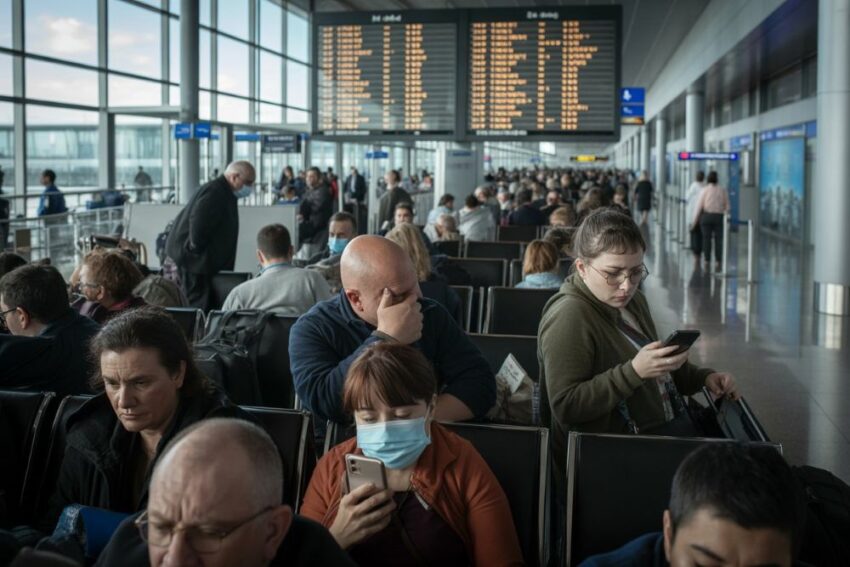
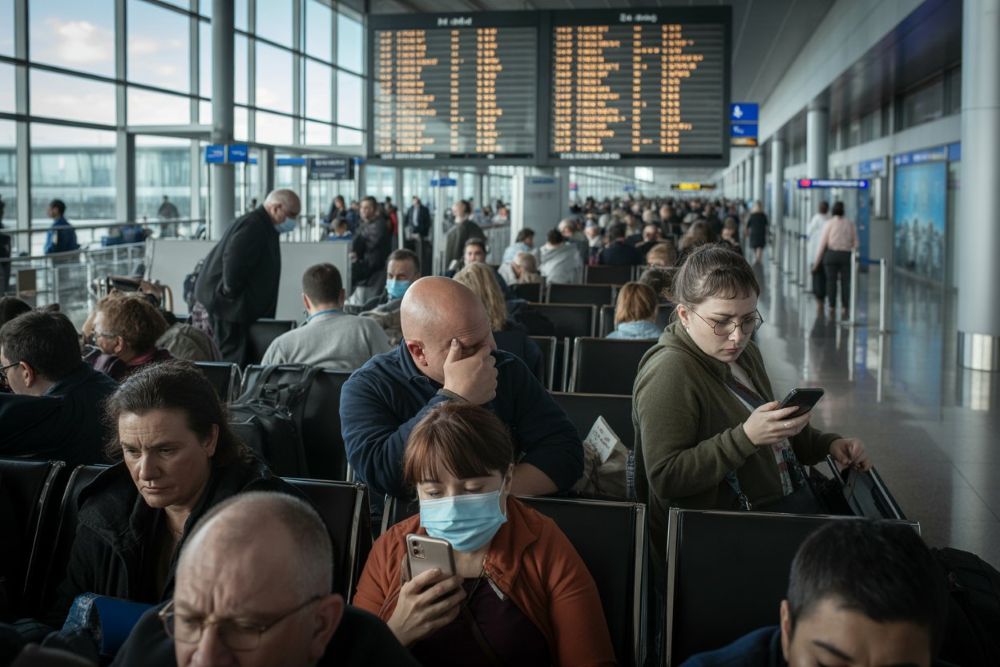
Thousands of travelers are facing significant disruptions across Europe as severe weather has led to widespread cancellations and delays. Heavy rainfall and flooding in France, Spain, Turkey, and Hungary have caused operational challenges, with 78 cancellations and a staggering 1,033 delays recorded. Major airlines like Air France, British Airways, Finnair, Iberia, and several others are struggling to maintain schedules, impacting flights from Paris, Madrid, Istanbul, and other major cities. The adverse weather conditions, including rising water levels, closed roads, and school shutdowns in France, have led to widespread transport disruptions, particularly around key airports. Passengers are stranded, facing long waits and uncertainty as the disruptions continue to unfold.
Severe weather conditions, led by heavy rainfall and flooding in southern France, have significantly disrupted travel across Europe, compounding operational pressures at major airports and airlines. The combined impact of extreme weather and airport congestion has resulted in 1,033 total delays and 78 total cancellations, affecting passengers across France, the United Kingdom, Spain, the Netherlands, Denmark, Hungary, Türkiye, and beyond.
Extreme Weather in Southern France Fuels Travel ChaosFlooding, Road Closures, and School Shutdowns Add Pressure
Heavy rainfall across southern France has emerged as a major trigger behind the disruptions. Météo France issued a code orange storm alert, the second-highest warning level, for three departments and the Mediterranean island of Corsica. Authorities warned of rapidly rising river levels and flash flooding, conditions that directly impacted ground transport and airport accessibility.
More than 40 roads were closed, while schools in 109 locations remained shut, limiting staff movement and passenger access to transport hubs. In coastal Narbonne, residents in two districts were evacuated overnight as a precaution, while emergency services responded to 72 weather-related calls, with one person seriously injured.
Advertisement
Advertisement
Around Perpignan, numerous roads were closed, triggering long traffic tailbacks and further complicating access to regional airports. While the rainfall eased long-standing water shortages—prompting the lifting of water restrictions in Pyrénées-Orientales—the short-term impact on travel operations was severe.
Airport-by-Airport Breakdown of DisruptionsFrance Bears the Brunt of Airport Delays
France emerged as one of the worst-affected countries, with multiple airports reporting heavy disruption:
- Charles de Gaulle/Roissy (Paris) recorded 178 delays and 24 cancellations, reflecting pressure on Europe’s largest aviation hub.
- Paris Orly saw 61 delays and 14 cancellations, compounding congestion in the capital.
- Nice Côte d’Azur faced 50 delays and 8 cancellations, affected by weather moving across southern France.
- Toulouse-Blagnac reported 18 delays and 10 cancellations, highlighting regional vulnerability to weather-driven disruption.
Other Major European Airports Impacted
Disruptions extended well beyond France:
- Amsterdam Schiphol logged 178 delays and 4 cancellations, reflecting ripple effects across northern Europe.
- London Heathrow recorded 63 delays and 3 cancellations, adding pressure on UK outbound and connecting travel.
- Copenhagen reported 74 delays and 2 cancellations, while Budapest Ferenc Liszt Airport saw 52 delays and 2 cancellations.
- Adolfo Suárez Madrid-Barajas experienced 142 delays and 2 cancellations, affecting travel across Spain.
- Istanbul Sabiha Gokcen stood out with 217 delays and 9 cancellations, the highest delay count among all listed airports.
European Airlines Under Operational Strain
Airlines across Europe also struggled to maintain schedules amid weather and airport congestion:
- Air France reported 37 cancellations and 105 delays, the highest disruption among carriers.
- British Airways logged 56 delays and 1 cancellation, reflecting knock-on effects from congested hubs.
- Finnair recorded 44 delays and 2 cancellations, while Iberia faced 34 delays and 2 cancellations.
- Regional and smaller carriers were also affected, including Cityjet with 10 delays and 2 cancellations, German Airways with 8 delays and 2 cancellations, and HOP! with 8 delays and 4 cancellations.
Analysis of Countries, Cities, and Networks Affected
The data shows disruption concentrated in France, Türkiye, Spain, and major European transit hubs such as Paris, Amsterdam, London, and Istanbul. These cities act as critical connectors for both intra-European and long-haul travel, meaning delays quickly cascaded across borders. Airlines heavily dependent on hub-and-spoke operations were particularly exposed, amplifying the impact for passengers across the continent.
What Affected Passengers Can Do Now
Passengers caught in the disruption should take immediate steps to reduce inconvenience:
- Monitor airline apps and airport updates frequently for real-time changes.
- Contact airlines directly to explore rebooking, refunds, or care options.
- Allow extra time for airport arrival, especially where road access is affected by flooding.
- Keep documentation for potential compensation claims under European passenger rights regulations.
- Consider flexible travel alternatives if connections are missed or severely delayed.
Outlook for European Travel
With 1,033 delays and 78 cancellations already recorded, European travel networks remain under pressure. While water levels in parts of southern France have begun returning to normal and underground reserves have been replenished, the immediate operational fallout continues to affect airports and airlines. Travelers across Europe should remain alert as recovery efforts continue and schedules stabilise.
Source: FlightAware and affected airports
