
Published on
January 20, 2026
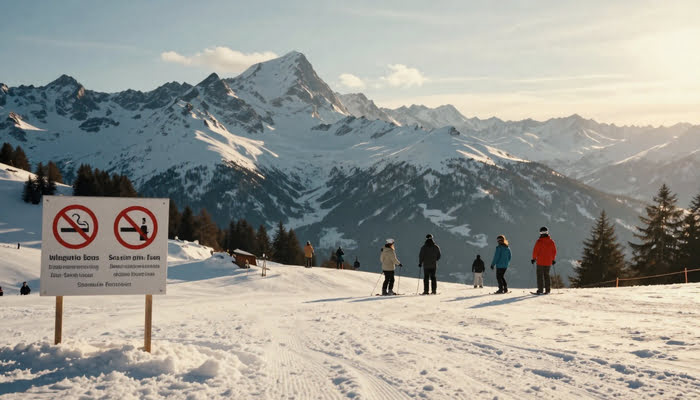
France and Austria have implemented bold new bans on smoking and alcohol at their ski resorts, focusing on protecting the environment and enhancing safety for tourists. These restrictions come in response to growing concerns about environmental damage caused by cigarette butts, one of the most prevalent forms of litter in high-altitude resorts. Made from plastic fibres, these butts can remain in the environment for years, threatening fragile mountain ecosystems.
In addition, both countries have witnessed a surge in disruptive behaviour related to alcohol consumption, with intoxicated tourists creating safety risks and disturbing local communities. In Austria, a ban on alcohol consumption in public outdoor areas, including ski-adjacent zones and town streets, has been introduced to mitigate these issues and create a safer atmosphere for visitors and locals alike.
With these new measures, France and Austria aim to enhance the ski experience, protect the environment, and improve safety standards on the slopes. These actions set a strong precedent for other European ski resorts to follow in promoting sustainability and ensuring a more enjoyable and secure environment for all.
In France, a sweeping smoking ban has been introduced that covers ski slopes, ski lifts, lift queues, access roads to resorts, and areas surrounding mountain lakes. Under the new regulations, smoking is only permitted in designated café and restaurant terraces. Those caught violating the ban could face hefty fines, starting at €375. This move is part of France’s ongoing efforts to reduce smoking rates across the country, particularly among the youth. Official reports show that smoking-related illnesses cause around 75,000 deaths each year in France, making the initiative even more pressing.
Advertisement
Advertisement
Environmental groups have strongly supported the smoking ban, highlighting the significant environmental damage caused by cigarette butts, which are one of the most common forms of litter found at high altitudes. These groups have raised concerns about the long-lasting effects of cigarette filters, which are made from plastic fibres and can persist in the environment for many years. A recent clean-up effort on the French slopes saw volunteers collect over 58,000 cigarette butts alone, underscoring the magnitude of the issue. The filters, which take years to decompose, pose a serious threat to the pristine environment of ski resorts and surrounding natural areas.
The smoking ban in France is part of a wider national strategy to reduce tobacco consumption and its related health risks. The country has long been a leader in anti-smoking initiatives, but this new measure aims to extend protections to public spaces that see high foot traffic, such as ski resorts. By curbing smoking in these areas, the French government hopes to further discourage tobacco use and foster a healthier environment for visitors.
Meanwhile, Austria has taken a different but equally significant step to maintain a safe and enjoyable environment for everyone on the slopes. At the renowned Alpine resort of Sölden, authorities have imposed a ban on the consumption of alcohol in all public outdoor spaces, including ski-adjacent zones and even the streets of the town. The decision to implement this restriction came after repeated complaints from local residents about the disruptive behaviour of intoxicated tourists. Residents reported seeing tourists playing with empty beer bottles in the streets and creating dangerous situations by stumbling around the resort area.
The new alcohol ban was introduced in response to these concerns and aims to promote safety and respect for the local community. With fines for breaking the ban reaching up to €2,000, the authorities are taking a firm stance against disruptive behaviour, in a bid to make the resort more comfortable for both visitors and the people who call these towns home. While alcohol consumption is a hallmark of many ski resorts, the authorities in Sölden believe that these measures are necessary to ensure that the tourism experience does not negatively impact the local quality of life.
Resort operators and local officials are quick to emphasise that these measures are not designed to discourage tourism but rather to strike a delicate balance between ensuring that visitors have a good time while maintaining a high standard of living for the local community. The intention is to protect the Alpine environment and enhance the overall skiing experience by reducing the risks of accidents and disturbances caused by intoxicated individuals.
These moves come as European ski resorts experience record numbers of visitors each year. As the demand for ski vacations continues to rise, resorts across the Alps are increasingly looking at ways to manage crowds and preserve the integrity of their landscapes. The adoption of such regulations in both France and Austria may serve as a model for other ski resorts throughout Europe. If these measures prove successful, it’s likely that other regions will follow suit, introducing similar regulations aimed at curbing litter, improving safety, and promoting more sustainable tourism practices in mountain destinations.
France and Austria have introduced bold smoking and alcohol bans at ski resorts to protect the environment from litter and ensure safety by curbing disruptive behaviour, enhancing the overall tourist experience.
The increasing focus on environmental responsibility and community well-being has become a key theme in the tourism industry in recent years. As ski resorts across Europe seek to balance the economic benefits of tourism with the need to protect their natural resources, these new restrictions on smoking and alcohol consumption reflect a growing recognition of the importance of sustainable and responsible travel. With more resorts adopting such measures, the future of Alpine tourism may look very different, but it could lead to a safer, cleaner, and more enjoyable experience for all.
