
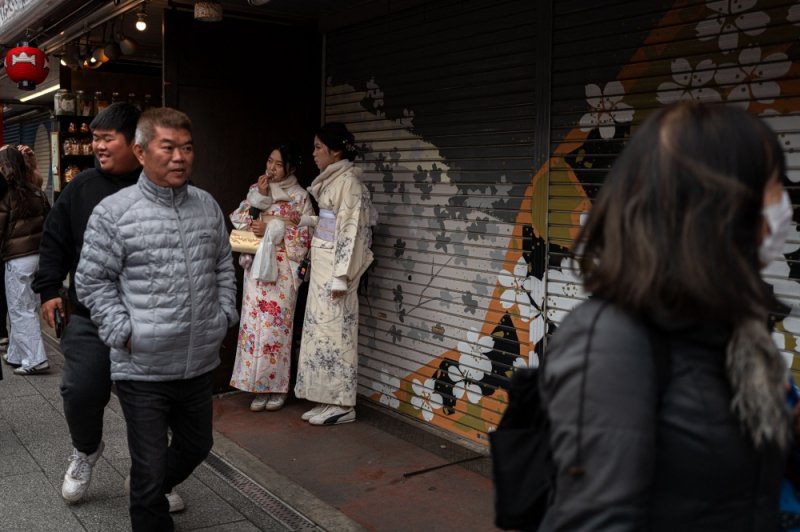
Japan welcomed a record 42.7 million tourists in 2025, reaching an all-time high despite a sharp decline in visitors from China following diplomatic tensions between the two countries.
According to Japan’s transport ministry, last year’s figure surpassed 2024’s previous record of nearly 37 million arrivals. A weak yen continued to make Japan an attractive “bucket list” destination, drawing strong visitor numbers from Europe, the United States, and Australia, News.Az reports, citing foreign media.
However, Chinese tourist arrivals in December fell by around 45 percent year-on-year to approximately 330,000 visitors. The decline followed Beijing’s travel warning to its citizens after Prime Minister Sanae Takaichi suggested in November that Japan could intervene militarily in the event of an attack on Taiwan. The diplomatic row appears to have directly impacted travel flows.
China had been Japan’s largest source of inbound tourism, with 7.5 million Chinese visitors recorded in the first nine months of 2025 — about a quarter of all foreign arrivals. During the third quarter alone, Chinese tourists spent an estimated $3.7 billion, highlighting their importance to Japan’s tourism economy.
Tokyo-based travel agencies catering to Chinese clients have reported severe losses. One agency told AFP that sales plunged by 90 percent after Beijing’s warning.
Despite this, Transport Minister Yasushi Kaneko called the overall tourism performance a “significant achievement,” noting that strong demand from other regions offset the drop in Chinese arrivals. Officials also expressed hope that Chinese tourists would return once relations stabilize.
Government-backed tourism campaigns promoting destinations beyond major cities — from Mount Fuji to rural shrines and regional cuisine — have helped broaden Japan’s travel appeal. Authorities aim to reach 60 million annual tourists by 2030.
While arrivals remain high, Japan’s biggest travel agency JTB predicts slightly lower tourist numbers in 2026, citing weaker demand from China and Hong Kong. However, tourism revenue is expected to rise due to higher accommodation prices and strong visitor spending.
With more repeat visitors exploring rural areas, officials are working to spread tourism more evenly across the country. Overcrowding in hotspots like Kyoto has triggered resident complaints about traffic congestion, littering, and tourists harassing geisha for photos.
To manage overtourism, authorities have introduced measures including entry fees and daily visitor caps for Mount Fuji hikers. In 2024, officials even erected a temporary barrier outside a convenience store to stop crowds blocking roads to photograph a viral view of the iconic volcano.
Japan’s tourism boom continues — but balancing growth with sustainability remains an increasing challenge.