
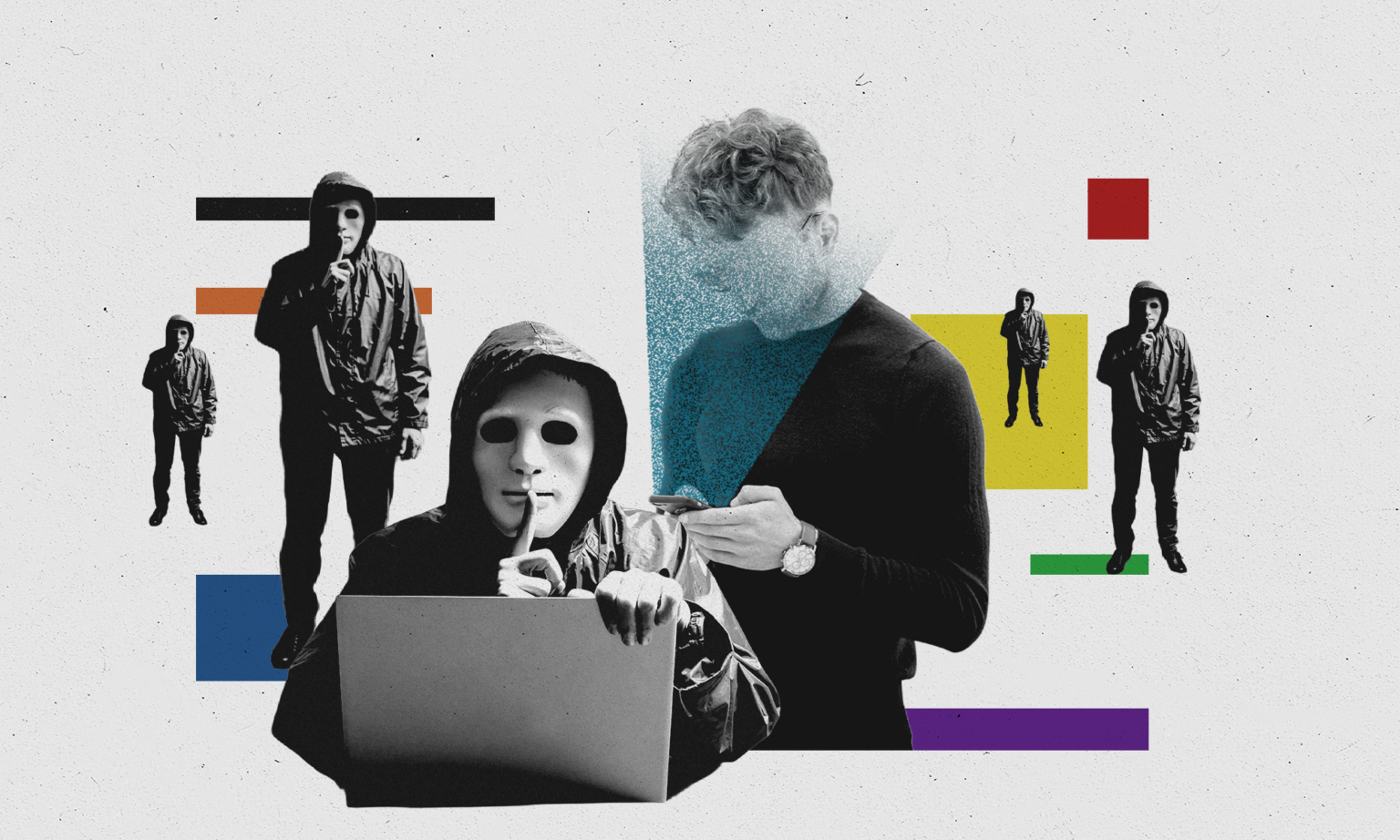
More than a third of respondents reported turning up to a date and finding a different person than the one they agreed to meet. In most cases, the date went no further.
“A different person showed up, and I didn’t even realise it because of how nervous I was,” said one respondent. “He didn’t want anything from me, except that he was insecure, so I even agreed to have a drink even though he wasn’t fair.”
Another said: “At that moment, I wasn’t mentally strong enough to say no, so I made up a story that I was still suffering over my ex and that I couldn’t have any contact, which he respected. We had a nice conversation afterwards.”
Such situations can appear innocuous, but some respondents reported experiencing violence when they allowed the dates to proceed. One said he had been raped three times.
Ivan, a gay man from Belgrade, recalled chatting with another man on Grindr in 2024.
“We exchanged pictures, talked, nothing seemed suspicious,” he said, nothing except the man’s insistence that they meet.
“It was very late,” he said. “I was thinking about whether to go or not, but in the end, I said, ‘I’ll go’.”
When he arrived at the address the man had sent him, three masked men appeared, armed with batons. They shouted and attacked him.
“The fight didn’t last too long,” said Ivan. “I managed to break away from them relatively quickly.”
Ivan called the emergency services and an ambulance and police car arrived. He didn’t realise he had a broken finger, as well as minor head injuries.
Ivan told the police what had happened but has no idea what happened with the investigation. In the year that followed, the police called only once to ask if there were security cameras at the scene.
“Relatively often, victims of scams and catfishing on dating apps reach out to us, mostly from Belgrade and Novi Sad,” said Lazic of ‘Da se zna!’
In the capital, he said, there was a case involving a group that arranged meetings outdoors with gay/bi men through dating apps, even in public places, and then beat up and robbed the victims.
“This is particularly dangerous because a large number of LGBT+ people arrange their first meeting in a public place to be sure of who comes to their apartment later, and criminal and violent groups obviously know this and abuse it.”
The Serbian interior ministry did not respond to a request for comment.
Only one respondent said he had gone to the police.
“The police listened, made a report and their attitude was – ‘that’s it, we don’t have the resources to detect fake profiles, only if they are blackmailing or threatening’,” he said. “They said it happens very often that profiles steal pictures from Instagram and try to seduce people, even for pathological reasons, not with the aim of extorting anything.”
Lazic said the police are aware of such cases but frequently fail to act.
“Police are aware of scams on social media in almost all its forms, including on dating apps,” he said. “Groups that commit such criminal offences usually try to do it with dozens or even hundreds of people in order to find one victim who they can deceive and rob.”
“It seems that the police and the prosecutor’s office are not very interested in delving into this topic and a large number of such cases remain unprocessed.”
Lazic said he knew of only one case in which the alleged perpetrator was prosecuted.
“Of course, it is also completely true that LGBT+ people often do not report that they have been victims of scams on dating apps precisely because they do not trust that institutions will protect them.”
*Some names have been changed to the protect the identities of men targeted for fraud or attack on dating apps.