

- by croatiaweek
- January 22, 2026
- in
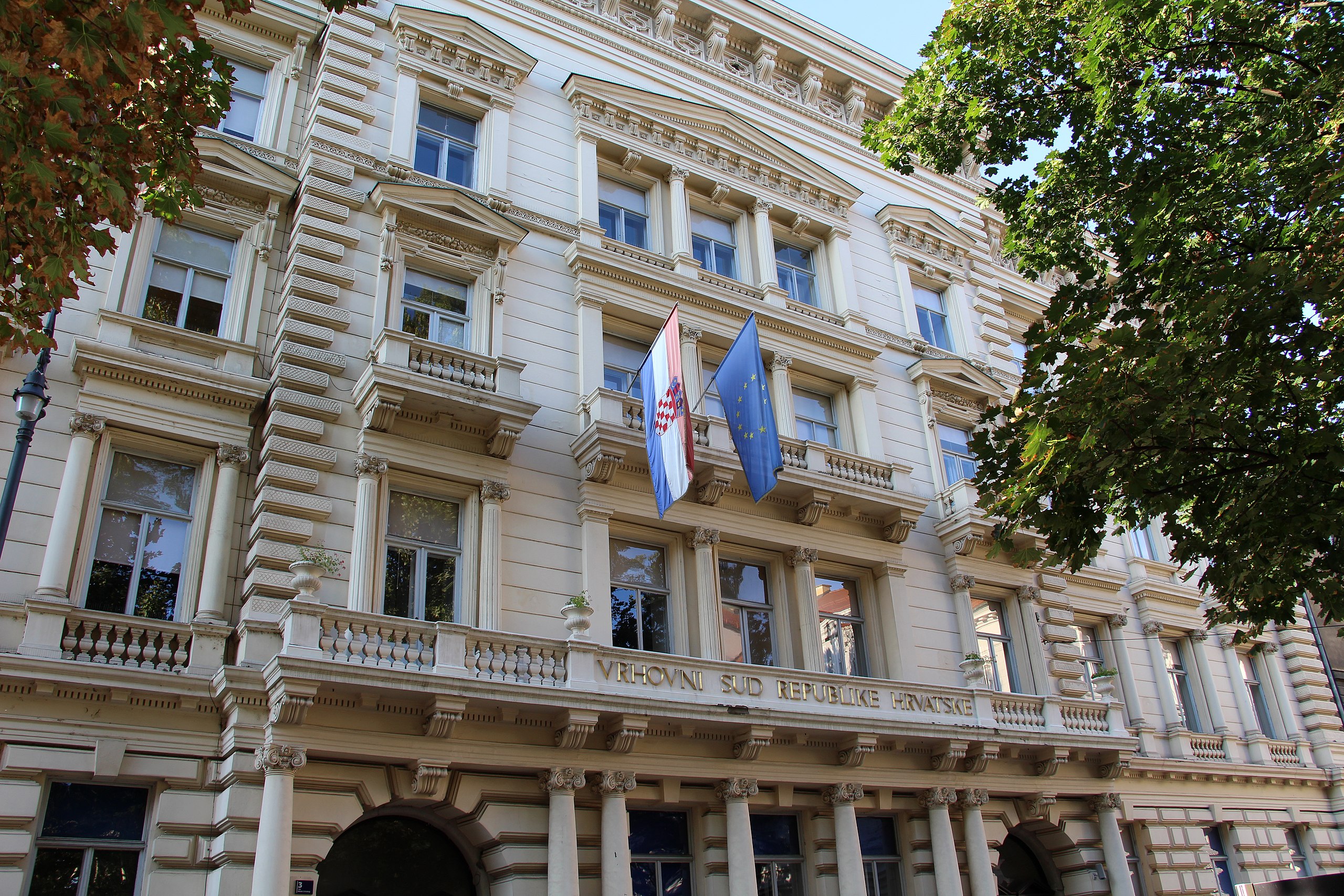
(Photo credit: Fred Romero/CC BY 2.0)
ZAGREB, 22 Jan (Hina) – Croatia’s commercial courts are at the forefront of the country’s judicial digital transformation, with key results from the Paperless Commercial Courts in Croatia project presented this week in Zagreb.
At the project’s final conference, it was underlined that commercial courts are leading the transition towards fully digital workflows, marking a significant step in modernising the justice system and improving efficiency for businesses and citizens alike.
According to the Ministry of Justice, Public Administration and Digital Transformation, the move towards digital case files is expected to shorten court proceedings, reduce administrative burdens and significantly improve overall efficiency.
Since August 2024, four pilot commercial courts, in Zagreb, Varaždin, Dubrovnik and Split, have been actively involved in testing and implementing paperless operations. Their participation has notably increased institutional readiness for a full transition away from paper-based systems.
The project followed a comprehensive three-pronged approach, examining legislative, information technology and business process requirements necessary for complete digital transformation within the commercial court system.
State Secretary Ivan Crnčec stressed that digitalisation should not be viewed as a goal in itself, but rather as a practical tool to deliver faster, more accessible and more transparent justice.
He emphasised that the reforms are designed to better serve citizens and the business community while aligning Croatia’s judicial practices with European standards.
The initiative is co-financed by the European Union through the Technical Support Instrument and implemented by the Council of Europe in cooperation with the European Commission.
Speaking at the conference, European Commission representative Kjartan Bjornsson said the project had delivered a clear methodology and roadmap for a smooth transition to fully digital case management.
He noted that the benefits would be felt not only by courts and institutions, but also by businesses and citizens who rely on an efficient and predictable legal system.
Hanne Juncher, representing the Council of Europe, described the project as a crucial step forward, highlighting its balanced approach.
She emphasised that technological progress must go hand in hand with safeguarding judicial independence, human rights and the rule of law.
The conference brought together senior representatives of the Supreme Court and the High Commercial Court, as well as presidents of commercial courts from across Croatia, reflecting broad institutional support for the digital reform of the judiciary.