
Published on
January 22, 2026
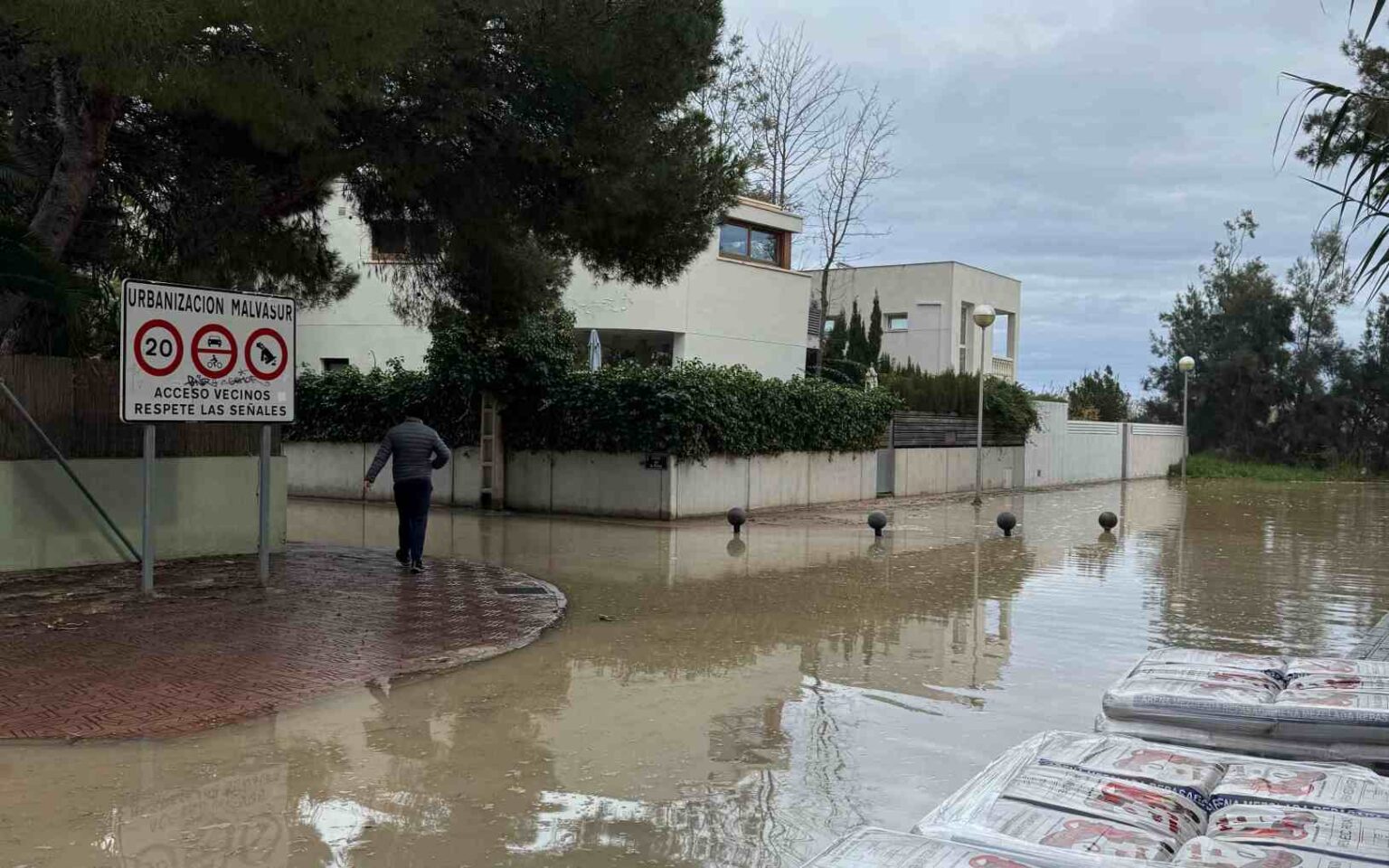
Storm Harry has unleashed powerful winds, massive storm surges, and winter weather that have severely impacted the Mediterranean region, particularly Malta, Spain, and Italy. From Malta’s coastal towns to the streets of Barcelona and southern Italy, this intense storm has created chaos, flooding streets, uprooting trees, and forcing authorities to close beaches and issue severe weather warnings. Residents woke up to flooded promenades, damaged buildings, and debris scattered across the coastline in Malta on January 21, 2026. Meanwhile, in Spain, Barcelona has faced its most critical storm surge in years, with waves up to seven meters battering its seafront and displacing large amounts of sand, which could have long-term effects on coastal erosion. In Italy, the storm caused major disruptions on the Aeolian Islands, with storm surges flooding the streets of Lipari. Storm Harry’s wrath continues to challenge authorities and citizens across southern Europe, showing the destructive power of this weather system.
This article explores the severity of Storm Harry and its impact across the Mediterranean coastline, focusing on Malta, Spain, and Italy. Read on to understand the latest developments, warnings, and recovery efforts in these vulnerable regions.
Storm Harry: A Powerful Force Across the Mediterranean
Storm Harry has dominated the weather across the Mediterranean, with severe impacts felt from Malta to the coasts of Spain and southern Italy. The storm, which has been intensifying since January 21, 2026, has caused widespread damage, and its aftermath is being closely monitored by meteorological authorities across Europe.
Malta: Coastal Towns Hit Hard by Severe Weather
In Malta, residents woke up to a devastating storm on Tuesday, January 21, with strong winds and heavy rain wreaking havoc on coastal areas. Marsascala, Sliema, and Birżebbuġa were some of the hardest-hit areas. Storm Harry brought high waves and storm surges that flooded promenades and roads, inundating local businesses and residential areas. Fallen trees and damaged buildings have added to the chaos, and the Maltese authorities are in the process of coordinating recovery efforts. Local residents have voiced concerns about the vulnerability of the coastal areas, which lack sufficient protection against the increasingly frequent and intense storms.
Advertisement
Advertisement
- Major towns affected: Marsascala, Sliema, Birżebbuġa
- Key damages: Flooded roads, fallen trees, damaged buildings
- Recovery efforts: Ongoing clean-up and infrastructure repairs
Spain: Barcelona Faces Critical Storm Surge
As Storm Harry progresses, Barcelona, the capital of Catalonia, is facing its most critical weather phase. The Barcelona City Council has activated its maximum alert level, warning residents and tourists of the impending dangers. Waves up to seven meters have struck the city’s iconic coastline, with areas like Barceloneta and Forum suffering significant damage. Police and port authorities have sealed off all access to beaches to prevent public harm from the powerful surges.
Meteorological reports confirm that wind gusts have reached 78 km/h along the Barcelona seafront, causing significant erosion to the beaches, especially Sant Sebastià and Nova Mar Bella, which lose approximately 30,000 cubic meters of sand each year. Experts from the Institut de Ciències del Mar warned that Storm Harry could accelerate the coastal erosion problem, making Barcelona’s coastline more vulnerable.
- Barcelona’s seafront: Waves up to seven meters, sand erosion
- Critical areas impacted: Barceloneta, Forum, Sant Sebastià Beach
- Key warnings: Maximum alert level, sealed-off beaches
Italy: Lipari and the Aeolian Islands Hit Hard
The storm’s effects were also felt on the Aeolian Islands in Italy, with Lipari, the largest of the islands, facing significant disruption. Strong winds and storm surges caused widespread flooding along the island’s seafront, severely impacting local businesses and residential areas. Authorities reported that wind gusts had exceeded 120 km/h in the coastal areas, causing further damage. Storm Harry has led to emergency response efforts on the islands, as well as ongoing assessment of the impact on infrastructure and tourism. Despite the challenges, the islands’ resilience in the face of such natural disasters remains a testament to their longstanding commitment to sustainable tourism and recovery.
- Aeolian Islands: Lipari heavily impacted
- Damages: Flooded streets, disruptions in local services
- Wind gusts: Exceeding 120 km/h along coastlines
Impact Beyond the Coastlines: Inland Weather and Snowfall in Madrid
While coastal areas are bearing the brunt of the storm, inland Spain is also facing harsh winter conditions. Madrid, the capital, is experiencing some of its harshest winter weather of the season. The AEMET (Spanish National Meteorological Agency) has issued a yellow warning for snowfall in the Sierra de Madrid, with up to five centimeters of snow expected at elevations above 1,200–1,300 meters. Snowfall is expected to descend to as low as 1,000 meters later in the week as another cold front follows Storm Harry. The storm’s impact on Madrid has led to disruptions in transportation and travel in surrounding regions, particularly in the Sierra and Central Spain.
- Madrid weather: Snowfall expected at 1,200–1,300 meters
- AEMET warnings: Yellow warning for snowfall
- Impacts: Disruptions in transportation, snow accumulation in mountainous areas
Key Locations Affected by Storm Harry
As Storm Harry continues to rage through southern Europe, here’s a breakdown of the major locations impacted:
- Malta: Marsascala, Sliema, Birżebbuġa
- Spain: Barcelona, Valencia, Almardà, Corinto, Malvarrosa
- Italy: Lipari (Aeolian Islands)
Marine Disruptions and Cancellations Across Mediterranean Routes
Storm Harry has also disrupted marine routes in the Mediterranean, particularly affecting Barcelona. Due to the severe weather conditions, maritime routes between Barcelona and the Balearic Islands were cancelled. This disruption has had a ripple effect on the local economy and tourism, as well as delays in transport for both residents and tourists. Valencia and other coastal areas in Spain have reported seawater entering streets, leading to flooding in low-lying areas.
- Barcelona’s maritime routes: Cancelled due to rough seas
- Marine authorities: Tightened safety measures and beach closures
- Valencia impact: Flooded streets and ongoing recovery efforts
Conclusion: The Aftermath of Storm Harry and Long-Term Recovery Plans
Storm Harry has undoubtedly left its mark on the Mediterranean region, with Malta, Spain, and Italy facing considerable challenges as they recover from the storm’s wrath. From flooded streets to damaged infrastructure, the storm has underscored the vulnerability of coastal areas to extreme weather events. As the recovery efforts continue, experts are advising that climate change could exacerbate the frequency and severity of such storms, prompting calls for more sustainable and robust infrastructure planning along vulnerable coastlines. The tourism industry in these regions will undoubtedly need to adapt to these changing environmental conditions in the coming years.
