

Published on
January 23, 2026

In 2026, Ukraine outshines many of its peers in global travel freedom, including countries like Albania, Türkiye (Turkey), Belarus, Azerbaijan and Armenia. The reason? It is not just about geopolitics or economic stature; Ukraine’s passport boasts one of the most powerful rankings in the world, based primarily on its visa‑free access to a wide range of destinations. The Henley Passport Index 2026 has ranked Ukraine significantly higher in travel freedom, offering Ukrainians 143 visa‑free destinations, compared to the much lower totals of countries like Albania, Türkiye, Belarus, Azerbaijan and Armenia. So, what’s behind this impressive success? Let’s dive into the details of what drives Ukraine’s powerful passport ranking and why it beats others like Albania, Türkiye, Belarus, Azerbaijan and Armenia.
The Power of Visa-Free Access: Ukraine’s Global Mobility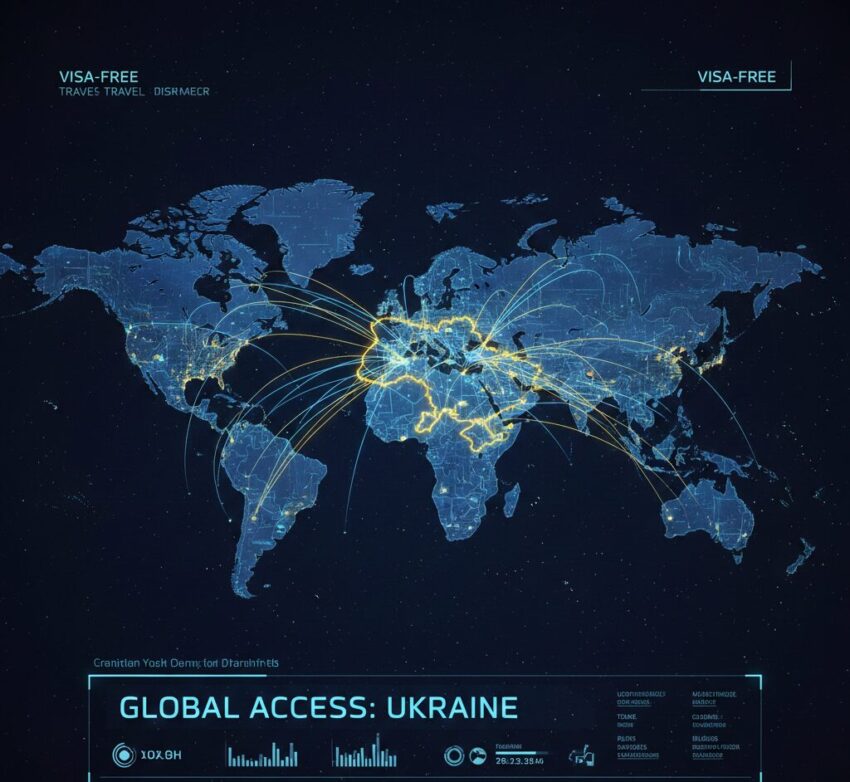
Ukraine’s passport offers an enviable 143+ destinations that its citizens can access without the hassle of visa applications. As of 2026, this places Ukraine’s passport firmly in the 30th rank globally, according to the Henley Passport Index 2026. The key advantage Ukraine holds is its access to major global travel regions, including the European Union’s Schengen zone. Ukrainians can travel freely to the EU’s 27 Schengen countries without applying for a visa, allowing them more opportunities for tourism, business and education across Europe. This broad access significantly boosts Ukraine’s ranking compared to Albania, Türkiye, Belarus, Azerbaijan and Armenia, where their passport holders face more visa restrictions.
Comparing Ukraine with Albania: Why Ukraine Stands Tall
Albania has a relatively strong passport, with visa‑free access to 123 countries. This puts it far below Ukraine’s score, as Ukraine’s visa‑free destinations exceed Albania’s by a large margin. Albania enjoys unrestricted travel within the European Union due to its access to Schengen area; however, Albanian citizens face more visa requirements when traveling to other parts of the world. For instance, while Albania’s passport has decent access in Europe, it lags when compared to Ukraine’s access to a greater variety of global regions. Ukraine’s ability to secure more agreements for visa‑free travel places it in a higher passport rank than Albania, thanks to the combination of European Union access and numerous bilateral agreements worldwide.
The Role of Schengen Area Access in Ukraine’s Success
One of Ukraine’s most significant passport advantages is its visa‑free access to the Schengen Zone. The European Union Schengen zone allows Ukrainian passport holders to travel across 27 countries without needing to apply for a visa. This Schengen visa‑free agreement has become a massive boon for Ukraine’s global mobility, especially compared to countries like Azerbaijan, Armenia and Belarus, which don’t benefit from such comprehensive arrangements. For Ukrainians, the opportunity to visit leading EU nations like France, Germany, Spain and Italy without the usual visa hassle is a clear advantage. As Ukraine has entered this free movement area, it opens doors to opportunities, which Albania and others can only dream of, positioning Ukraine well above them in global travel freedom.
Advertisement
Advertisement
Why Türkiye Falls Behind in the Global Passport Race
Although Türkiye (Turkey) enjoys strong regional access and is a key player in the Middle East and Europe, it lags behind Ukraine in passport ranking due to visa‑free restrictions in several global regions. Türkiye’s passport grants access to 181 countries, but it falls short when it comes to European travel. While Turkish citizens have access to many countries in the Middle East and Eastern Europe, the lack of Schengen Zone membership places it behind Ukraine’s visa‑free access to all 27 Schengen states. Furthermore, e‑visas or visa on arrival agreements with several countries do not count toward the Henley Passport Index rankings, as these require additional steps before travel. With Ukraine’s higher score of 143 destinations, it surpasses Türkiye, whose passport holders have to deal with more stringent visa procedures for key travel destinations.
Belarus and Azerbaijan: Limited Global Access
When comparing Ukraine with Belarus and Azerbaijan, it’s clear that the latter two countries have more regional access but fall short of Ukraine’s global mobility. Belarus’ passport, while offering access to some CIS (Commonwealth of Independent States) countries and a few European nations, does not extend to a large number of destinations, especially Western countries. Belarus citizens face visa requirements for many key travel destinations outside the region. In addition, Azerbaijan has bilateral agreements with a few Eastern European and Asian nations, but it does not boast the same range of visa‑free access to the West as Ukraine. Both of these countries have limited global reach in comparison and their visa‑free access scores are substantially lower than Ukraine’s. This lack of robust international agreements explains why they are ranked much lower than Ukraine on the Henley Passport Index.
The Growing Influence of Armenia’s Passport: A Region with Fewer Opportunities
Like Azerbaijan and Belarus, Armenia also enjoys regional freedom but lacks broader international access. Armenia’s passport holders can travel visa‑free to fewer than 70 destinations, far behind Ukraine’s 143+ destinations. While Armenia has agreements with a few post-Soviet nations and select global powers, its passport still lags in terms of Western access. In 2026, Armenia’s passport score places it behind Ukraine, mainly due to the absence of multilateral access agreements like those enjoyed by Ukraine with the EU. This lack of Schengen access and the fewer global agreements contributes directly to Armenia’s lower position in global passport rankings.
How Global Agreements Influence Passport Strength
The Henley Passport Index measures passport strength based on visa‑free travel access. Ukraine’s visa agreements with Western Europe, including the Schengen Zone, provide it with unparalleled global access compared to countries like Türkiye, Belarus, Azerbaijan and Armenia. Multilateral agreements that allow free movement between countries and regions such as the European Union, the Commonwealth of Independent States (CIS) and the United States significantly contribute to Ukraine’s high ranking. Ukraine’s ability to enter numerous countries without visa restrictions far outpaces many of its regional counterparts, leading to an overall higher passport ranking on the Henley Index.
What This Means for Travel and International Opportunities
Ukraine’s stronger passport ranking means better travel opportunities for its citizens. With visa‑free access to major economic regions like the European Union and North America, Ukrainians are at an advantage when it comes to global mobility. As travel opportunities increase, so do options for business, education and tourism. Countries like Albania, Türkiye and Belarus may offer regional advantages, but the global reach and ease of travel that Ukraine offers to its citizens gives it a distinct edge in this competitive passport race. For Ukrainians, it means more opportunities to travel, invest and engage globally without facing travel restrictions that their neighbours might struggle with.
The Role of Bilateral Agreements in Ukraine’s Victory
Apart from Schengen access, Ukraine has continued to negotiate bilateral agreements with several countries worldwide. These agreements, which grant Ukrainians unrestricted entry or visa on arrival, have bolstered Ukraine’s position on the Henley Passport Index. These agreements are essential in expanding Ukraine’s travel freedom. Countries like Albania, Azerbaijan and Armenia may have limited bilateral agreements, but Ukraine continues to expand its international reach, placing it well ahead in global travel freedom rankings.
Conclusion
In 2026, Ukraine triumphs over Albania, Türkiye, Belarus, Azerbaijan and Armenia in global travel freedom. The surprising success lies not only in Ukraine’s Schengen Zone access but also in its expansive bilateral agreements across regions like Europe and beyond. By securing visa‑free access to more countries than its regional counterparts, Ukraine’s passport has secured a higher rank on the Henley Passport Index. It stands as a testament to Ukraine’s growing global influence, better international relations and increasing travel opportunities for its citizens.
The Henley Passport Index 2026 has brought to light how vital visa‑free travel agreements are in shaping a country’s international standing and access. Ukraine’s growing international partnerships have made it a clear leader in passport strength, leaving Albania, Türkiye, Belarus, Azerbaijan and Armenia behind in the race for global travel freedom.
