
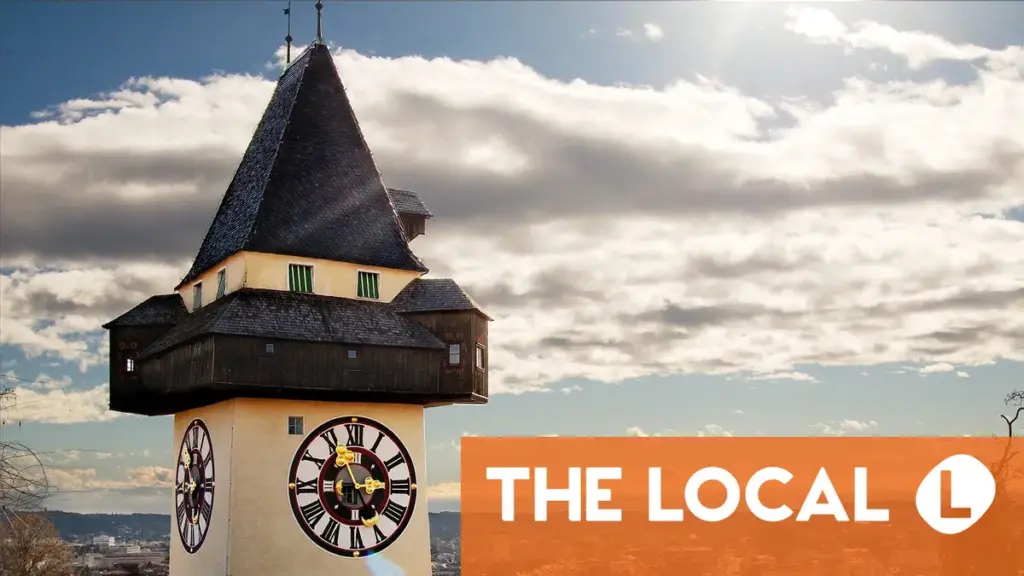
Austria’s second-largest city is much more than a shadow of Vienna, with its vibrant and diverse life, writes New Zealander and Graz resident Frank Eggleton.
Graz, the capital of the Styria province, is Austria’s second-largest city, with a population of around 306,000, but it doesn’t feel like a “second city”.
Thanks to its 60,000 university students, Graz has a youthful, energetic rhythm, and if you’re arriving as an Ausländer, you won’t be alone: roughly a third of the population has a foreign background.
While it’s not as visibly diverse as Vienna, it more than holds its own.
Some days, Graz feels deeply, unmistakably Austrian; other days, it feels strikingly international. The mood can change with the season or with whatever unexpected spectacle happens to be unfolding in Hauptplatz.
One moment you’re walking tree-lined paths that wouldn’t feel out of place in New Zealand, the next medieval rooftops surround you… until, suddenly, you’re standing in front of a giant metallic spaceship.
READ ALSO: 9 exclamations in German that will make you sound like a local
The local German dialect
Styrian German has a distinctly rural flavour, even in a bigger city like Graz. Compared with Vienna, the city feels more grounded and informal, and the dialect reflects that. Local words are shortened, softened, and often end in a sound that feels like “-il”.
Many newcomers learn Austrian Hochdeutsch in classes, only to step into real conversations and feel immediately thrown off.
Instead of bisschen, you’ll hear Bisserl – sounding like “Biss-il”. Asked “Sprechen Sie Deutsch?”, you might reply “Ein Bisserl” – “a little”. Häuschen becomes Häusl, sounding like “Häus-il”. It does take time, and it shocks newcomers who learned (often Germany’s) Hochdeutsch before moving to Austria, but your ear will get used to it.
Advertisement
Meeting the locals is not a major challenge
Meeting locals in Graz is easier than many newcomers expect, and English is widely spoken.
You’ll often hear people say, “My English isn’t very good,” only to discover it’s better than some of your colleagues back home.
Starting a conversation in German helps – even just a few words. Locals quickly recognise when German isn’t your first language and will often ask where you’re from, sparking a new conversation. Grazers tend to be curious and open toward newcomers, especially those who make an effort to settle in.
Like anywhere, familiarity matters.
Finding a café, bar, gallery, or community space you return to regularly makes a big difference. When people start recognising your face, conversations follow naturally.
When I first arrived, I sought out spaces connected to my interests: music, writing, walking, which helped me meet both locals and internationals. Even on the city’s many walking trails, people greet one another with a friendly “Servus” or “Grüß Gott”. It’s a small gesture, but it captures something essential about Graz, which is the polite (and understated) friendliness.
Advertisement
READ ALSO: Vienna vs Graz: Which city is better for foreign residents?
The Austrian (but also very Styrian) Stammtisch culture
One of the easiest ways to meet people in Graz is through Stammtisch culture – informal, recurring meetups with no pressure and no RSVP.
The English Stammtisch, held every Thursday from 8 pm at Herzl Weinstube, is a particularly welcoming example. It’s open to everyone: native speakers, fluent speakers, and those who are very rusty but keen to try.
My first visit was nerve-racking.
I didn’t know anyone and had no idea what to expect, but that anxiety disappeared quickly. You knew that people there have been in the same position before, and newcomers are warmly welcomed and appreciated.
In true Stammtisch fashion, groups sit around large tables, people shift seats, and the conversations overlap. There’s no agenda or strict topics, just real people sharing experiences, stories, and slowly building familiarity. Many people return week after week, and friendships form naturally.
Advertisement
You can find more details via the English Speakers in Graz Facebook group
You can also find a lot going on within the international community in Graz. Spaces like BASE Graz, alongside groups such as English Speakers in Styria, run clubs, language exchanges, and creative meetups, and make it easier to meet people beyond work or study.
BASE Graz, in particular, functions as a practical meeting point for newcomers and long-term residents, hosting regular events and providing a shared space where internationals and locals mix without much formality.
One of the main things about Graz is that the city is small enough to feel familiar, but large enough that you’re not confined to a single social circle.
READ ALSO: Does Graz offer the best quality of life among Austria’s cities?
And we have great nightlife too
Advertisement
Nightlife in Graz plays an important social role, especially if you’re interested in music and culture.
Venues like Kombüse in Stadtpark host indie DJs most nights, with everything from reggae to indie rock.
Café Wolf offers free live music throughout the week, while spots like Kraftner and venues like Forum Stadtpark lean more toward the experimental. These spaces often attract people who are open to conversation and shared interests.
Add pub quizzes, board-game cafés, and informal events, and it becomes surprisingly easy to go out alone, join conversations, and meet new people – something many foreigners in Vienna claim is impossible to happen in the Austrian capital.
READ ALSO: Discover Austria: How to make the most of 24 hours in Graz
What about the ‘typical’ unfriendliness of Austria?
Austria has a reputation for being reserved, even unfriendly – but that’s not the experience people have in Graz. Locals aren’t cold (ok, they may be a bit cautious with strangers, but are relatively quick to warm up)
Advertisement
To truly enjoy Graz, make friends and integrate, all it takes is some curiosity and consistency – showing up is more effective than people would imagine.
If you return to the same places, make a little effort with the language, and stay open, the city quickly opens up again and becomes more than just your temporary stay. It truly becomes home.
Story written by Frank Eggleton.