
Published on
January 24, 2026
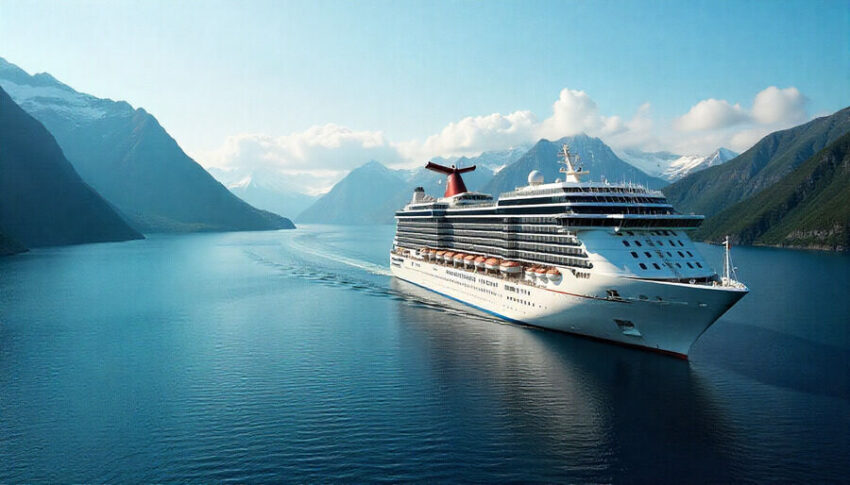
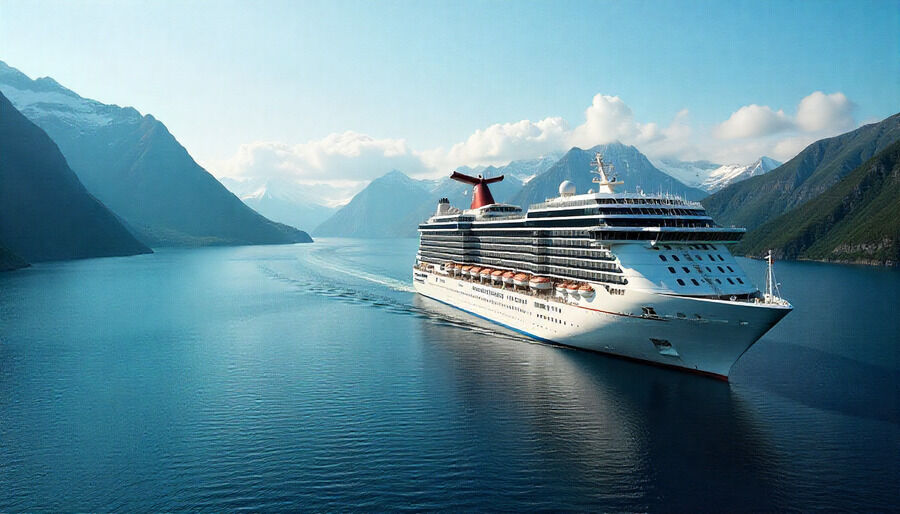
In 2025, Norway’s cruise tourism industry reached new heights, with more than 3,900 cruise ship arrivals and an impressive 1.6 million individual passengers visiting the country’s ports. When factoring in repeat port calls, the total number of cruise passenger movements reached a record-breaking 6.3 million. This surge in cruise traffic has solidified Norway’s position as one of the most desirable destinations for travelers, but it has also sparked growing concerns about overtourism and the environmental impact of such a significant influx of visitors.
Steady Growth in Cruise Traffic Since 2016
Excluding the pandemic years of 2020 and 2021, Norway has seen a steady and substantial increase in cruise traffic since 2016. The 2025 figures reflect more than double the cruise activity compared to 2016, a clear sign of the country’s sustained popularity among cruise enthusiasts. However, it’s important to recognize that the total of 6.3 million cruise movements includes passengers who visited multiple ports on the same journey, meaning the number of unique cruise visitors in 2025 surpassed 1.6 million.
Despite the remarkable growth, many passengers embarked on their cruises from outside Norway, with only a portion of the total passengers starting or ending their voyages at Norwegian ports. This highlights Norway’s strong connection to the broader international cruise network, with travelers eager to experience its renowned natural beauty.
The Leading Markets: Germany, the UK, and the United States
Norway’s cruise tourism continues to draw large numbers of travelers from a handful of key markets. German tourists are the largest group, contributing around 753,000 passengers in 2025. British passengers follow with 337,000, while American tourists make up 185,000 of the total number. This reflects Norway’s dominant role in the Northern European cruise market, especially for itineraries focused on the country’s breathtaking fjords. Additionally, the appeal of longer transatlantic and Arctic cruises has helped attract a wide range of international travelers.
Advertisement
Advertisement
Advertisement
Advertisement
This strong presence from Germany, the UK, and the US demonstrates Norway’s appeal not only within Europe but also across the Atlantic, where travelers are drawn to explore the country’s spectacular landscapes from the comfort of a cruise.
Bergen Emerges as the Unrivaled Cruise Hub
Bergen remains the epicenter of Norway’s cruise tourism, welcoming over 680,000 passengers in 2025. This marks a notable increase of 92,000 passengers from the previous year, underscoring the city’s continuing importance as a top cruise destination. Bergen’s success is due to its unique combination of historical and cultural appeal, coupled with its strategic position close to the majestic Norwegian fjords. The city’s compact size and the ability to accommodate multiple ships in a single day make it an ideal location for cruise lines looking to offer a varied and accessible itinerary.
Advertisement
Advertisement
In addition to its historical attractions, Bergen’s modern infrastructure and its capacity to handle a large number of cruise ship visits ensure its place as the busiest port in Norway. The city hosted 346 ship calls in 2025, more than any other port in the country, cementing its role as the primary gateway for cruise travelers to Norway.
Other Norwegian cities, including Stavanger and Ålesund, have also experienced steady growth in cruise passenger numbers. Stavanger welcomed 638,000 passengers in 2025, while Ålesund recorded 594,000. These cities are becoming increasingly popular among travelers seeking less congested ports, especially during peak travel periods.
Advertisement
Advertisement
Norway Expands Its Cruise Offerings and Destinations
Norwegian cruise tourism has evolved to offer a wider range of experiences. While fjord cruises remain the most popular, there is growing interest in voyages that venture into the Arctic Circle, offering passengers the opportunity to witness the northern lights in winter and the midnight sun in summer. To meet this demand, cruise lines have expanded their itineraries, offering year-round cruises rather than only seasonal sailings.
Several new destinations along Norway’s coastline have also gained significant attention. Haugesund, for instance, has seen a dramatic increase in cruise traffic, rising from just 21,000 passengers in 2016 to 401,000 in 2025. Similarly, Nordfjordeid has experienced a surge in popularity, with passenger numbers growing from zero to 228,000 over the same period. These smaller, lesser-known destinations offer travelers the chance to explore more intimate and peaceful corners of Norway, away from the crowds of the larger ports.
Growing Local Opposition to Cruise Tourism
While the surge in cruise arrivals is positive for the country’s economy, it has also raised significant concerns among local communities, especially in the fjord regions. Critics point to the strain on local infrastructure, environmental degradation, and the visual impact of large cruise ships in picturesque and sensitive areas. As a result, local protests and debates over the future of cruise tourism have become more vocal, particularly in cities like Bergen and Stavanger.
The debate has been especially heated around Norway’s UNESCO World Heritage fjords, such as Geirangerfjord and Nærøyfjord. Initially, the Norwegian government planned to implement a ban on conventional cruise ships in these areas by 2026. However, the ban has been delayed to allow for a transition to low- and zero-emission ships. This delay has sparked criticism from environmental groups, who argue that immediate action is necessary to protect the environment, while cruise operators contend that the transition requires more time to integrate the new eco-friendly vessels.
Charting a Sustainable Future for Norwegian Cruise Tourism
As Norway looks to the future of its cruise tourism industry, finding a balance between growth and sustainability will be crucial. While the country continues to be one of the world’s most popular cruise destinations, there is increasing pressure to reduce the environmental impact of mass tourism. This will require the cruise industry to invest in sustainable technologies, such as low-emission ships and shore power, to minimize the environmental footprint of each ship.
Moreover, greater cooperation between cruise lines, local communities, and government authorities will be essential in ensuring that the economic benefits of cruise tourism are equitably distributed while safeguarding Norway’s natural resources. By focusing on responsible tourism practices and adopting innovative technologies, Norway can continue to thrive as a leading cruise destination while protecting its pristine landscapes for future generations.
In conclusion, while Norway’s cruise tourism industry continues to break records, the country must address the growing concerns around environmental sustainability and overtourism. By embracing change and fostering collaboration across all sectors, Norway can maintain its status as a top cruise destination while ensuring that its natural beauty remains unspoiled for years to come.
