
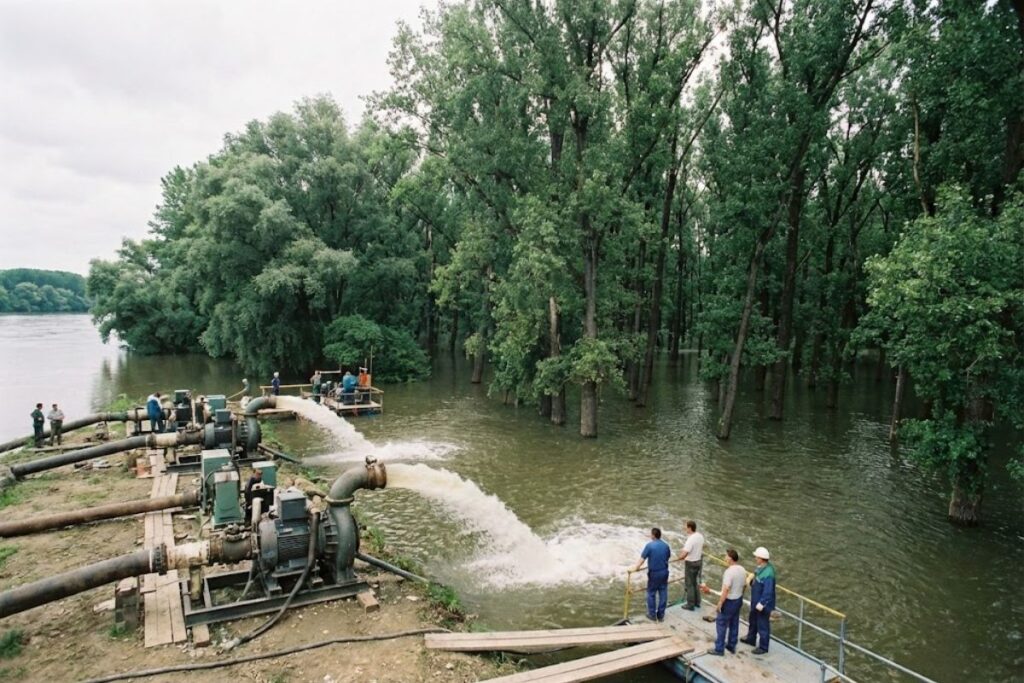
A pilot project to flood an ash forest in Bereg uses water from the Tisza River, spreading a shallow layer over 30 hectares and retaining 80 cubic meters, seeking to recharge aquifers, protect trees, and increase regional climate resilience in the face of persistent drought and profound hydrological changes.
Hungary has implemented an unusual measure to combat drought. flood the forest In the Bereg region of eastern Italy, a project is underway to create controlled surface flooding by pumping water from the Tisza River into ash trees. The initiative aims to restore natural landscape functions, strengthen the soil, and help replenish groundwater levels.
The pilot project is being conducted with the participation of WWF Hungary and water authorities, as part of a larger climate adaptation effort. The strategy is based on the principle that… Controlled floods can be allies of nature., supporting ecosystems, reducing water stress and preparing the region for a hotter and drier future.
Why flooding the forest has become a strategy against drought.
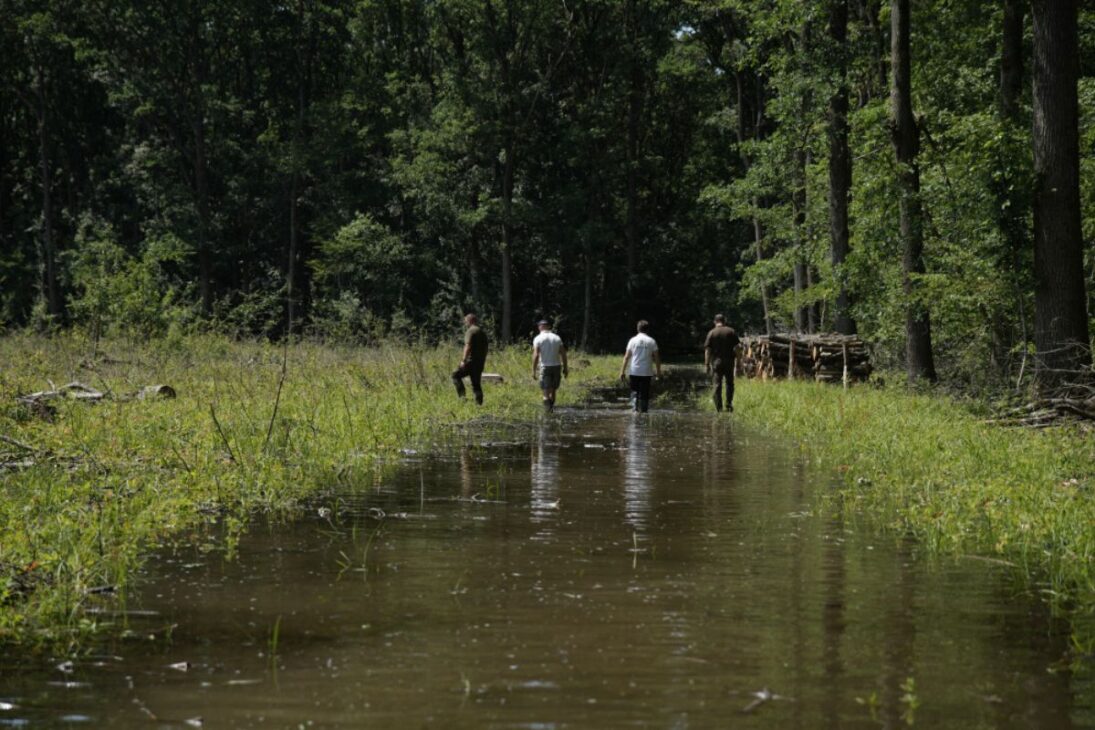
Instead of treating every flood as a problem, experts involved argue that Surface and temporary flooding can have an essential ecological function..
See also other features
-
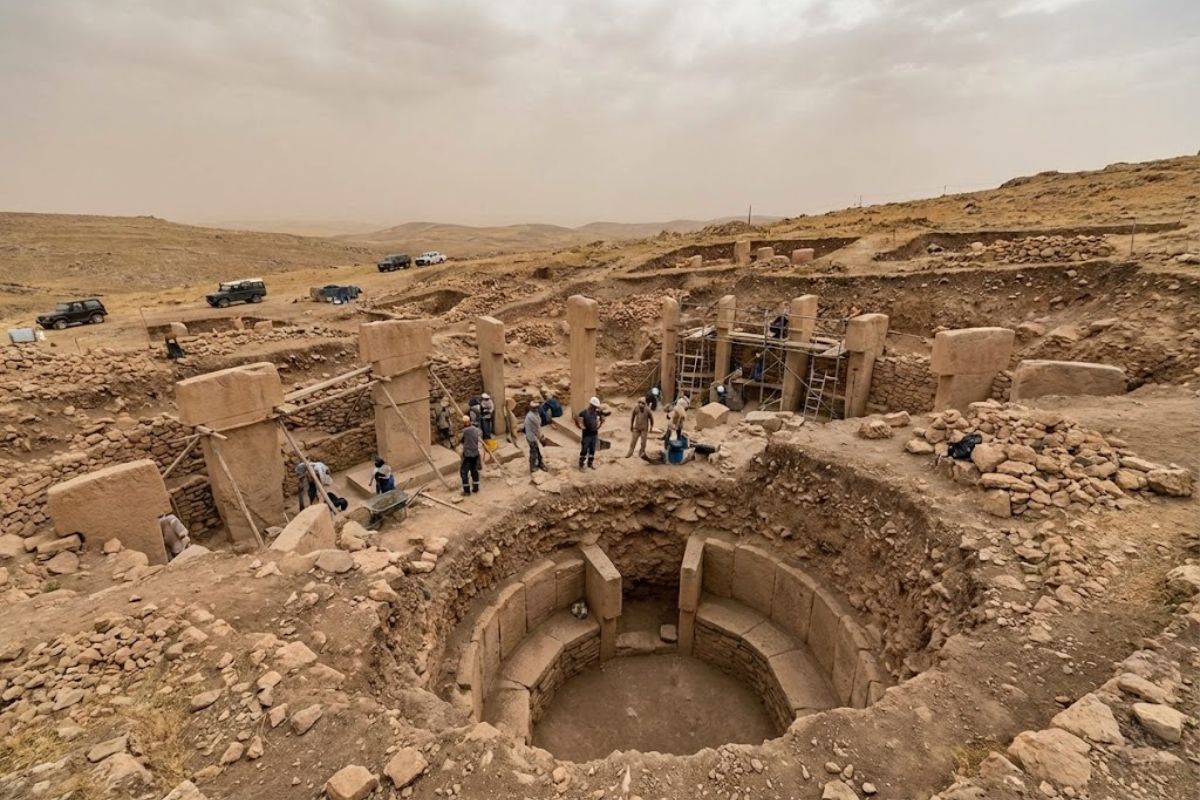
Karahan Tepe turned archaeology upside down: 12 years ago, before agriculture and writing, people were already erecting giant T-shaped pillars, digging underground chambers, and coordinating various sites in Anatolia, later burying everything on purpose in total silence.

-
Japan has created an electric spoon that tricks the palate, making any salty food taste good without using salt. Costing up to R$900, it uses an electric field on sodium ions, is already on sale, and promises to change diets, health, and eating habits globally.

-
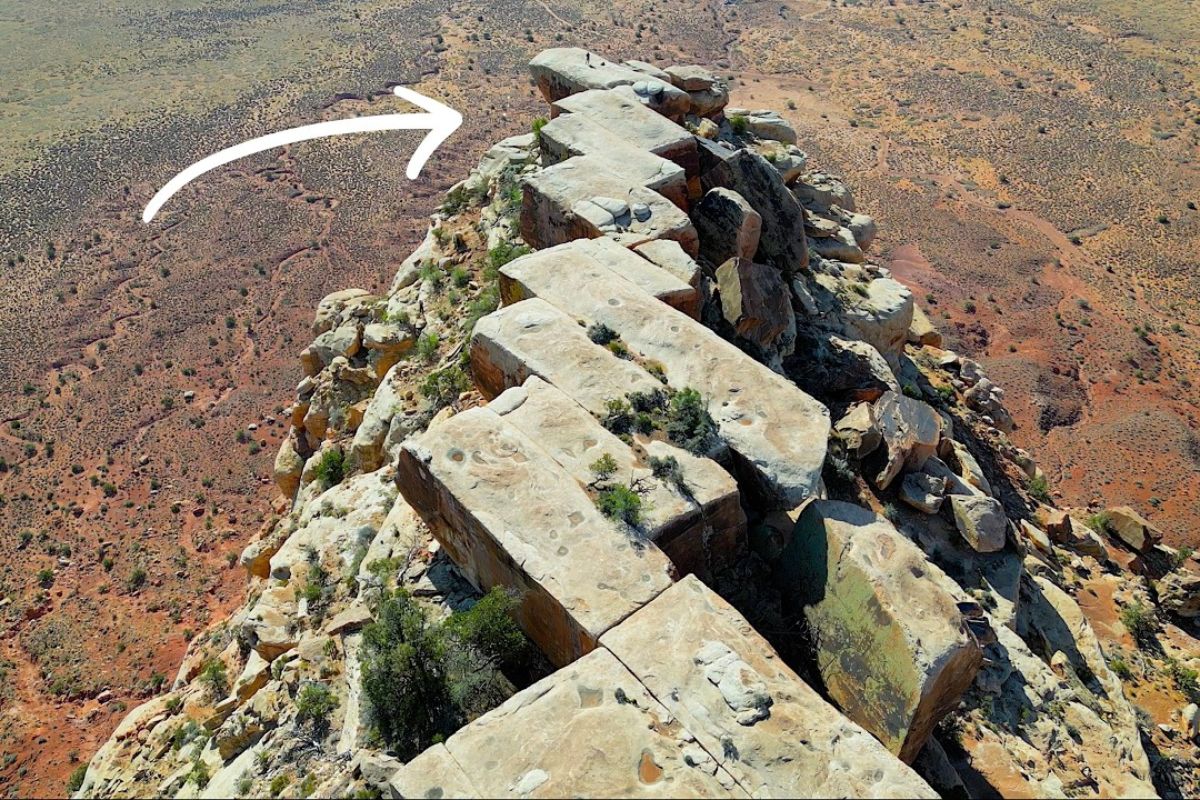
A rock formation so impossible it looks like a Google Earth glitch emerges from a real cliff face, displaying nearly cubic blocks 20 meters in diameter, weighing more than a Boeing 747, measured on-site, intriguing at first glance, and explained by documented extreme natural geology.
-
He thought he was untouchable and gambled big on luxury: businessman ignores urban planning regulations, builds a multi-million dollar mega-mansion in a residential neighborhood and ends up forced to demolish everything in the United Kingdom.
In landscapes where natural flooding has been reduced by human intervention, the soil loses moisture, groundwater levels drop, and forests decline.
Ao flood the forest In a planned way, the water infiltrates slowly, nourishes the soil, recharges aquifers, and creates more stable conditions for trees and wildlife.
This approach also helps to mitigate extreme weather events, making the environment less vulnerable to prolonged periods of drought.
The drought scenario that led to the intervention.
the decision of flood the forest The drought in Bereg occurs after a period of severe drought that affected almost all of Hungary.
The government declared a state of emergency due to the lack of rain and authorized immediate water retention measures, allocating approximately 12 million euros to address the water shortage.
Authorities highlighted that the drought is no longer an isolated event and has become a significant factor. long-term structural challenge, requiring coordinated agricultural, ecological, social and economic responses.
Water retention in the landscape emerges as one of the priority areas of this adaptation.
How the Tisza River water was carried to the forest
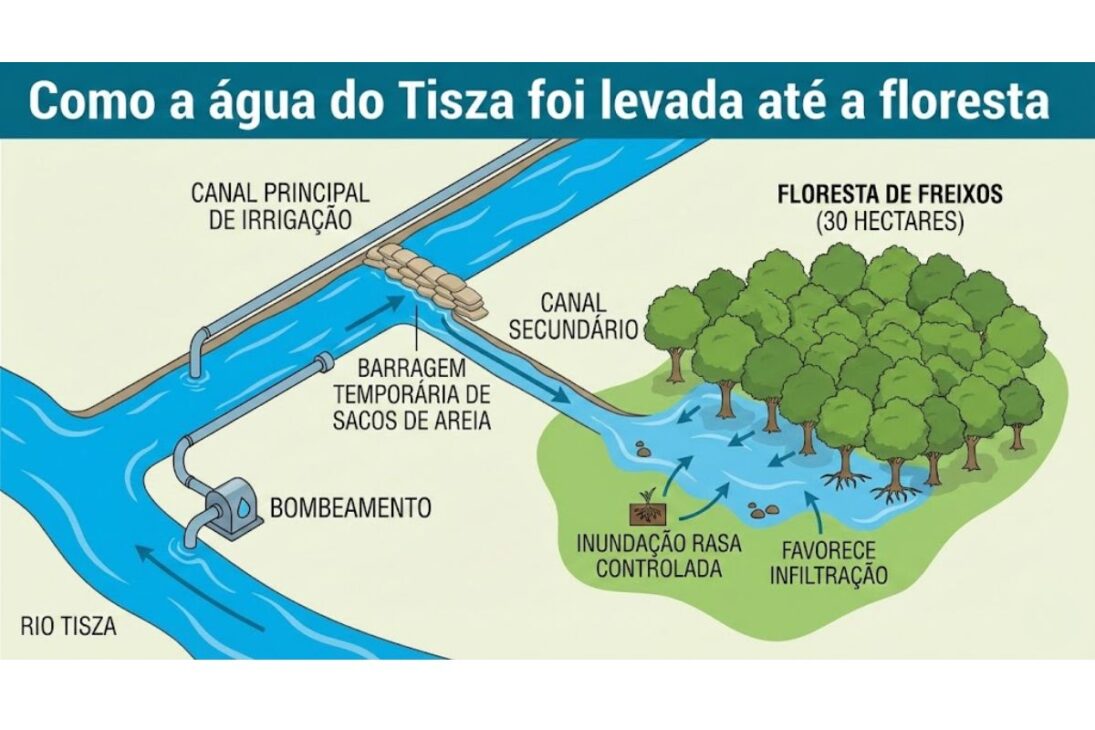
To flood the forest From an area of approximately 30 hectares of ash trees, water was pumped from the Tisza River to a main irrigation canal.
From there, a temporary dam made of sandbags diverted the flow to an existing secondary channel.
This canal carried the water to the forested area, where it could spread in a controlled manner.
The process did not create a deep floodplain, but rather a shallow flood, designed to promote infiltration and avoid causing structural damage to the ecosystem.
Retained volume and depth of the flood
According to the authorities involved, the action for flood the forest Bereg holds approximately 80 cubic meters of water.
The average depth of the water layer varies between 20 and 30 centimeters, enough to saturate the soil and benefit the roots without turning the area into a permanent lake.
This temporary flooding helps to protect trees, stimulate growth and create new habitats for animal and plant species.
The goal is to reinforce the vitality of the forest in a context of increasing water scarcity.
Replenishment of meanders and regional effect
Besides flood the forest Specifically, the plan included damming six abandoned meanders of the Tisza River.
These areas received more than 1,5 million cubic meters of water, amplifying the impact of water retention measures on the regional landscape.
This set of actions aims to make Bereg more resilient to climate change by increasing the territory’s natural capacity to store water during critical periods.
Pilot project and long-term vision
Those responsible for the project emphasize that flood the forest In this context, it does not mean conventional irrigation, but rather an attempt to gradually raise groundwater levels.
The operation is considered a pilot program, testing a solution that could be applied more broadly in the future.
To make water retention a permanent practice, it will be necessary to invest in supporting infrastructure, improve roads, obtain consent from neighboring landowners, and align forest management with water objectives.
The project connects to broader programs for drought protection and restoring water to the landscape.
Authorities indicate that Local communities and farmers view the water retention measures positively., because they reduce risks associated with prolonged water scarcity.
Ao flood the forest In a controlled manner, the country is testing a model transition, moving away from a logic focused solely on draining water to one that values the natural capacity of the landscape to store it.
A change of mindset about floods
Bereg’s experiment shows that not all flooding represents a disaster.
Well-planned floods can function as a tool for ecological restoration., strengthening forests, replenishing aquifers and expanding biodiversity.
Faced with increasingly frequent droughts, the decision to flood the forest It ceases to be an exception and becomes seen as… climate adaptation strategy based on the natural dynamics of water itself.
Do you think using controlled flooding for flood the forest Could this become a common solution against drought in other regions of the world?