
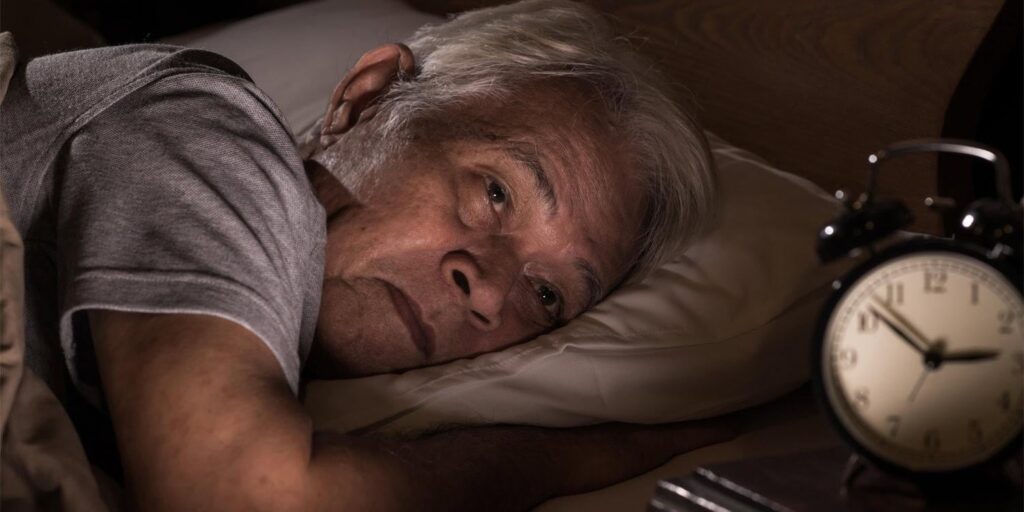
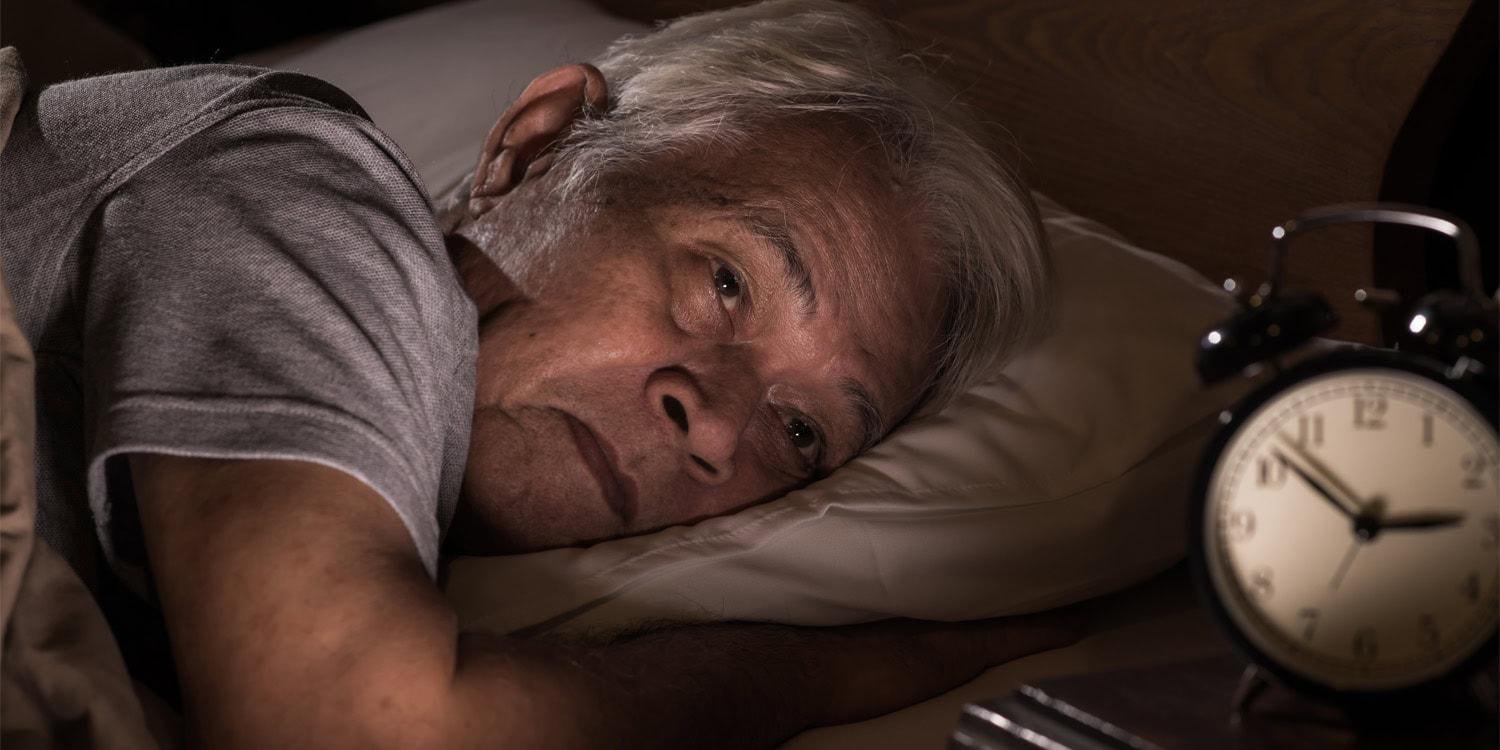
Severe sleep problems is associated with fewer years of healthy brain function, and may reduce total life expectancy by several years. A 65-year-old man with severe sleep issues could expect to live 2.4 fewer years. Impacts on life expectancy appeared less severe for women than for men.
Severe sleep problems is associated with fewer years of healthy brain function
11 Comments
**Severe sleep problems is associated with fewer years of healthy brain function**
A new analysis of data from older Americans indicates that chronic sleep disturbances are associated with a shorter lifespan and fewer years spent with a healthy brain. The research suggests that **severe sleep problems may reduce total life expectancy by several years**, with the specific impacts differing between men and women. These findings were published recently in the journal Research on Aging.
For men, the connection between severe sleep problems and reduced longevity was distinct. **The data showed that a 65-year-old man with severe sleep issues could expect to live approximately 2.4 fewer years than a counterpart with no sleep issues**. This reduction in life expectancy was statistically significant.
The analysis revealed that sleep issues are widespread among older adults. Over 60 percent of both men and women fell into the “mild” sleep problem category. Women were more likely than men to report issues with falling asleep or staying asleep. Despite reporting more frequent problems, **the impact of these disturbances on life expectancy appeared less severe for women than for men.**
The data indicated a potential threshold effect for women that was not present for men. Women with “mild” sleep problems actually had a slightly higher life expectancy than women who reported “never or rarely” having sleep problems. While this specific difference was not statistically significant, it suggests that minor sleep disturbances might not be as detrimental to women’s longevity as they are to men’s.
For those interested, here’s the link to the peer reviewed journal article:
https://journals.sagepub.com/doi/10.1177/01640275251394993
Well that’s me fucked then
Might this have something to do with practice? I seriously don’t know one woman that has kids that doesn’t claim to have a sleep disorder. If your body is used to the issue it might be able to compensate better than when the issue hits you later in life.
when you think they are actually awake more, 2,4 years is not significant even maybe more than a sleeping person.
Another piece of great news for sufferers of treatment-resistant chronic insomnia.
Does sleep apnea count as a sleep disorder in this context?
“I’ll sleep when I’m dead!!”
*dies*
I was expecting fifteen fewer. That seems fine tbh.
They’re literally awake the same amount of time therefore you realize that
The 2.4 years is nothing in itself. The big problem is of course the severe sleep problems themselves, which are quite significant as they reduce your life quality in to the end. It would affect all aspects your life not just the total life span.
Not as bad as I thought