
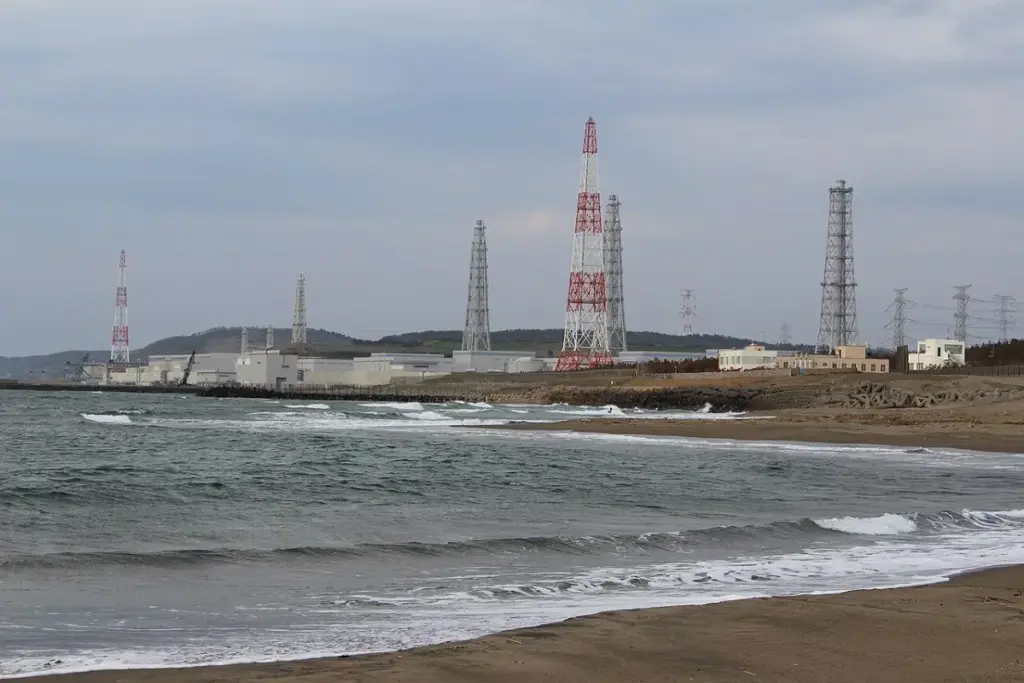
The Japanese electric company TEPCO halted reactor number 6 of the Kashiwazaki-Kariwa nuclear power plant, located in Niigata Prefecture, after an alarm was detected in the monitoring system of the control rods.
The incident occurred during a technical operation related to the removal of these rods, essential for regulating the reactor’s power. For this reason, the maneuver was immediately suspended.
Subsequently, the company attempted to replace electrical components of the control panel. However, the problem persisted, leading to a more in-depth technical investigation.
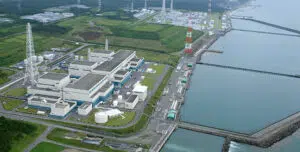 Japan halts the world’s largest nuclear power plant just one day after reactivating it. Photo: Emol.
Operational safety and environmental monitoring
The company assured that the plant remains in stable conditions. They also reported that no radioactive emissions were recorded outside.
These types of preventive shutdowns are part of the reinforced safety protocols that have been in place in Japan since the 2011 nuclear accident. Therefore, any anomaly triggers automatic procedures.
In this context, the episode revives the social debate about nuclear safety, especially in regions that have coexisted for years with large-scale facilities.
A restart marked by the memory of Fukushima
The shutdown occurred just one day after TEPCO reactivated the plant, fifteen years after its closure following the Fukushima disaster, also managed by the company.
Kashiwazaki-Kariwa has seven reactors, although the Japanese nuclear regulator only authorized the activation of reactors 6 and 7. Both had passed technical evaluations in 2017.
However, the plant remained inactive for years due to deficiencies in the safety systems against possible external attacks, a key aspect in current regulations.
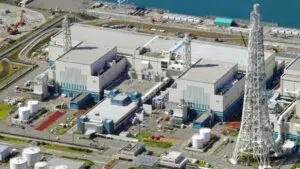 Japan halts the world’s largest nuclear power plant just one day after reactivating it. Photo: Nippon.com.
The role of nuclear power plants in Japan
Japan considers nuclear energy a strategic tool to reduce emissions and ensure energy stability. After the massive shutdown of reactors in 2011, the country increased its reliance on fossil fuels.
Consequently, the gradual return of nuclear plants aims to reduce carbon emissions and decrease the import of gas and oil. This strategy aligns with the national climate commitments.
However, the process advances with strong public and regulatory oversight, where social acceptance and environmental safety are central conditions for each reactivation.
A key piece of Japan’s electrical system
With a capacity exceeding 8,000 megawatts, Kashiwazaki-Kariwa is the largest nuclear power plant in the world and a pillar of TEPCO’s energy plan.
Furthermore, its operation is crucial for the strategy promoted by the Japanese Executive of Sanae Takaichi, which advocates for nuclear energy as a complement to renewables.
Thus, between the climate urgency and the memory of risk, Japan is advancing in a complex energy transition, where each technical decision has long-term environmental, social, and political implications.