
The T-72 is a tank that has been in service with armies around the world for over 50 years now. Despite its age, the tank remains a staple in many tank forces, and continuous upgrades have kept the platform relevant to this day.
The Russian Army currently fields the T-72B3M, one of the newest and most advanced variants of the tank. Meanwhile, the US is currently making progress with its M1E3 project, which is expected to replace older variants of the M1 Abrams. Although the E3 is still a way off from completion, the latest news gives us a sense of what to expect from the next tank in the Abrams lineage.
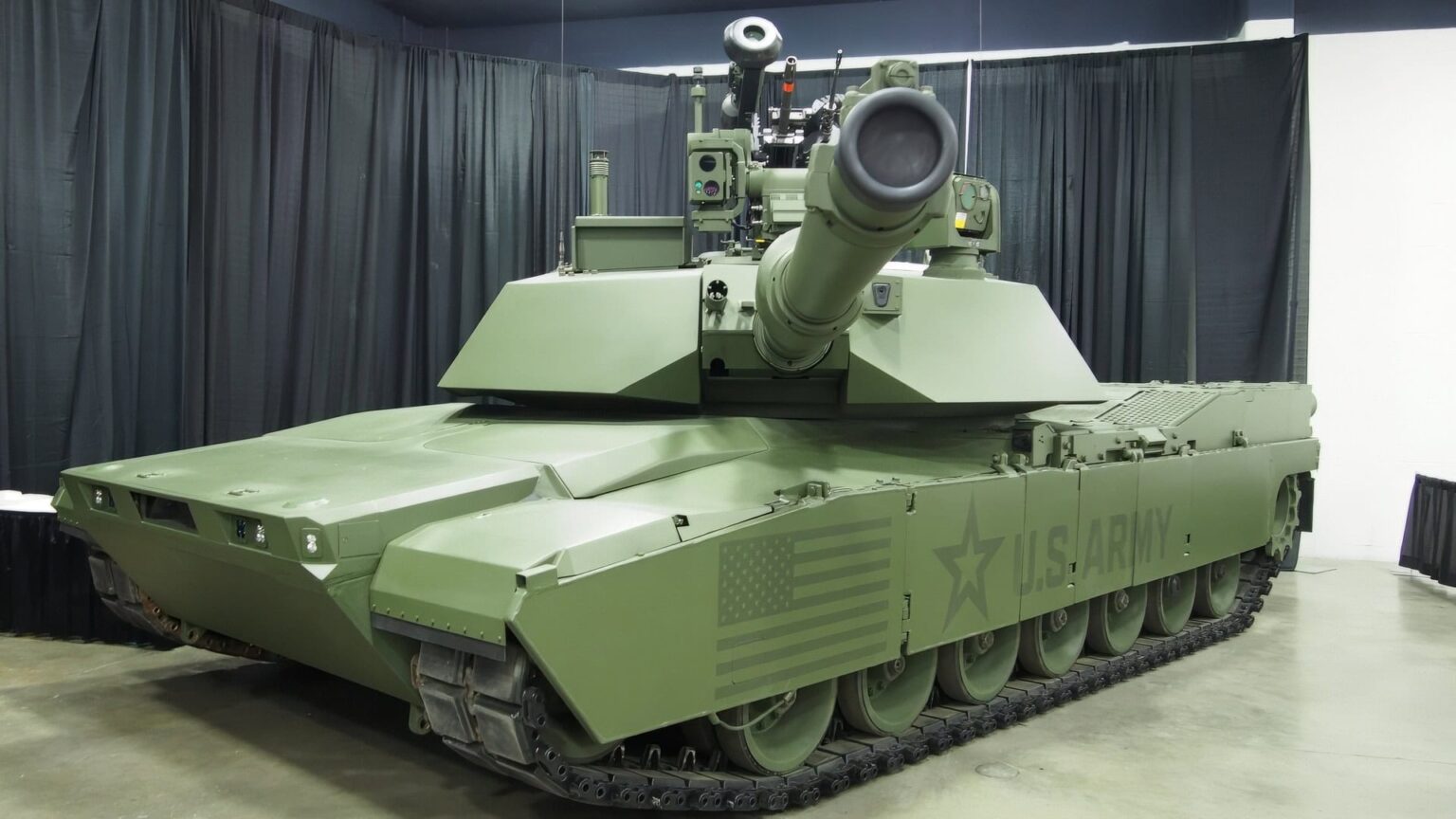
(Note: Just below, we have included a special selection of photos from our recent visit to the Detroit Auto Show, where the M1E3 was on display.
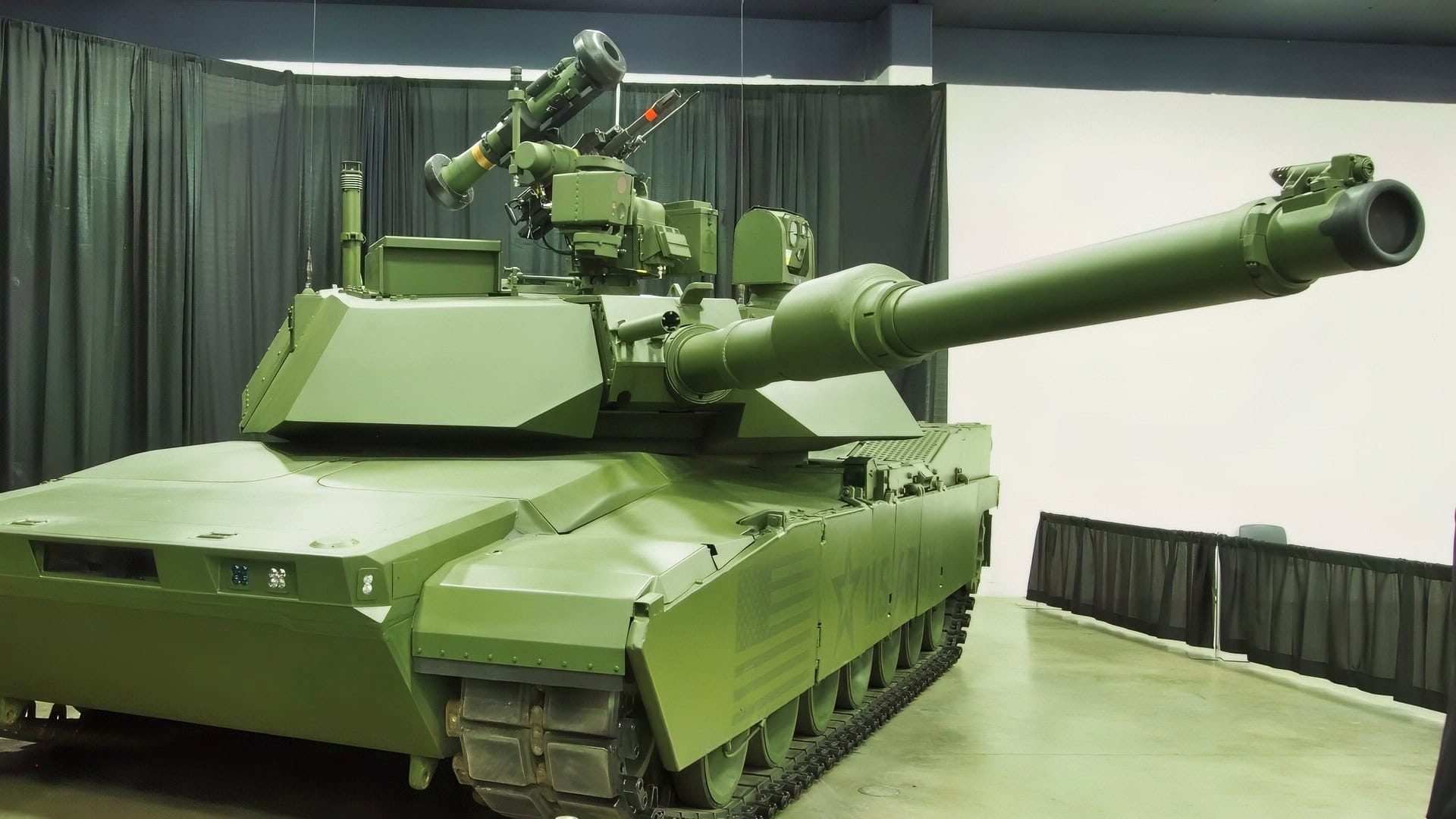
M1E3. 19FortyFive Image from the Detroit Auto Show.
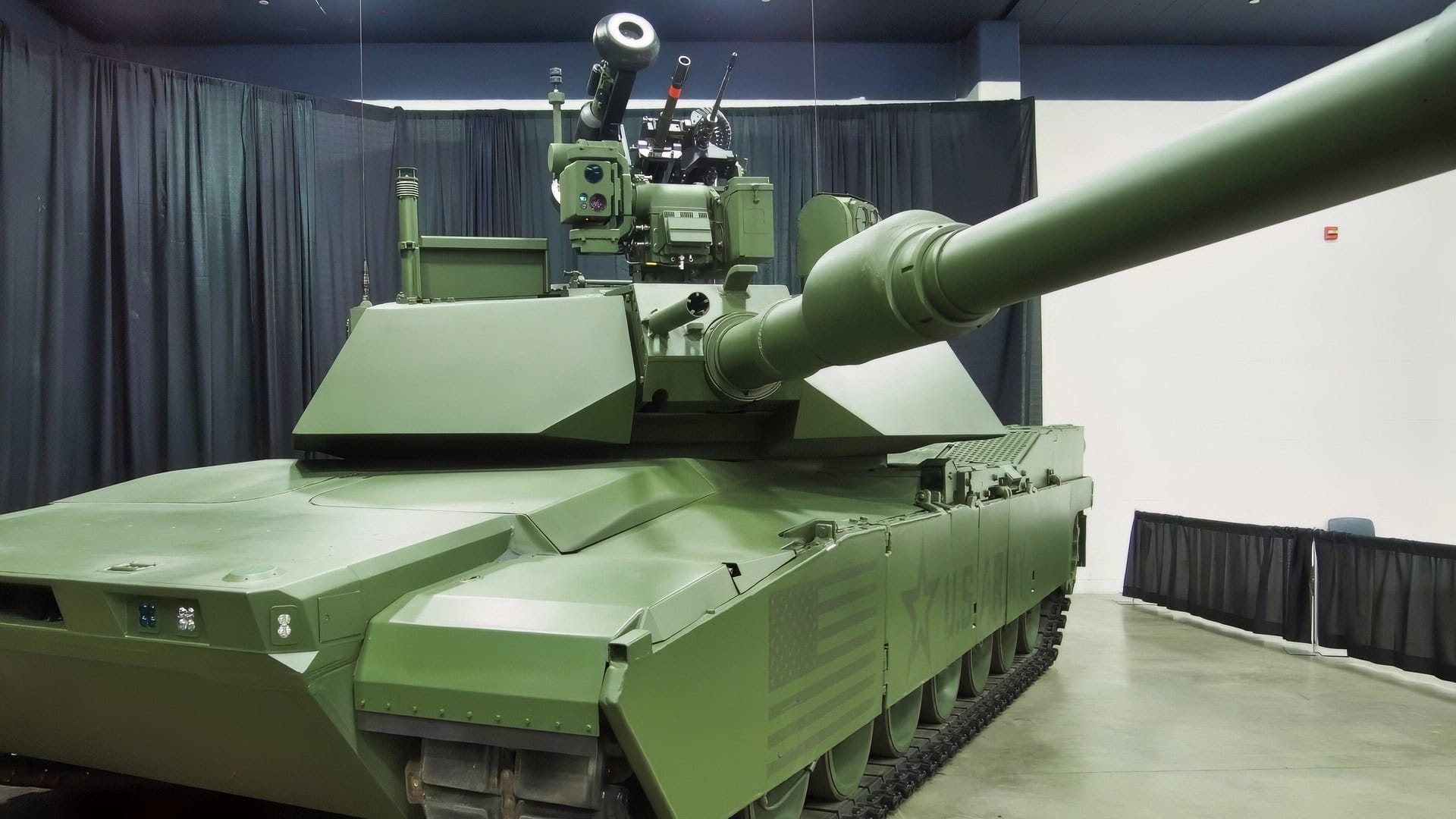
At the Detroit Auto Show, 19FortyFive visited the new M1E3 tank. Image Credit: 19FortyFive.com.
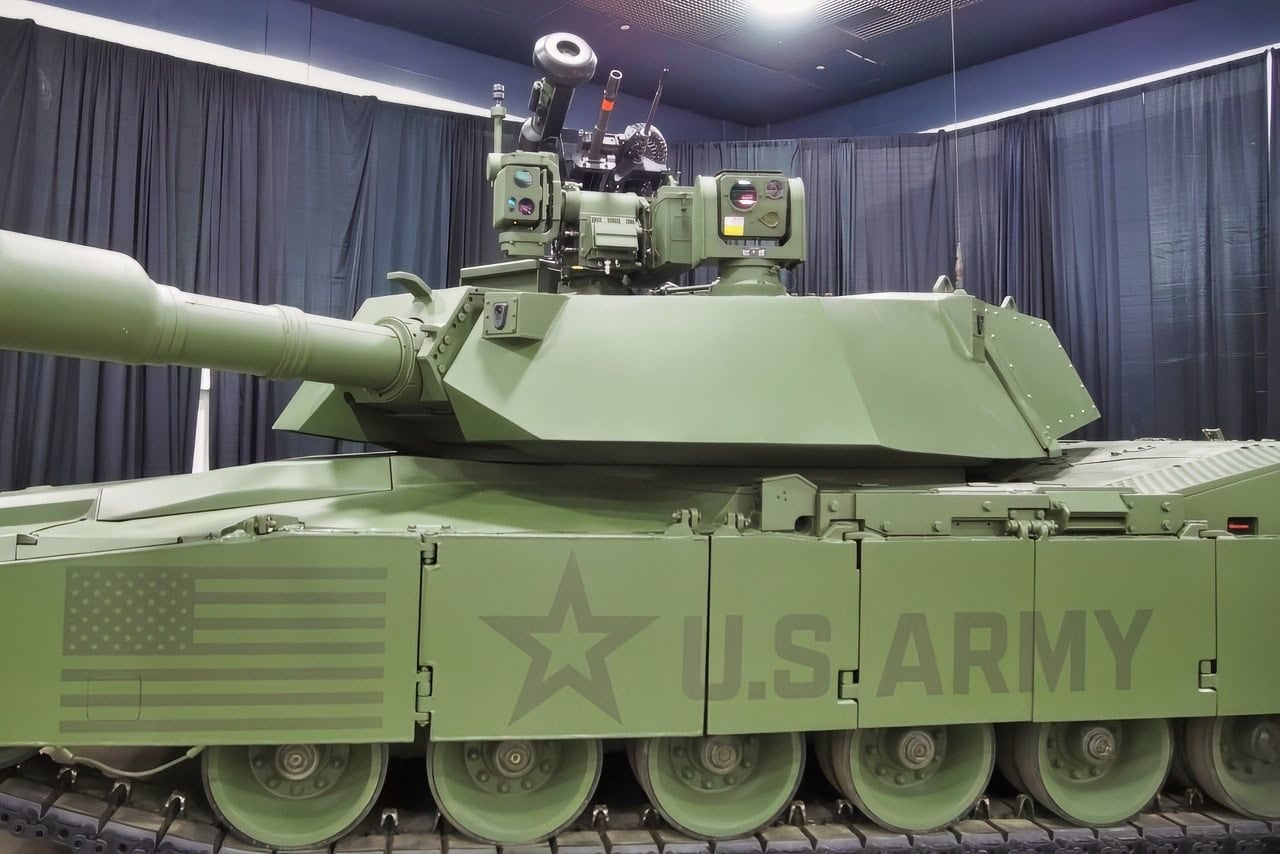
M1E3 from the Detroit Auto Show. Taken by 19FortyFive.com on 1/17/2026.
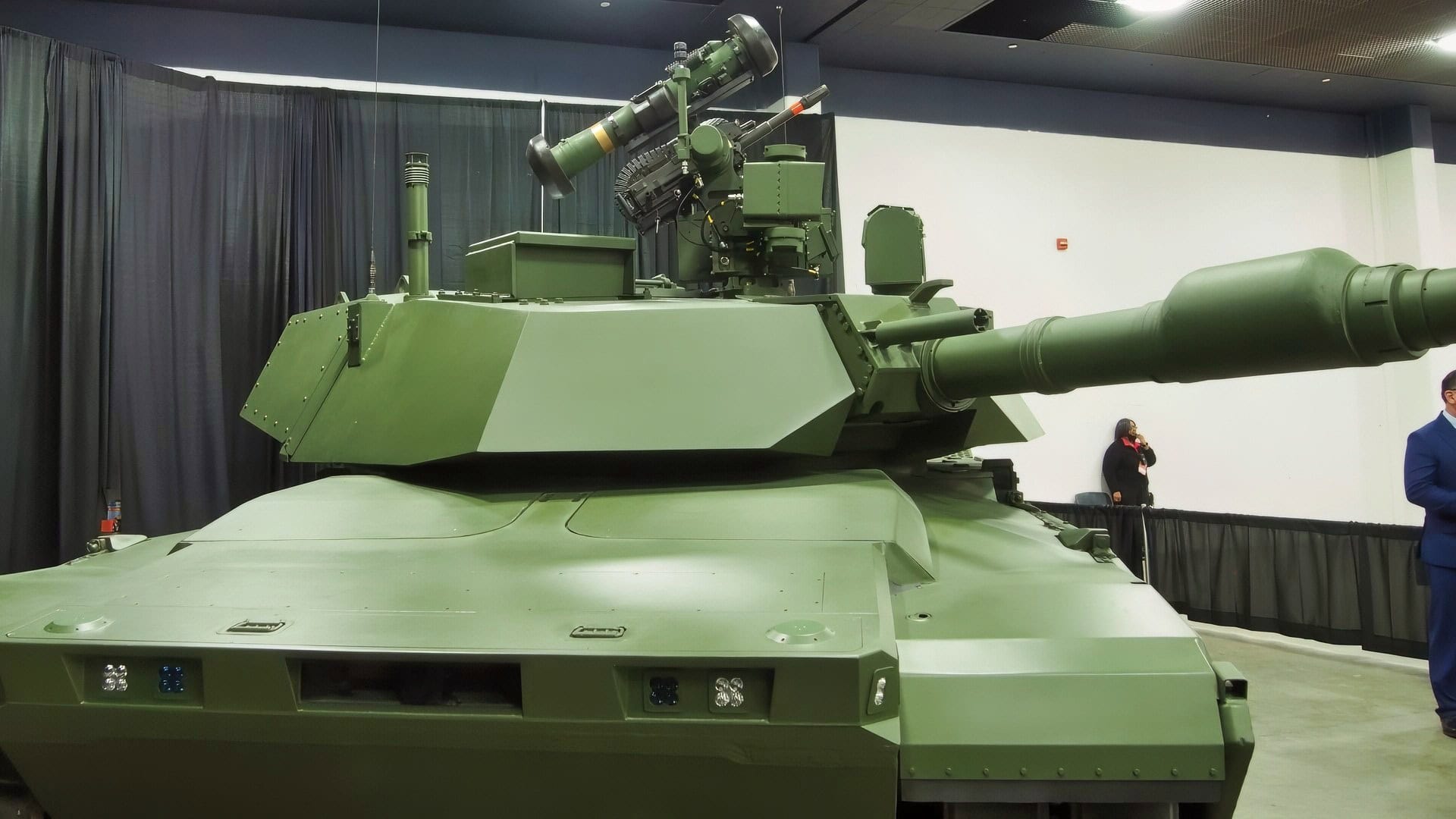
M1E3 Tank from the Detroit Auto Show. Photo Taken By 19FortyFive Staff on 1/17/2026.
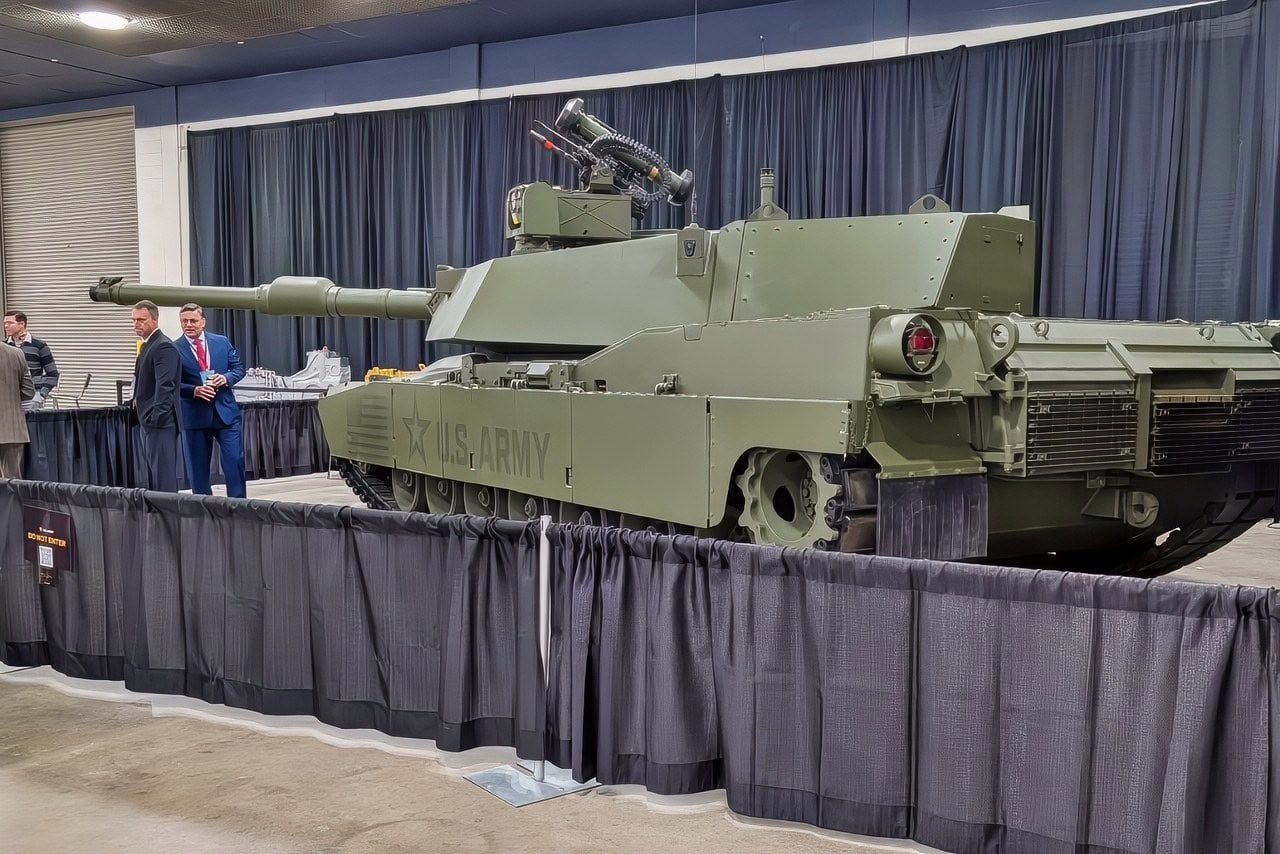
M1E3 Tank at the Detroit Auto Show. Image Credit: 19FortyFive.
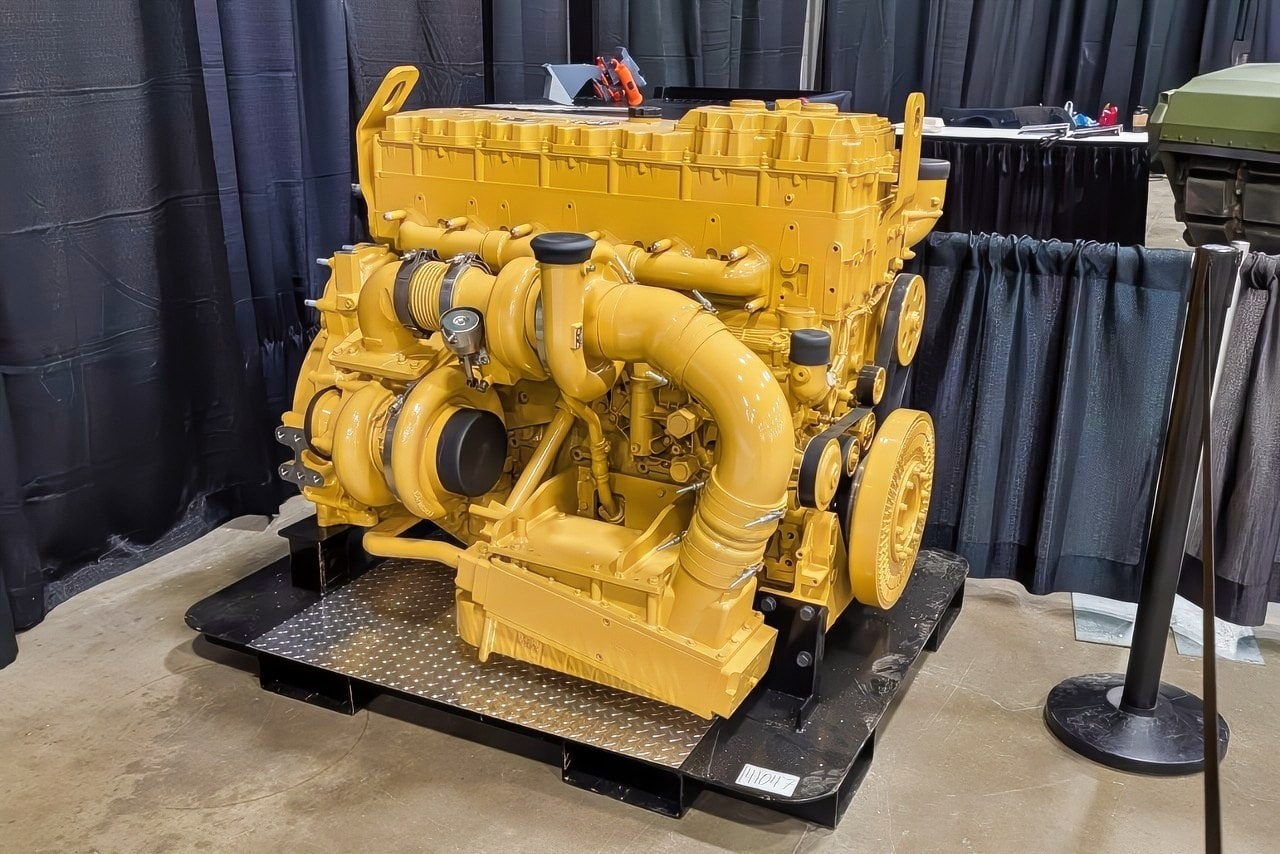
M1E3 Tank at the Detroit Auto Show. Image Credit: 19FortyFive.
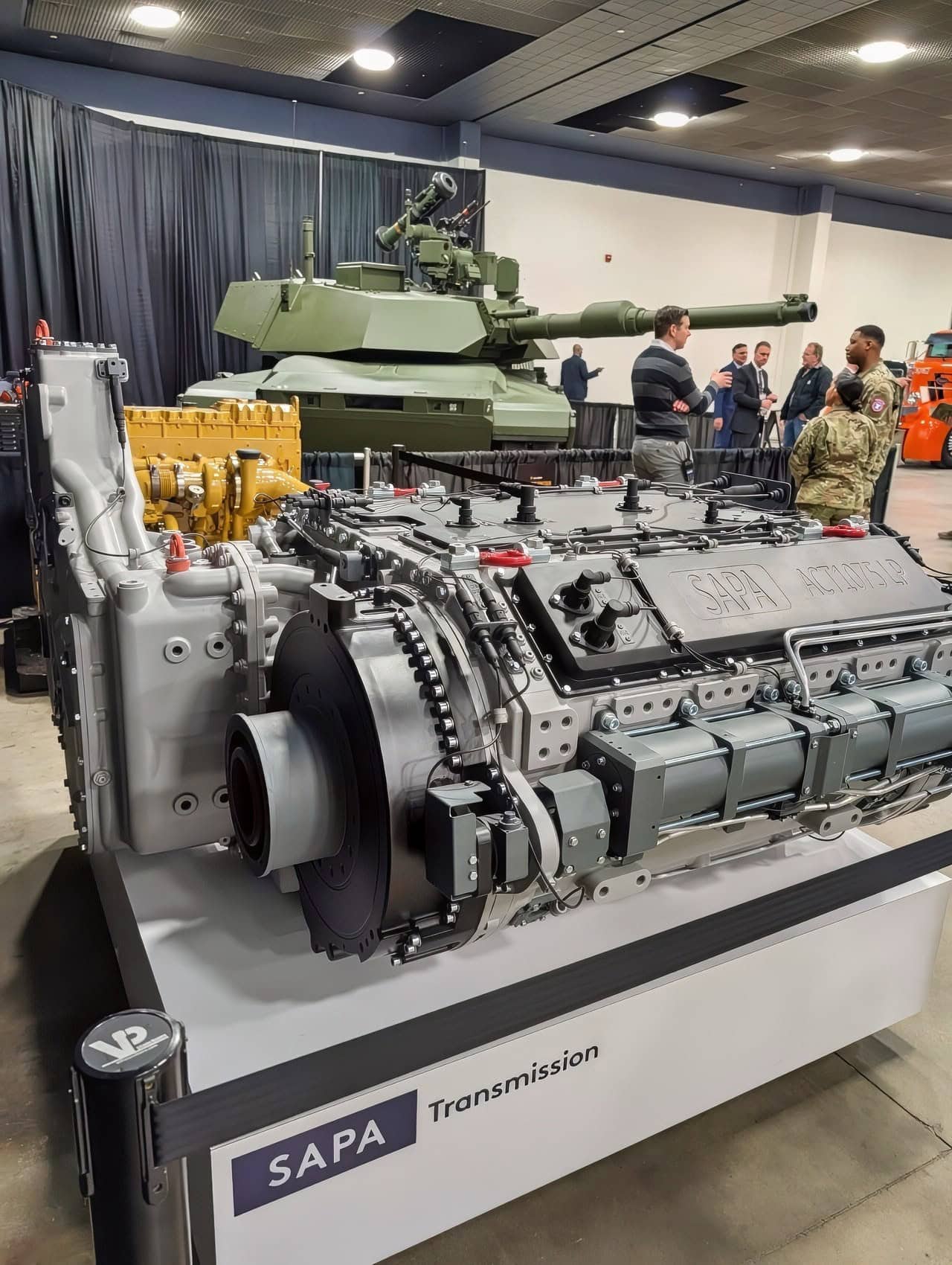
M1E3 Tank at the Detroit Auto Show. Image Credit: 19FortyFive.
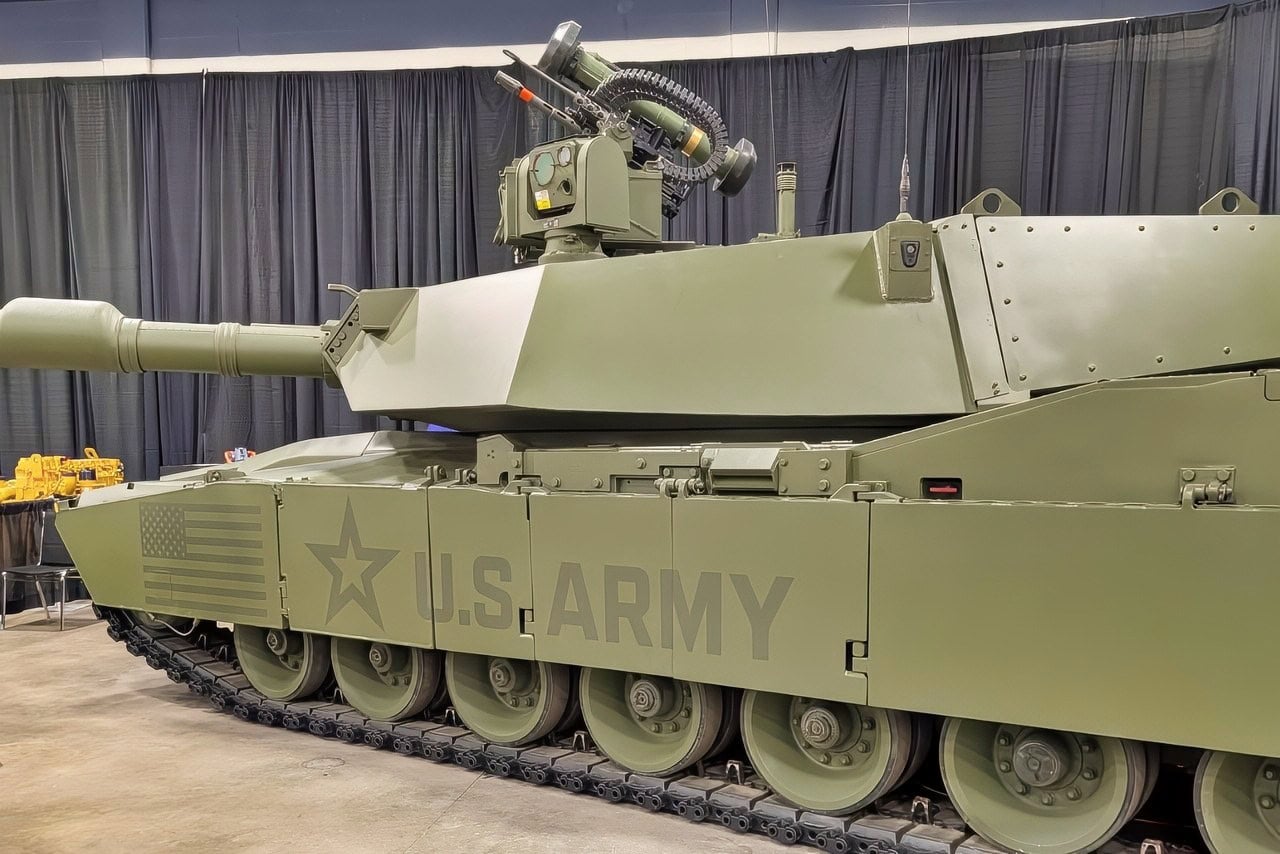
M1E3 Tank at the Detroit Auto Show. Image Credit: 19FortyFive.
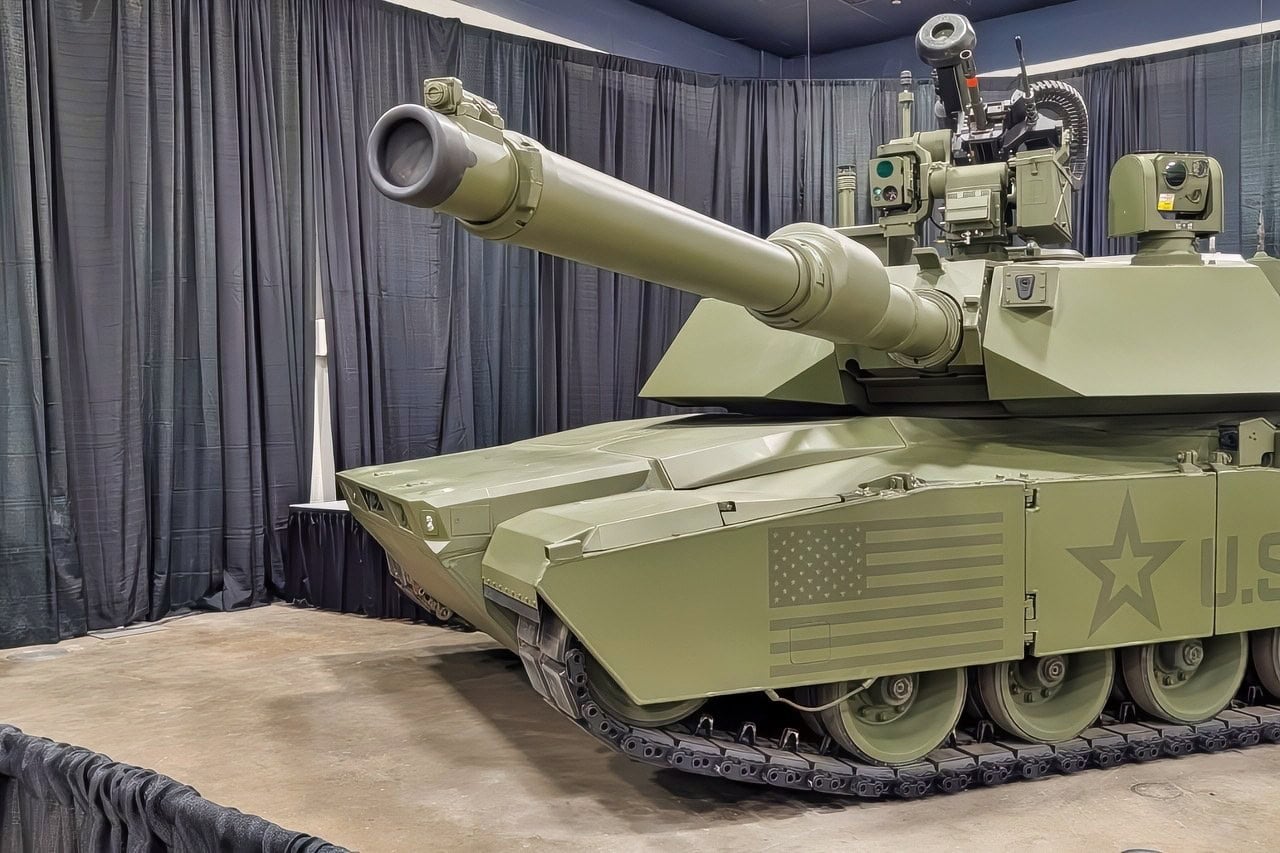
M1E3 Tank at the Detroit Auto Show. Image Credit: 19FortyFive.com
The M1E3 vs the T-72
The M1E3 Abrams emerged from a deliberate reset in US Army thinking. After decades of incremental upgrades that steadily increased the Abrams’ weight, electrical demand, and logistical burden, the Army concluded that additional bolt-on improvements were no longer sustainable.
The cancellation of the M1A2 SEPv4 upgrade package in favor of the M1E3 signaled an acknowledgment that survivability, mobility, and sustainment could no longer be balanced by simply adding more armor and electronics to a 1980s platform. The M1E3 is therefore conceived not as another incremental package, but as a deep rework of the Abrams concept, with the explicit goal of reducing weight, integrating internal protection systems, and adopting a digital architecture that enables faster adaptation to new threats.
By contrast, the T-72B3M is the product of a very different strategic reality. Russia possesses thousands of legacy T-72 hulls, and replacing them wholesale with newer designs such as the T-14 Armata has proven economically and industrially unrealistic.
The T-72B3 program, culminating in the B3M variant, is therefore a pragmatic solution aimed at improving firepower, sights, communications, and protection at relatively low cost. Rather than rethinking the tank’s fundamental architecture, the B3M refines it, upgrading key subsystems while accepting the inherent limitations of the original design.
Survivability
One of the most consequential differences between the two tanks lies in how they approach survivability. The Abrams family has historically emphasized crew survival as a core design priority. This is most clearly evident in the segregation of ammunition into armored compartments with blowout panels, which dramatically reduces the likelihood of catastrophic crew loss when the tank is penetrated.
Even when an Abrams is disabled, its crew has a comparatively high chance of surviving the initial hit. The M1E3 is expected to improve this philosophy by reducing the crew to three and placing them in an armored capsule away from any ammunition. Additionally, the new tank is expected to integrate active and passive defenses, eliminating the need for future add-ons and significantly bolstering the Abrams’ survivability.
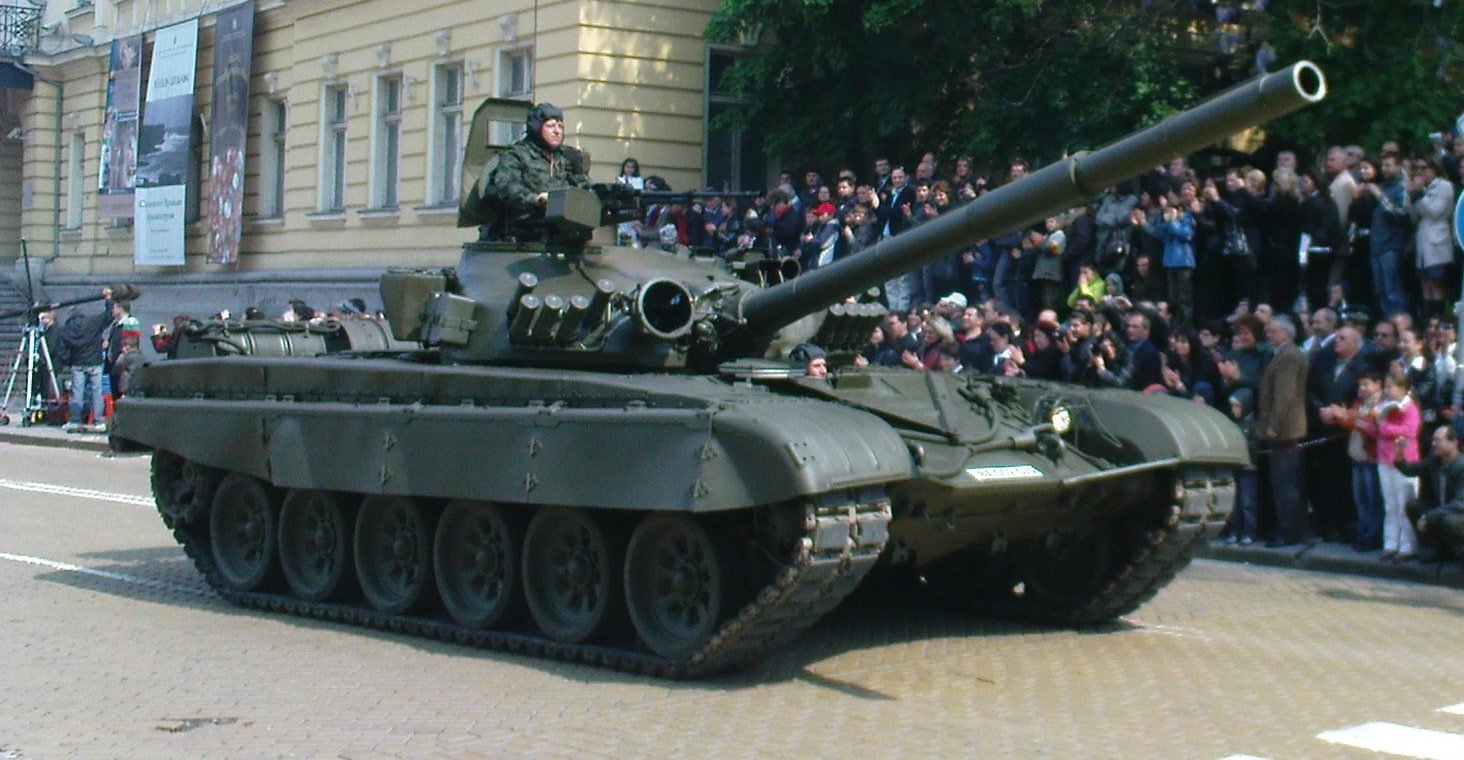
T-72M2 tank on Army day parade in Sofia.
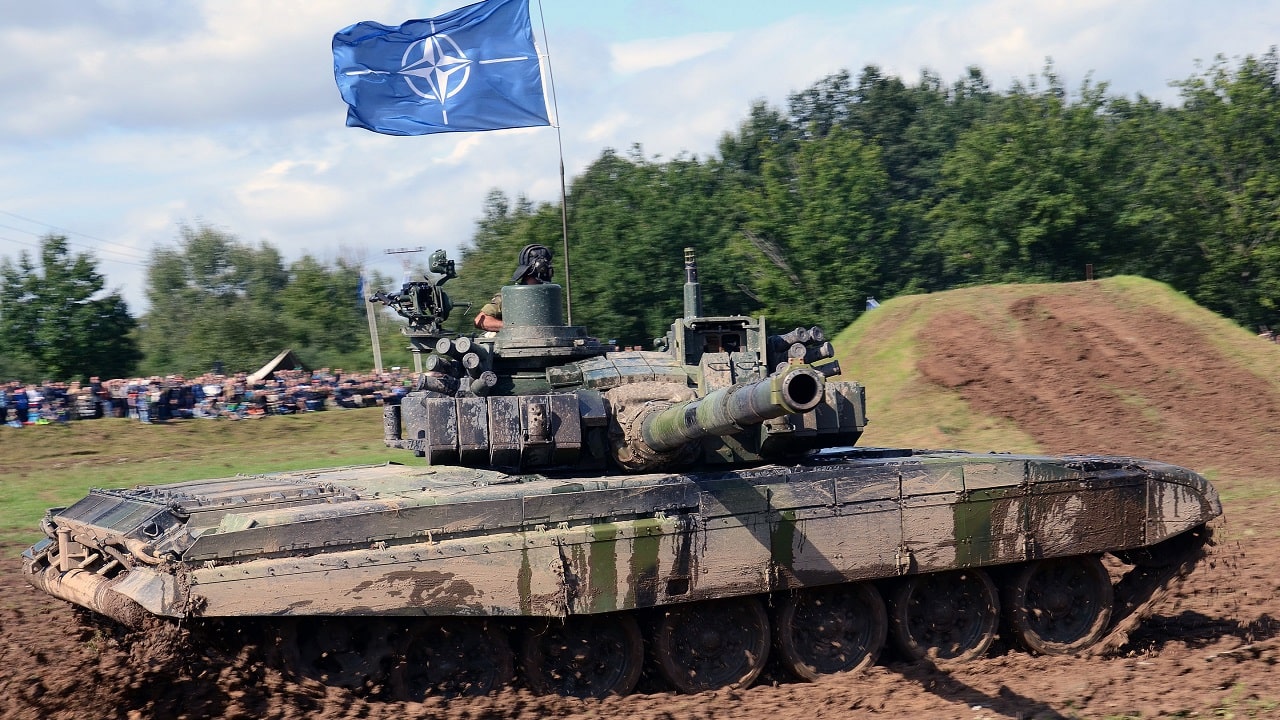
T-72 Tank. Image Credit: Creative Commons.
The T-72B3M, on the other hand, retains the classic Soviet three-man crew layout and carousel autoloader. This configuration allows for a smaller turret silhouette and a lighter tank, but it places propellant charges and projectiles directly beneath the crew in an unisolated arrangement. In the event of armor penetration, particularly from the side or above, this layout can lead to rapid ammunition cook-off and catastrophic turret ejection.
Despite upgrades to explosive reactive armor and the introduction of additional roof and side protection, this fundamental vulnerability remains unchanged in the B3M. In recent years, the Russians have managed to integrate the Arena-M APS onto the T-72, with one model reportedly spotted near the front lines in Ukraine. Still, clearly, the Russians have a way to go before Arena-M can be mass-produced.
Firepower and Mobility
In terms of firepower, both tanks are relatively evenly matched. The M1E3 retains the 120 mm cannon, likely an upgraded version of the M256 smoothbore gun, which can fire the latest depleted-uranium armor-piercing rounds.
Some have speculated that the barrel might be replaced with a larger 130 mm cannon, but there is no official confirmation of this yet. The T-72B3M, on the other hand, is equipped with a standard 2A46M-2 125 mm smoothbore cannon, allowing it to fire the latest Russian tank rounds, including the 3BM60 “Svinets.” Both cannons are highly lethal, although the Abrams family has always benefited from better fire control systems.
The Abrams has always had better mobility than the T-72, thanks to its Honeywell AGT1500 gas turbine engine. While the gas turbine can propel the large tank at high speeds, it has its disadvantages. Heavy weight, high fuel consumption, and thermal and acoustic signatures have long been recognized as trade-offs of the Abrams design.
The M1E3 seeks to correct this by reducing mass and adopting a diesel-electric hybrid power system, aiming to improve both tactical mobility and operational range while reducing the logistical footprint. The T-72B3M benefits from a lighter chassis and diesel propulsion, giving it respectable acceleration and endurance for its class. Still, it remains constrained by legacy drivetrain characteristics, such as limited reverse speed and less-smooth steering, compared to modern Western tanks.
The T-72 Doesn’t Stand a Chance
The US Army envisions relatively smaller numbers of highly capable tanks supported by robust logistics and maintenance networks. For the Abrams, reducing fuel consumption, simplifying sustainment, and increasing electrical power availability are critical enablers for future operations.
The M1E3 is explicitly designed to address these issues. Russia’s reliance on the T-72B3M reflects a different calculus: the ability to refurbish and reissue large numbers of tanks quickly, accepting higher loss rates in exchange for mass and availability.
With all this in mind, it is abundantly clear which tank is superior. The M1 Abrams benefits from improved survivability, mobility, and overall firepower. While the T-72 is still relevant today, it was designed in the 70s and carries over those design limitations.
Both tanks represent two entirely different approaches to tank design and two entirely different strategic necessities. While the M1E3 is a highly advanced tank intended to be built in smaller quantities, with crew safety in mind, the T-72 was designed to be built in the thousands and to engage in high-intensity warfare, with high casualties expected.
About the Author: Isaac Seitz
Isaac Seitz, a Defense Columnist, graduated from Patrick Henry College’s Strategic Intelligence and National Security program. He has also studied Russian at Middlebury Language Schools and has worked as an intelligence Analyst in the private sector.