
Published on
January 26, 2026
By: Tuhin Sarkar
 Morocco Joins US UK Spain Saudi Arabia Bulgaria and More Countries Around the World Supercharge Sports Tourism Shining Bright as FIFA World Cup Nears Latest Update is Here
Morocco is now firmly in the spotlight as it joins the US, UK, Spain, Saudi Arabia, Bulgaria, and more countries in supercharging sports tourism across the globe. With the FIFA World Cup 2030 fast approaching, Morocco is making a powerful statement as a key player in the world of sports tourism. As countries like the US, UK, Spain, Saudi Arabia, and Bulgaria ramp up their efforts to boost sports tourism, Morocco shines brighter than ever before, showcasing its ability to host world-class sporting events and attract tourists from across the globe.
This latest update reveals how Morocco’s sports tourism industry is poised for massive growth, offering unique experiences for visitors and becoming a leading destination for sports fans worldwide. The strategic investments in infrastructure, combined with the excitement surrounding Morocco’s FIFA World Cup 2030 bid, make it a thrilling time for sports tourism in the country.
Morocco is not just preparing for the World Cup; it’s transforming its tourism landscape, leveraging sports to fuel a vibrant, growing economy. This latest development highlights Morocco’s rise as a powerhouse in the global sports tourism scene, and there’s no turning back now.
Morocco Shines Bright on the World Stage After Hosting AFCON 2025: A Glimpse into its Glorious Future
Morocco has shown the world that it is not just a football hub but also a global tourism powerhouse. The Kingdom successfully hosted the 35th Africa Cup of Nations (AFCON 2025), captivating fans, showcasing exceptional hospitality, and giving the world a taste of Morocco’s bold future. The tournament ended on January 18, 2026, with Senegal clinching the victory, but it was Morocco’s tourism that emerged as the biggest winner.
Advertisement
Advertisement
Advertisement
Advertisement
AFCON 2025 and the Massive Boost to Morocco’s Tourism Sector
The Africa Cup of Nations brought more than just football. It ignited a tourism revolution, drawing millions of visitors from across the globe. Fans flocked to Rabat, Tangier, Fez, and beyond, packing the stadiums, cheering their hearts out, and exploring Morocco’s stunning cultural and natural attractions. The event began on December 21, 2025, and held the nation in a vice-like grip until its climactic finish. AFCON 2025 wasn’t just about the football matches; it was about introducing Morocco to the world in a way never seen before. The Kingdom’s ability to manage an event of this magnitude made it clear: Morocco is a tourism titan.
As fans journeyed to the stadiums, they didn’t just leave once the match was over. They stayed longer, hopped between cities, and discovered Morocco’s treasures, from ancient medinas to luxurious hotels, increasing the Kingdom’s tourism revenue by a staggering 19%. AFCON 2025 wasn’t just an event – it was the spark that catapulted Morocco to the forefront of the global tourism stage.
Advertisement
Advertisement
Record-Breaking Year for Moroccan Tourism in 2025: A Stunning Growth Story
The statistics are staggering. In 2025, Morocco welcomed 19.8 million international tourists – a monumental 14% increase compared to 2024. This wasn’t just about numbers; it was a massive leap in terms of tourism growth. The Kingdom earned a record-breaking $13 billion in tourism revenue, outpacing all expectations, including the tourism industry’s own targets. It’s safe to say that Morocco is no longer just a rising star; it is Africa’s tourism leader.
Experts agree that AFCON 2025 played a major role in this rise. With improved infrastructure, more flights, and increasing media exposure, Morocco captured the world’s attention like never before. The Moroccan National Tourist Office (ONMT) under Achraf Fayda has orchestrated a strategy that didn’t just focus on football matches but also on turning tourism into an economic engine. Visitors not only came for the matches, they came to experience Morocco’s rich culture, from the buzzing souks of Marrakech to the historical streets of Fez.
Advertisement
Advertisement
The Road to 2030: Morocco’s Master Plan for Global Sporting Events
It’s clear now that Morocco’s tourism sector isn’t stopping at AFCON 2025. With the eyes of the world already set on Morocco for the 2030 FIFA World Cup, the Kingdom is preparing for an even bigger spectacle. AFCON 2025 was essentially a dress rehearsal, testing the infrastructure, logistics, and hospitality that will be needed for the 2026 FIFA World Cup.
Airlines, working with the ONMT, expanded flight options, raising the air capacity to Morocco by an impressive 30%. Marrakech and Agadir became hot spots for international visitors, as Morocco’s air connectivity soared. The result? More tourists flocking to the Kingdom. The increase in flights was not just about sports tourism – it was about making Morocco an accessible destination for all types of travellers, from luxury seekers to adventure enthusiasts.
Massive Hotel Upgrades: Morocco’s Luxury and Accessibility Transformation
To accommodate this influx of visitors, Morocco didn’t just rest on its laurels. The country focused heavily on hotel upgrades, and new luxury offerings. By 2025, 43,000 new hotel beds were added, with 53% of hotels now boasting 4- or 5-star quality. The Kingdom invested heavily in high-end infrastructure, ensuring that AFCON 2025 wasn’t just a temporary boom, but a long-term economic shift.
Big international brands are already investing in Morocco’s future, with Radisson planning to open 25 new hotels by 2030. Rabat, Tangier, and Agadir will see luxury hotels, ready to accommodate both football fans and leisure travellers. The addition of these luxurious accommodations ensures that Morocco can cater to the increasing demand from high-end tourists. This is a country determined to put itself on the map, not just as a host of major sports events, but as a luxury tourism destination.
The 2030 FIFA World Cup: Morocco’s Ultimate Test
The 2030 FIFA World Cup is the ultimate goal for Morocco, Spain, and Portugal, and AFCON 2025 served as a testing ground for the infrastructure that will support this mega-event. Morocco has already invested heavily in its stadium infrastructure, spending €1.8 billion to upgrade existing venues and build new ones. The Prince Moulay Abdellah Stadium in Rabat is one such shining example – a state-of-the-art venue that hosted the final match of AFCON 2025.
The Kingdom is also set to debut Stade Hassan II in Benslimane, with a seating capacity of 115,000. When completed, this will be one of the largest stadiums in the world. AFCON 2025 provided the ideal opportunity for Morocco to test its operational systems and evaluate how well the country can handle large-scale events. The public-private partnerships were seamless, and Morocco’s ability to coordinate logistics, security, and fan experience was impressive.
AFCON 2025: A Glorious Showcase of Football, Culture, and Tourism
But AFCON 2025 wasn’t all smooth sailing. Controversies over player protests, a disputed penalty, and some tense moments marked the final match, which saw Senegal defeat Morocco in extra time. Yet, despite the drama, the Confederation of African Football (CAF) hailed the tournament as the most commercially successful in the competition’s history. Morocco’s impeccable organization and commitment to excellence were clear for all to see.
It’s no surprise that Morocco has cemented its position as a global leader in tourism, thanks to AFCON 2025. The Kingdom now targets 26 million tourists by 2030, and sport will continue to be a major driving force in achieving this goal. AFCON 2025 has shown that football is not just a game in Morocco – it’s a key player in the country’s economic success story.
Morocco’s Global Appeal: How AFCON Changed the Tourism Game Forever
Morocco’s journey to becoming a top tourist destination has been swift and exhilarating. Thanks to its successful hosting of AFCON 2025, the Kingdom is now seen as a premier destination for both sports and leisure tourism. The event was a game-changer, proving to the world that Morocco is ready for prime-time events like the 2030 FIFA World Cup. From the record-breaking tourism numbers to the luxury hotel upgrades and expanded air connectivity, AFCON 2025 was not just about football. It was about a nation rising to the occasion, embracing the world, and showing that Morocco is more than just a tourist destination – it’s a global force in sports, culture, and tourism.
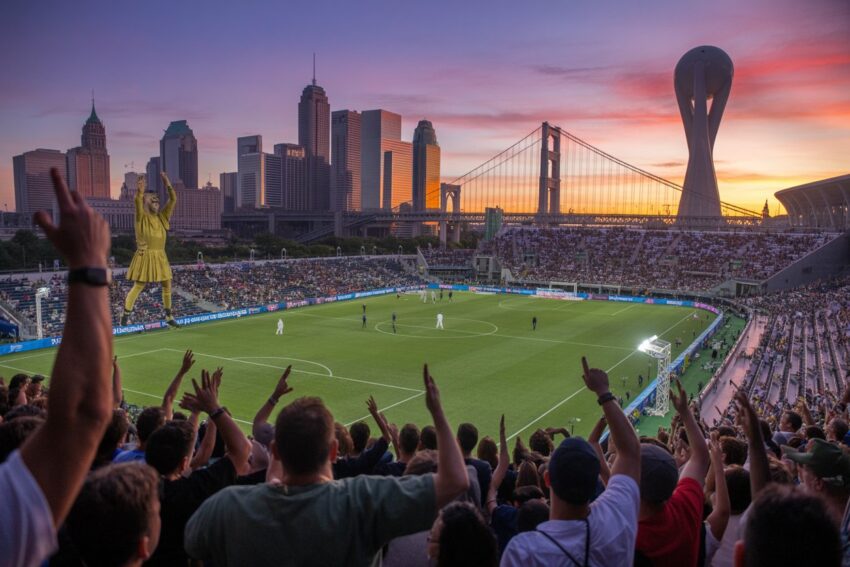
USA’s Sports Tourism Revolution in 2026
The 2026 FIFA World Cup is expected to be the biggest driver of sports tourism in the U.S. The World Cup will be hosted jointly by the U.S., Canada, and Mexico, with 11 U.S. cities chosen to host matches, including iconic locations like Los Angeles, New York, and Miami. This will bring millions of international visitors to the U.S. in search of world-class football matches, fan experiences, and the vibrant culture of the host cities.
Government officials, including those from the U.S. Department of State, have already started planning for streamlined visa processes to welcome international fans. Additionally, the U.S. FIFA World Cup Task Force is coordinating efforts across cities and agencies to ensure smooth logistics for both sports fans and tourists. The event is projected to have a multi-billion-dollar impact, boosting local economies, creating jobs, and solidifying the U.S. as a global sports tourism destination. (state.gov)
The 2028 Summer Olympics: A Vision for Long-Term Impact
Just two years after the World Cup, the 2028 Summer Olympics in Los Angeles will further solidify the United States’ position as a global leader in sports tourism. The U.S. government has already committed to extensive investments in infrastructure, including new sports venues and transportation improvements, to ensure the Olympics are a resounding success. The event will not only bring athletes and spectators to the U.S. but will also spotlight the country’s cultural landmarks and world-renowned tourist attractions.
The Los Angeles Olympic Games are expected to transform the tourism landscape, attracting tourists who are eager to experience the excitement of the Games while also exploring the city’s famous landmarks like Hollywood, Venice Beach, and the Getty Museum. The Olympics will serve as a catalyst for economic growth, job creation, and cultural exchange, making the U.S. a go-to destination for sports fans and travellers alike. (AP News)
State-Level Investments and Local Growth
Beyond these marquee events, local governments across the United States are increasingly recognising sports tourism’s potential. States like Delaware have introduced programmes like the Sports Tourism Capital Investment Fund, which aims to improve sports facilities and host regional events that will draw out-of-state visitors. These local-level investments are part of a broader national strategy to use sports events as tourism magnets, creating economic opportunities for smaller cities and rural areas. (news.delaware.gov)
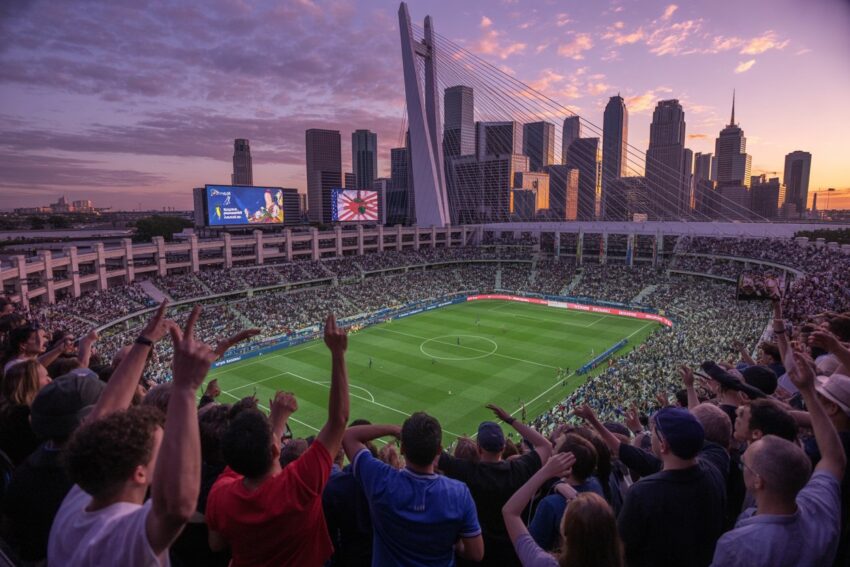
Europe: The Powerhouse of Sports Tourism – A Continent on Fire!
The European Union is turning sports tourism into a competitive advantage like never before. As European nations work hand-in-hand, leveraging EU policy and funding to promote sports events, the entire continent is becoming a mecca for sports fans and participants. The European Commission has put forward ambitious plans that include EU-wide sports tourism strategies, making the continent a world leader in this space. (europarl.europa.eu)
2026 will be the year when Europe doesn’t just host sports events, but crafts unforgettable experiences for visitors. Countries like France, Germany, and Italy are doubling down on their sports tourism investments. Official EU policy will make sports tourism a cornerstone of Europe’s future. Germany’s Bundesliga, Italy’s Serie A, and France’s Ligue 1 are just the beginning of the sports tourism boom that will engulf the continent in 2026.
With state-of-the-art stadiums, world-class sports arenas, and international events on the horizon, Europe is poised to create a sports tourism paradise where visitors will come not just to watch sports, but to experience the culture and excitement of the continent firsthand.
The UK: Turning Sports into a Global Tourism Engine
The United Kingdom is all-in on sports tourism, and by 2026, the country will be leading the charge in Europe. With the UK Government committing over £900 million to sports infrastructure and high‑profile international events like the 2026 European Athletics Championships, the UK is transforming sports into a key pillar of its tourism strategy. (gov.uk)
The UK’s plan is clear: sports tourism will drive millions of visitors to the country. The UK’s investment in state-of-the-art sports venues and events will not only create a sports hub for the world’s most passionate fans but also turn the UK into a year-round sports destination. From rugby to football to tennis, the UK will be a powerhouse for international events, drawing in sports fans from across the globe. The UK Government’s commitment to sports tourism is paving the way for the country to become a global leader in the field by 2026. This is not just about hosting an event; it’s about transforming the entire national tourism landscape through the power of sport.
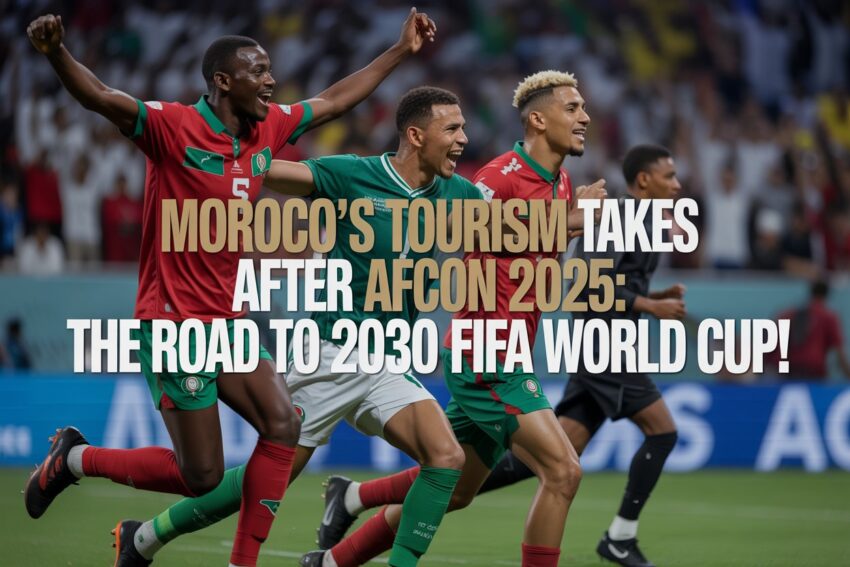
South Korea: A Nation Transforming Sports Tourism with Innovation and Vision
South Korea is making waves in sports tourism, with a strategic government-led vision aimed at making the country a global sports tourism destination. Thanks to its Ministry of Culture, Sports and Tourism, South Korea is officially positioning itself as Asia’s leading sports tourism hub by 2026. (mcst.go.kr)
2026 will see South Korea hosting an array of international sports events that will elevate its tourism industry. The government is already investing heavily in infrastructure, building world-class sports facilities and ensuring that every sports event is paired with tourism packages designed to attract global visitors. From the Winter Olympics to eSports tournaments, South Korea is becoming the ultimate destination for sports lovers.
This is not just about the events, it’s about creating a holistic sports tourism experience, where visitors can immerse themselves in local culture, enjoy traditional Korean delicacies, and explore breathtaking landscapes while attending thrilling sports events. By 2026, South Korea will have turned sports tourism into a juggernaut..
Italy: The Olympics of Sports Tourism in 2026
When you think of sports tourism, Italy is set to become one of the top destinations worldwide. With the 2026 Winter Olympics in Milano Cortina, Italy will soon be at the centre of the global sports tourism scene. This will be a game-changer for the country, offering more than just athletic competition – it’s an entire tourism experience that combines world-class sports with Italy’s legendary culture and incredible landscapes.
Italy is ready to use the Olympics to its advantage, investing billions in infrastructure that will benefit both the sports community and tourists for years to come. The Winter Olympics won’t just bring in athletes and spectators; it will transform Italy into the sporting capital of Europe. From world-class ski resorts to historic cities like Venice and Rome, sports tourism in Italy will be a luxurious fusion of culture, history, and sport. By 2026, Italy’s sports tourism industry will have skyrocketed, offering a world-class experience for every traveller.
Bulgaria: The Underdog Sports Tourism Destination
While most eyes are on the big-name countries in Europe, Bulgaria is quietly transforming itself into a sports tourism gem. The 2026 Giro d’Italia will kick off in Bulgaria, a historic move for the country and a strategic decision to put Bulgaria on the global sports tourism map. This is no small feat: hosting such a prestigious event is a clear message to the world that Bulgaria is open for business, and it’s ready to host the world’s sports lovers.
But it’s not just about cycling. Bulgaria is building a sports infrastructure that will allow it to host a wide variety of international sports events. From football to basketball, Bulgaria is making a name for itself in the sports tourism sector. The 2026 Giro d’Italia is only the beginning, and the country’s tourism industry is gearing up to capitalize on this explosive growth.
Saudi Arabia: Sports Tourism Meets Vision 2030 – A Bold Transformation
Saudi Arabia is making global headlines with its Vision 2030 initiative, where sports tourism is at the very heart of its transformation. The government’s massive investments in sports infrastructure, from Formula 1 to eSports tournaments and polo events, are catapulting the kingdom to the forefront of sports tourism in the Middle East. (travelandtourworld.com)
Saudi Arabia isn’t just hosting sports events; it’s creating a new global sports tourism ecosystem. By 2026, the kingdom aims to attract millions of tourists, all flocking to see elite sporting events set against the backdrop of the Saudi desert. From the Saudi Grand Prix to new sports arenas being built in cities like Riyadh and Jeddah, Saudi Arabia is preparing to showcase itself as a world-class sports tourism destination.
With these game-changing initiatives, the country is on track to become a dominant force in sports tourism by 2026. Its ambitious goal is to blend sports with culture, offering tourists the chance to experience the best of both worlds. Saudi Arabia is not just dreaming big; it’s making sports tourism its cornerstone for future growth.
Indonesia: An Emerging Sports Tourism Destination You Can’t Miss
Indonesia’s tourism industry is going through a massive transformation. The country’s official Ministry of Culture and Sports is pushing forward sports tourism initiatives that will bring both domestic and international visitors flocking to its shores by 2026.
Indonesia is positioning itself as a sports tourism hotspot, with major events in cities like Bali and Jakarta set to attract global crowds. The government is investing heavily in sports venues, creating a strong synergy between sports, tourism, and local culture. From adventure sports to traditional games, Indonesia is fast becoming a must-visit destination for any sports lover.
Indonesia is not just focusing on big cities. The government is keen to bring sports tourism to every corner of the country, making even remote areas accessible to global visitors. By 2026, Indonesia will offer an unforgettable mix of sports, nature, and culture that will make it an unmissable destination for sports tourism enthusiasts.
Romania, Finland, and Bulgaria: The European Volleyball Championship Hosts
In 2026, Romania, Finland, and Bulgaria will be home to the European Volleyball Championship, an event that is set to revolutionize their sports tourism industries. By co-hosting such a high-profile European event, these nations will not only gain massive international exposure but also increase their appeal as sports destinations.
For Romania, Finland, and Bulgaria, this is an economic game-changer. The European Volleyball Championship will draw sports fans from around the world, giving these countries a golden opportunity to showcase their sports culture, tourism offerings, and event infrastructure. Hosting this championship will be a once-in-a-lifetime opportunity for these nations to boost their sports tourism industries to unprecedented heights.
