
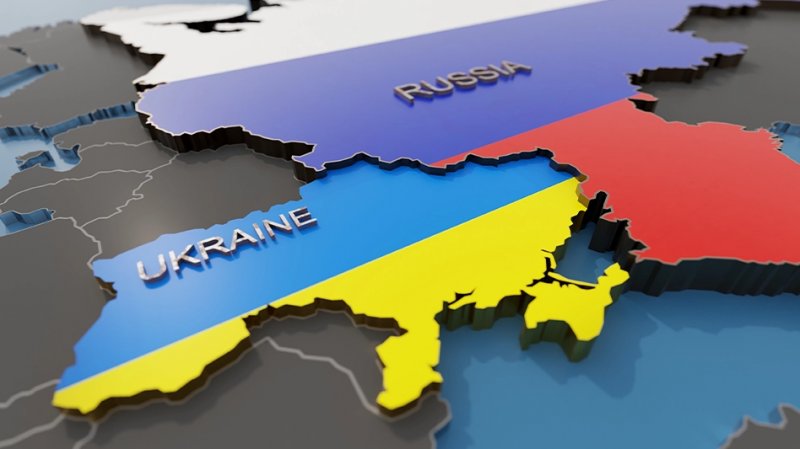
The week opened with intensified military activity along several sections of the front line, particularly in eastern and southern Ukraine, News.Az reports.
Ukrainian officials reported continued Russian pressure around contested settlements where positional warfare has largely replaced rapid maneuver. Artillery exchanges and drone activity remained high, reflecting the ongoing shift toward long-range attrition rather than large-scale ground offensives.
On the political front, Kyiv emphasized the importance of sustained international military assistance, warning that any slowdown could affect defensive capacity during the winter period. Ukrainian leadership reiterated that air defense systems and ammunition replenishment remained top priorities. At the same time, Moscow framed its operations as part of a prolonged campaign aimed at exhausting Ukrainian resources and resilience, signaling no immediate change in strategic objectives.
Civilian infrastructure again emerged as a focal point. Energy facilities and logistics hubs were reported to be under pressure, reinforcing concerns about the humanitarian impact as temperatures remained low across much of the country.
January 20, 2026
On this date, attention shifted toward diplomatic signaling and information warfare. Russian officials issued statements suggesting openness to dialogue under what they described as “new realities on the ground,” language that has become a consistent feature of Moscow’s messaging. Kyiv responded cautiously, stressing that any negotiations must be based on respect for sovereignty and territorial integrity.
Militarily, Ukrainian forces acknowledged localized withdrawals from exposed positions in order to consolidate defenses. This was framed not as a setback but as a tactical adjustment designed to reduce casualties and stabilize lines. Analysts observed that both sides appeared increasingly focused on preserving manpower while relying more heavily on drones, electronic warfare, and precision strikes.
Meanwhile, discussions within European capitals about long-term security guarantees for Ukraine gained renewed attention. Though no concrete announcements were made, the topic underscored a growing recognition that the conflict is likely to remain protracted.
January 21, 2026
The third date of the chronology was marked by renewed strikes targeting rear-area logistics. Ukrainian officials reported successful interception of several aerial threats, highlighting incremental improvements in air defense coordination. Nonetheless, some infrastructure damage was confirmed, reinforcing the persistent vulnerability of energy and transport networks.
Russia, for its part, highlighted what it described as successful operations against Ukrainian military facilities, aiming to project an image of steady progress. The messaging emphasized endurance and strategic patience, aligning with Moscow’s broader narrative of a long war.
Politically, Kyiv intensified outreach to partners beyond Europe, seeking broader diplomatic backing and economic cooperation. Ukrainian representatives stressed that the conflict’s implications extended well beyond regional borders, touching global food security, energy markets, and international law.
January 22, 2026
By January 22, the focus turned increasingly to manpower and mobilization issues. Ukrainian authorities addressed domestic concerns about troop rotation and fatigue, acknowledging the heavy burden carried by frontline units. Measures to improve training cycles and rest periods were discussed publicly, reflecting the social dimension of a prolonged war.
In Russia, commentary from officials and state-aligned analysts suggested confidence in current force generation and defense industrial output. Emphasis was placed on domestic production of ammunition and equipment, portraying Russia as capable of sustaining operations despite external pressure.
Diplomatically, indirect communication channels were reported to remain active, though expectations for a near-term breakthrough remained low. Both sides continued to accuse each other of undermining potential peace efforts, illustrating the deep mistrust that defines the conflict.
January 23, 2026
This date saw renewed attention on the Black Sea and southern theaters. Ukrainian officials highlighted efforts to secure maritime routes and protect port infrastructure, underscoring the economic stakes tied to exports and shipping. Russia, meanwhile, reiterated warnings about what it considered military use of civilian infrastructure, maintaining a hard line on security concerns in the region.
On the information front, competing narratives intensified. Ukraine emphasized resilience and adaptation, pointing to successful integration of new technologies and tactics. Russia continued to frame the conflict as part of a broader confrontation with the West, a narrative aimed at both domestic and international audiences.
Humanitarian organizations again raised concerns about civilian conditions in frontline areas, particularly access to heating, electricity, and medical services. These issues added urgency to calls for winter-specific aid.
January 24, 2026
As the week progressed, January 24 was characterized by incremental but symbolically important developments. Ukrainian leadership welcomed new commitments of assistance, describing them as signals of sustained political support. While details were limited, the messaging aimed to reassure the domestic audience that Ukraine was not facing the conflict alone.
Russia responded by reiterating that external support to Ukraine would not alter what it described as the “inevitable outcome” of the war. This rhetoric reflected Moscow’s long-standing position that time and resources favored its side.
On the battlefield, neither side reported decisive breakthroughs. Instead, the picture remained one of localized engagements, heavy use of drones for reconnaissance and strikes, and continued artillery duels. Analysts increasingly described the conflict as a contest of endurance rather than maneuver.
January 25, 2026
The final date of the seven-day chronology brought the week into perspective. Ukrainian officials summarized the period as one of defensive consolidation, diplomatic engagement, and adaptation to evolving battlefield conditions. Emphasis was placed on maintaining unity at home and abroad, as well as on preparing for future phases of the conflict.
Russia, concluding the week, again stressed readiness for a long confrontation. Official statements underscored domestic stability and military preparedness, seeking to project confidence to both domestic and international audiences.
Overall, the seven-day period illustrated key trends that continue to define the Ukraine–Russia war. Military operations remained intense but incremental, diplomacy cautious and indirect, and humanitarian concerns acute. The absence of dramatic shifts underscored a central reality: the conflict has entered a phase where endurance, resources, and political will are as decisive as battlefield gains.
Broader assessment
This seven-date chronology highlights how the war increasingly unfolds through accumulation rather than sudden change. Each date reflects a layering of military pressure, diplomatic positioning, and social strain. While tactical situations evolve daily, the strategic picture remains largely unchanged: both Ukraine and Russia continue to pursue their objectives with limited willingness to compromise, setting the stage for a conflict that remains unresolved and deeply consequential for regional and global stability.