
It's interesting to view Fossil Fuel industry supporters, and the demise of the industry as renewables take over the world, through Elisabeth Kübler-Ross's famous five stages of grief – denial, anger, bargaining, depression, and acceptance. Fewer and fewer people are in denial, and most seem to have moved on to the anger & bargaining stage. This latest announcement from CATL should bring more to the depression & acceptance stages.
Most vans and trucks are owned by businesses, big and small. Soon they'll have a choice. Stick with expensive gasoline, or go for the electric option that gets cheaper every year that passes. Being businesses, which do you guess they'll go for?
Up next – CATL says they have sodium batteries for passenger cars that are 10–19 dollars/kWh, that is approx 10% of current lithium battery prices, which are already cheaper than gasoline.
All of this, for people who are paying attention, is one more nail in the fossil fuel coffin.
CATL launches sodium batteries: extremely durable and stable at –40°C
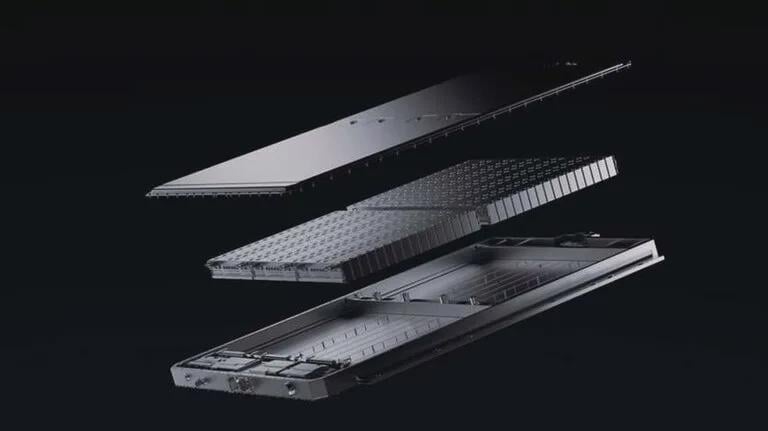
One more nail in the fossil fuel coffin. CATL has launched fast-charging sodium batteries for vans and trucks that they say will be much cheaper than lithium batteries, as they'll last far longer.
byu/lughnasadh inFuturology
5 Comments
Is this solely for vehicles or can this be useful for Grid storage also ?
Chinese company though! Better wait for alterantives.
How current lithium ion batteries are cheaper than gas?
That said, sodium batteries are great. Readily available materials, much cheaper, not as toxic, supply chains not owned by whoever wins the geographic lottery.
This isn’t just “another battery headline.”
Cheaper, safer chemistries like sodium-ion + improved LFP matter because they push EVs and grid storage past the total cost tipping point. Once electrification is cheaper and reliable at scale (fleets, trucks, storage), fossil fuels lose on economics, beyond just emissions. That’s the real coffin nail
Sodium batteries being much safer, lower cost and much more resilient to charge and discharge cycles just makes them a peerless option for some applications. Also sodium is widely available in every corner of the planet so scaling up production pretty much everywhere is likely to mean that mass production of this stuff is easier too.