
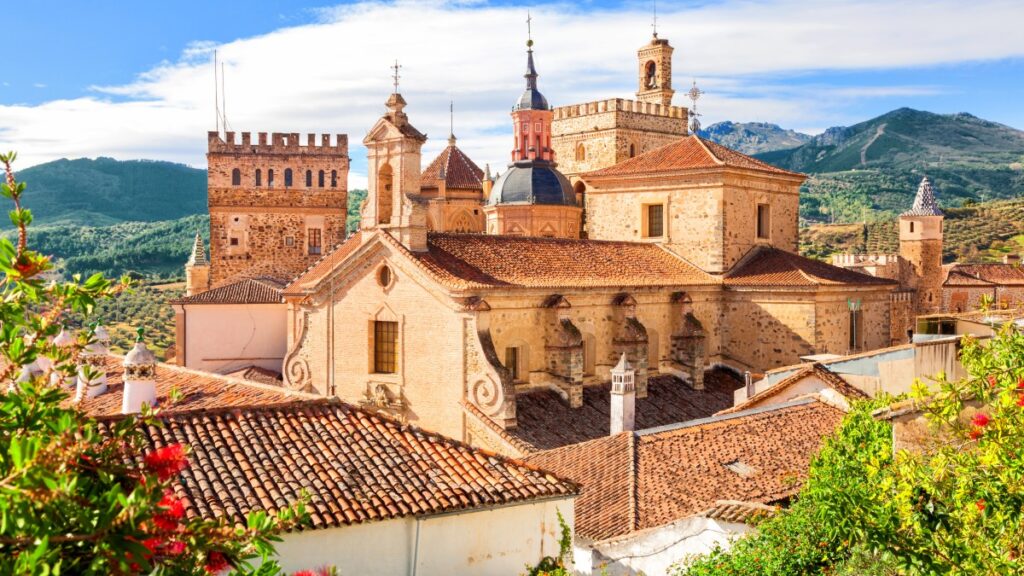
Think you know Spain? Think again. That’s the challenge laid down by Spanish tourist board TurEspaña for the coming year. Rising to that challenge doesn’t necessarily involve swerving destinations beginning with B, but if all you know is Barcelona, Benidorm and Benicassim, you probably don’t know Spain as well as you could.
Nearly 19 million British tourists visited Spain last year and the Spanish TV channel RTVE has used anonymised mobile phone data to pinpoint exactly where we went. We’re smeared in red on the map, like ketchup around the edge of a plate, and in many places — Nerja, Mijas, Mojacar, Javea and Ibiza, for example — we outnumber the locals. Google “RTVE mapa turismo” to see for yourself.
The same goes for Portugal, where they’ve long been happy to give us the Algarve, Lisbon and Porto and keep the best places to stay to themselves. That’s not saying that everywhere in España Vacia and Portugal Secreto is gorgeous: they do godforsaken very well too, but when you step off the beaten track you’ll find the delight always outweighs the disappointment.
So here are 20 suggestions for extraordinary holidays in Spain and Portugal. None is on the Costa del Ketchup.
1. A stylish stay in Menorca

A room at Vestige Binidufa
The Vestige Collection is the luxury hotel chain run by Maria Obdulia Fernández and Marta Madera: a mother and daughter team who specialise in turning crumbling heritage properties into extremely comfortable places to stay. Vestige Binidufa is the latest opening in this fast-growing brand (there are openings in Formentera and in Namibia later in 2026): an 18th-century finca in a remote valley in the north of Menorca. Sister hotel to Son Ermita, up the hill, Binidufa opens in May 2026 with 11 rooms and suites, two restaurants and activities including yoga, riding, boat trips and picnics. As for the interiors, you can imagine what a pair of minted Madrileñas with exquisite taste have done.
Details B&B doubles from £516 (vestigecollection.com). Fly to Menorca
2. Coasting the Costa
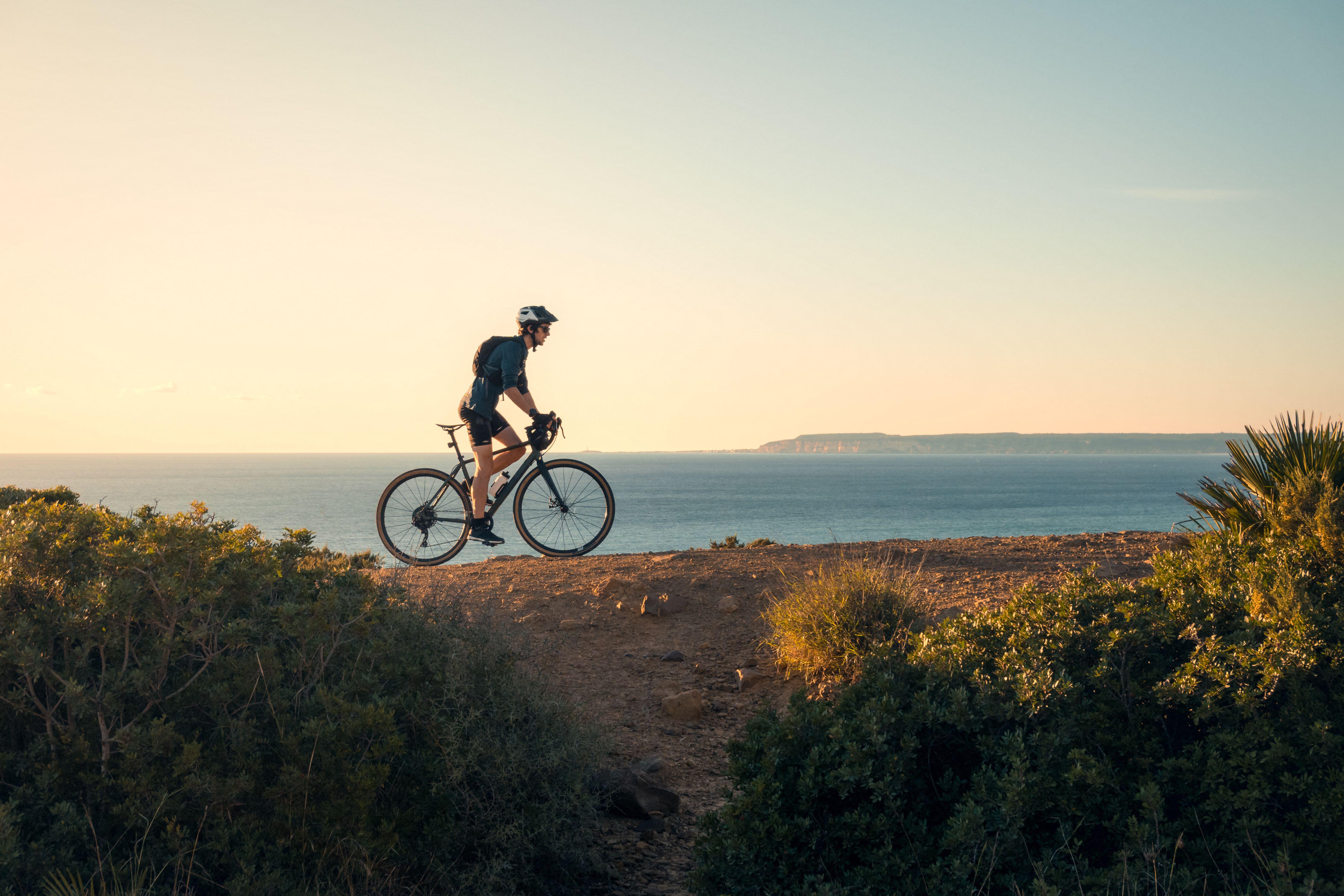
Riding at Zahara de los Atunes
ALAMY
New for 2026 from Saddle Skedaddle is a hugely enticing eight-day trip up the Costa de la Luz — that’s Spain’s wild Atlantic coast — that you do either as part of a group departure or as a self-guided trip. It begins in Tarifa, from where Africa seems to tower above you, then heads north up through pine forests and mountainous dunes to Zahara de los Atunes; up the Barbate River to the eponymous fishing port — home of Spain’s tuna fleet — and on to the foodie expat enclave of Vejer de la Frontera. Covering between 16 and 31 miles a day on mainly flat cycle paths and back roads, you’ll visit Conil, Cadiz and Chipiona — and all the gorgeous beaches in between — before turning right up the Guadalquivir River to San Lucar de Barrameda and finally Jerez de la Frontera: home of sherry and flamenco. Accommodation is in heritage hotels.
Details Seven nights’ B&B from £1,595pp self-guided or £2,225pp with guide, including luggage transfers (skedaddle.com). Fly to Gibraltar and from Jerez
3. Spain by luxury train
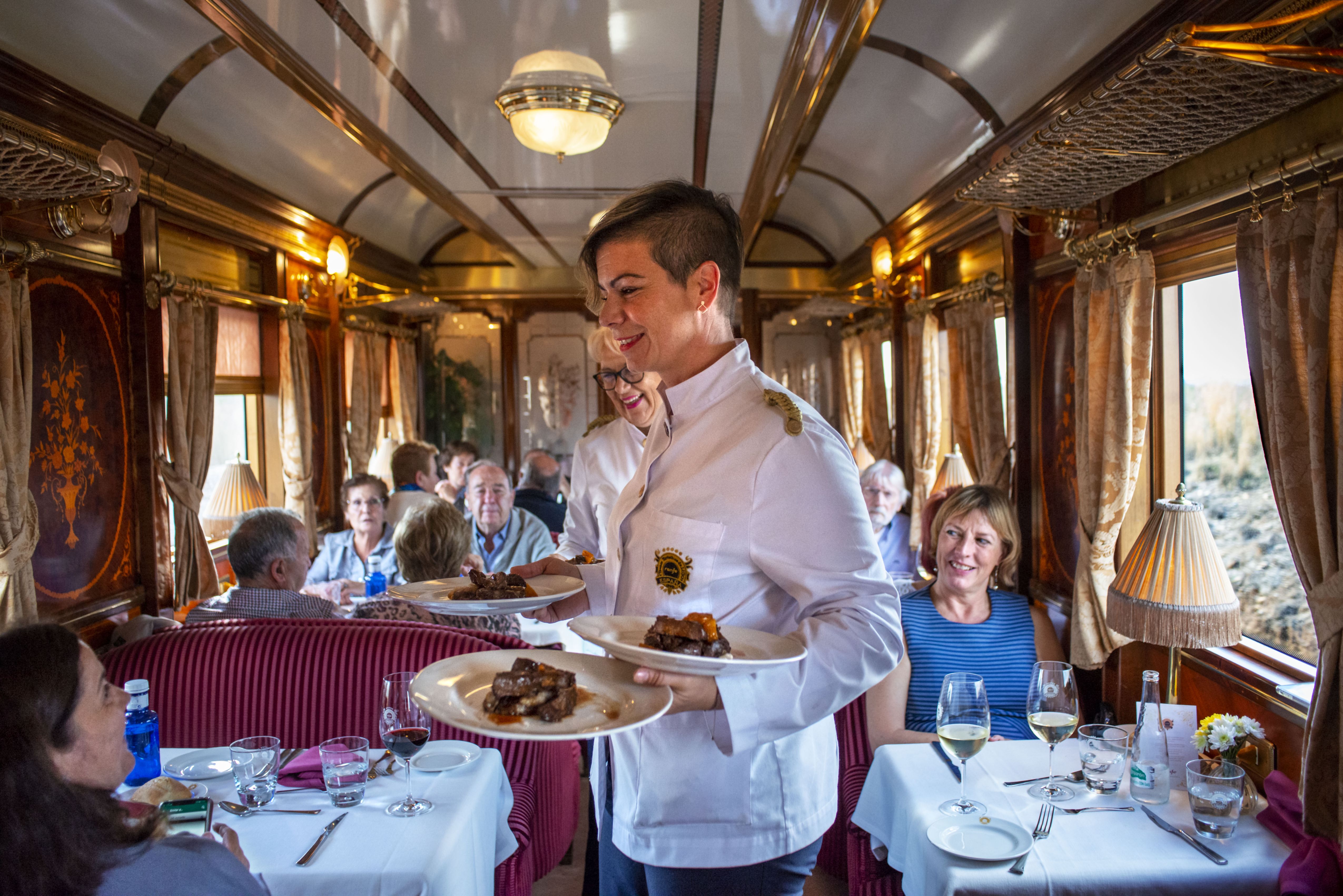
Dining on the Al Andalus train
SERGI REBOREDO/VWPICS/UNIVERSAL IMAGES GROUP/GETTY IMAGES
In 1939 Spanish State Railways bought a couple of old carriages from LNER, but they weren’t any old carriages. These were the luxury coaches built in Doncaster in 1908 to transport the British royals through France for their summer holidays on the Côte d’Azur, and were quickly repurposed to take General Franco on tours of Spain. In 1985, ten years after the dictator’s death, they became the core of the Al Andalus luxury tourist train, taking lovers of comfort on slow journeys between Granada, Cordoba and Seville, but new for 2026 is a run to the capital. It’s a meandering route, heading first east to Cordoba, then west to Cadiz and Jerez de la Frontera for the dancing horses; north into Extremadura for the Roman treasures of Caceres and Merida; east across the Buñuelesque vastness of Los Cabañeros to Toledo, then a short hop north to Madrid. Expect dinner in the diner and guided tours at every stop.
Details Eight nights’ full board from £6,390pp, including train travel, excursions and tours (theluxuryholidaycompany.com). Fly to Seville and from Madrid
4. Sol y sombre by ship
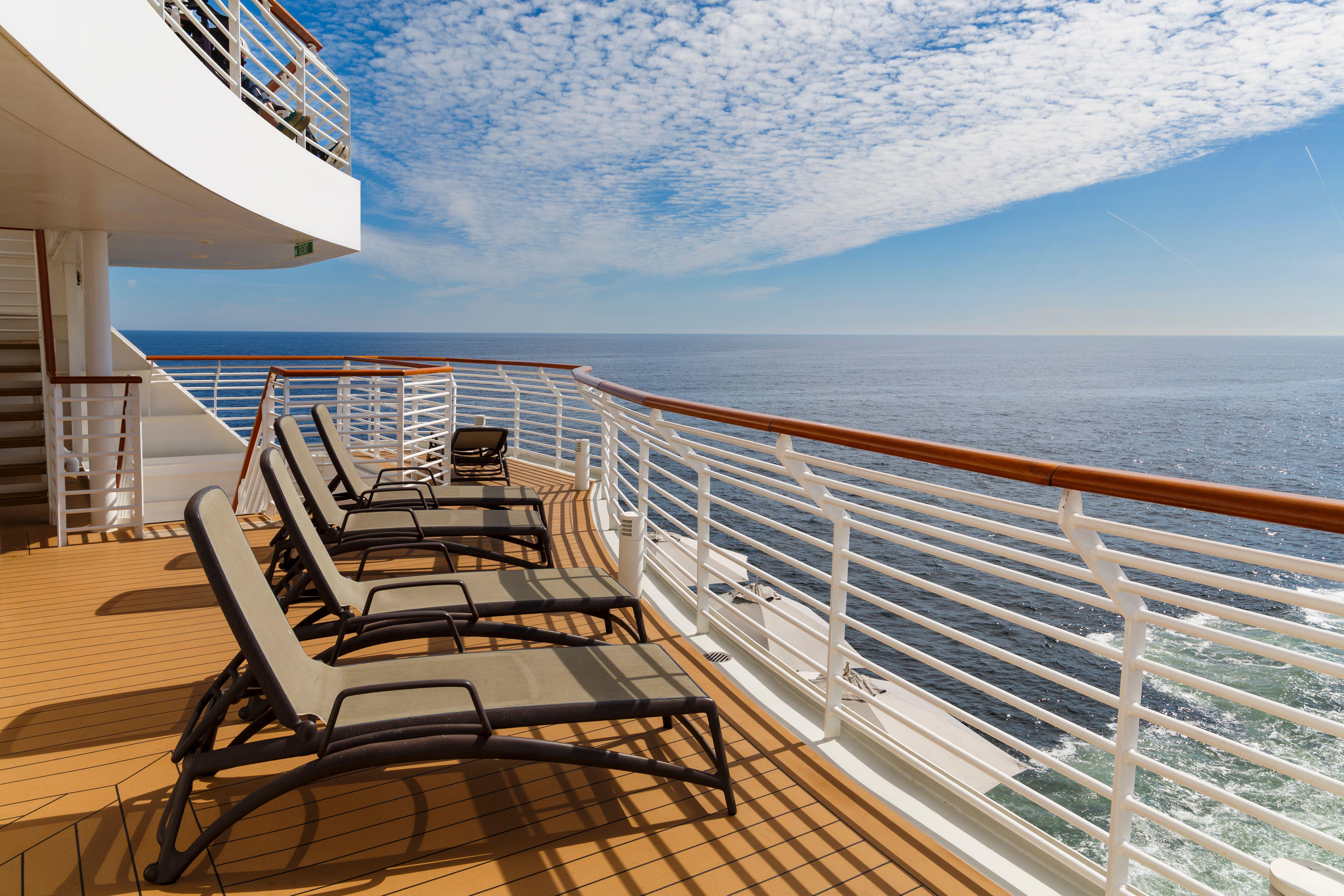
Aboard the Spirit of Adventure
ALAMY
On August 12, 2026, an eclipse of the sun will turn day into night along a path of totality curving from Greenland, across the North Atlantic and into Spain, where, given clear skies, the cities of Oviedo (7.31pm), Burgos (7.33pm), Castellon de la Planta (7.37pm) and Palma (7.38pm) will experience the chill and silence that lies within the shadow of the moon for an eerie one minute and 36 seconds. All are fairly easy to reach for a short stay — there are direct flights from the UK to Castellon, Oviedo and Palma — but if you want to make a holiday out of it you can step aboard the Spirit of Adventure at Dover for a 14-night cruise via the Isles of Scilly, Brest, Bordeaux and Bilbao, arriving off the Asturian coast in time to be plunged into darkness on August 12. Then it’s Vigo, El Ferrol, Gijon and home.
Details Fourteen nights’ all-inclusive from £5,499pp, departing on August 5 (travel.saga.co.uk)
5. Spanish surf city
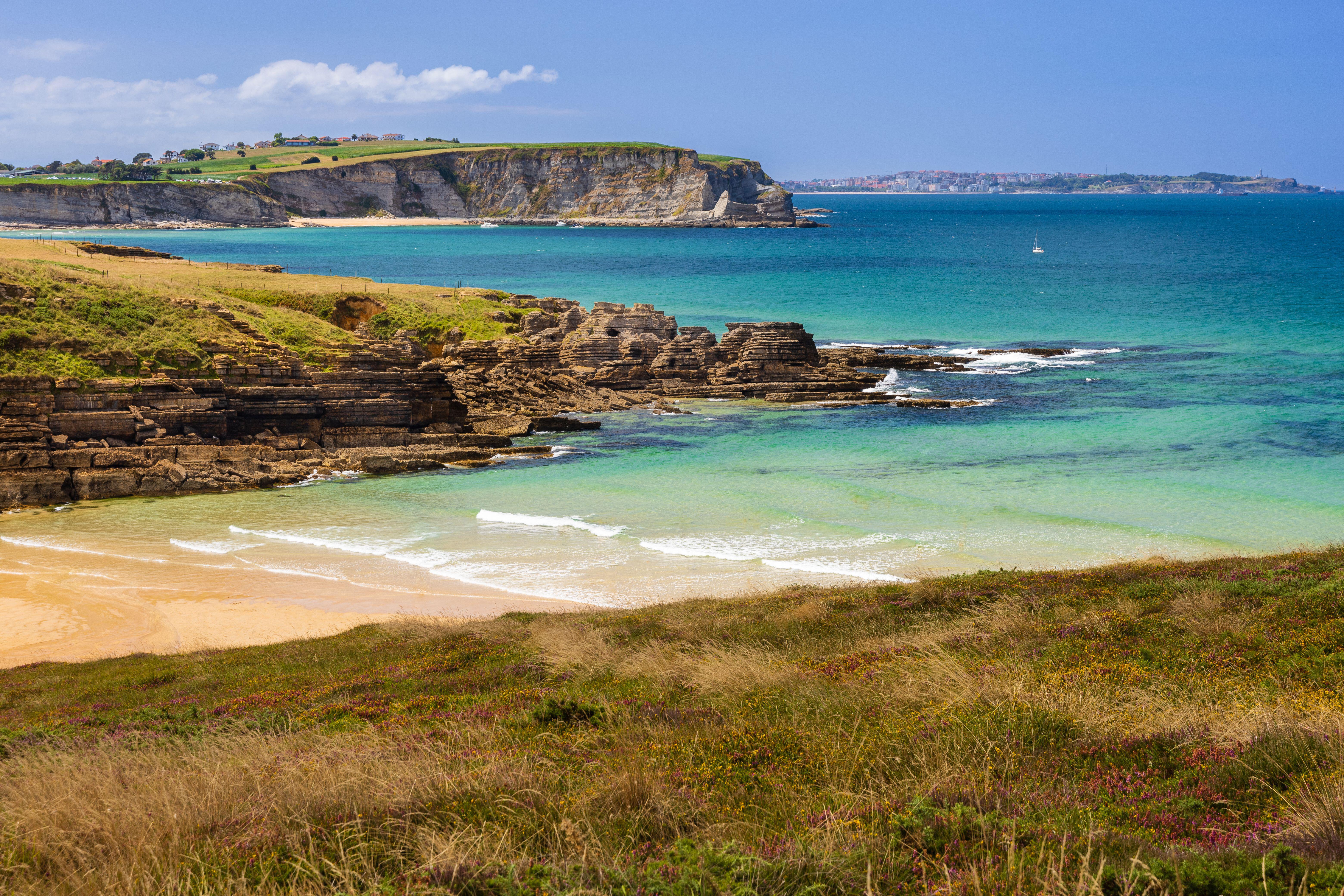
Ribamontan al Mar, on the east side of Cantabria’s Bay of Santander, is Spain’s first internationally recognised surf reserve. Its west-facing beaches — the playas de Somo, Loredo, Tranquilo, Langre, Galizano and El Puntal — catch swells for 300 days of the year, ranging from benign beach breaks to the big waves off the island of Santa Marina. Ribamontan has 16 surf schools, ten surf stores and three shapers, and holds 20-odd national and international competitions per year. The AWA Surf School in Somo — the main resort here — offers five-day beginners’ courses for a bargain £130pp, including two hours’ tuition, boards and wetsuits, and the couples’ course is the same price (awasurf.es). Stay at the Hotel Bemon Playa: built for surfers and five minutes from the beach.
Details B&B doubles from £65 (bemonplaya.com). Fly or take the ferry to Santander
6. Balloon over Segovia

Ballooning over Alcázar of Segovia
JOSE FUSTE RAGA/PRISMA BY DUKAS
Two hours’ train ride northwest of Madrid lies Segovia: a city of marvels bestridden by a Roman aqueduct that was once 11 miles long, comprising 24,000 hand-cut granite blocks constructed without cement in less time than it took 21st-century UK not to build HS2. The second-best view is from the top of the Postigo step round the back of the Segovia Tourist Office in the Plaza del Azoguejo. The top view is from the basket of six-times Spanish ballooning champion Javier Tarno’s hot-air balloon on a one-hour sunrise flight over the Unesco-listed city (from £178pp; globosboreal.com). From here you see the aqueduct, the Disneyesque alcazar and the cathedral at their most spectacular, and you’ll be back in time for lunch, which is cochinillo de Segovia: slow-roasted, milk-fed suckling pig on a bed of fried potatoes with a bottle of ribera del duero. Every restaurant in town claims to be the best but, after years of research, I think the finest is Casa Duque (£27; restauranteduque.es). See Segovia as part of a new eight-day escorted tour from Newmarket Holidays, also visiting Madrid, Toledo and Salamanca.
Details Seven nights’ B&B from £1,812pp, including flights departing on various dates (newmarketholidays.co.uk)
7. Secret canyons in the north

The Pedrosa de Tobalina natural swimming pool
ALAMY
In northern Castile and Leon there’s a playground that even few Spanish even know about: a region of caves, canyons, pools and waterfalls that’s the Spanish equivalent of France’s Ardèche, only without the mass tourism. This is the Las Merindades: a vast natural waterpark hidden in the cracks between Burgos and the Cantabrian Mountains that’s home to the Ojo Guareña — Spain’s biggest cave complex with paintings to match those of Sri Lanka’s Dambulla — and the Pedrosa de Tobalina: a jade-green natural swimming pool beneath a 15m waterfall. There’s fabulous rafting and kayaking in Rudron canyon and hikes ranging from riverside strolls to hardcore scrambles, but because no British tour operator seems to have a clue about the place you’ll have to explore independently. The local tourist board website is the place to find accommodation and adventure tour operators (turismocastillayleon.com), but I can recommend the Hotel Rural Torre de los Templarios in Herran: a 14th-century tower with extraordinary medieval frescoes.
Details B&B doubles from £95 (hotel-rural-torre-de-los-templarios.amenitiz.io). Fly to Bilbao
8. Like paradors but better
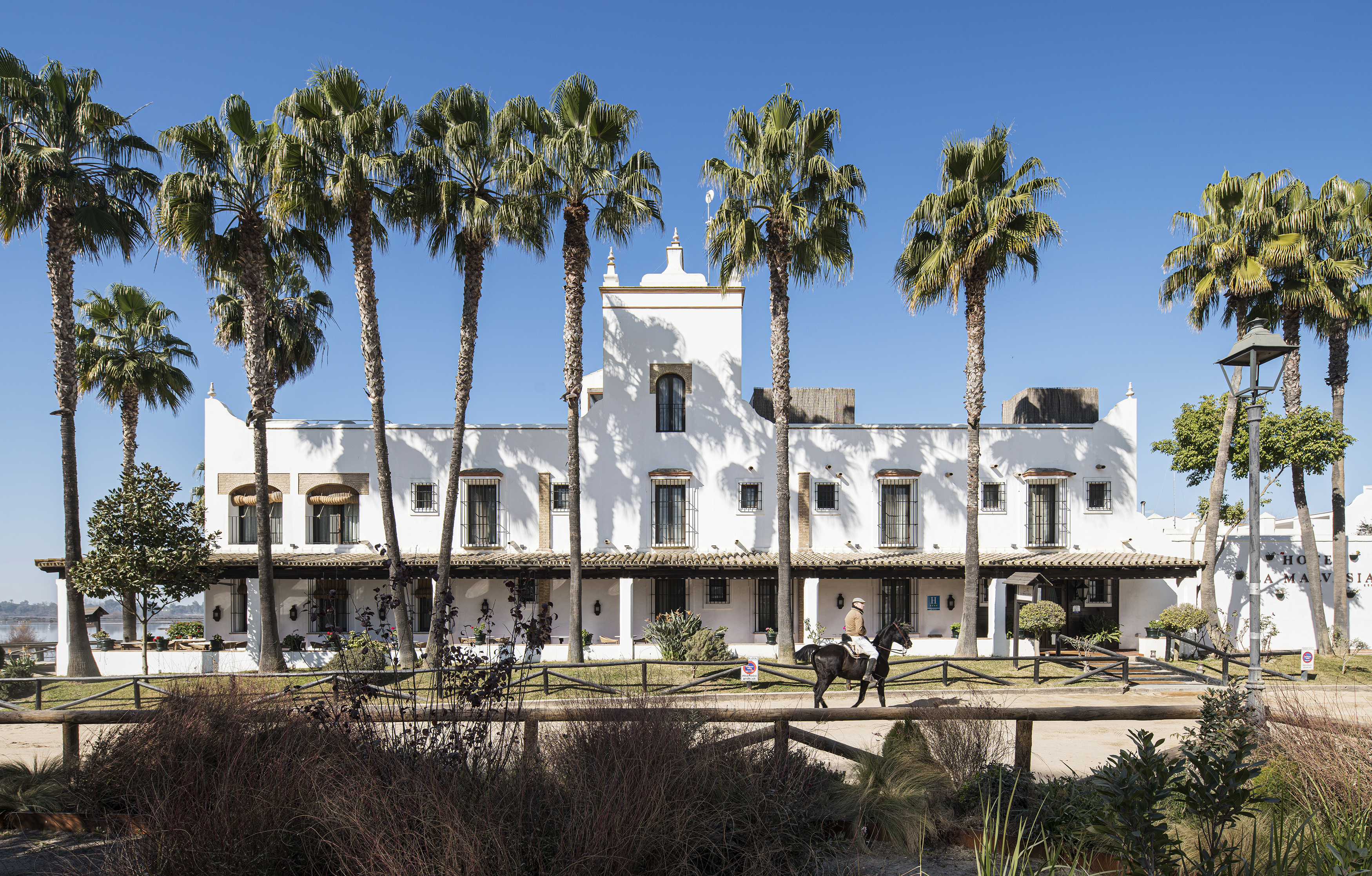
La Malvasia in the village of El Rocio
JUAN CARLOS LAGARES CÁCERES
If you’ve ever stayed in any of the historic buildings known as paradors run as hotels by the Spanish state you’ll know that they can be let down by the service. Luckily, the Authentic Heritage collection, founded by the hotelier Rafael Pérez Navazo, offers a reasonably priced private sector alternative. There are a dozen properties in the portfolio ranging from Jerez de la Frontera to Ibiza, but the most passionately, essentially Spanish of them all is possibly La Malvasia in the village of El Rocio in the Doñana National Park in Andalusia’s southwest. Named after the local grape, this 32-room restored cortijo, or traditional manor house, at the edge of a lake where flamingos gather will be one of the most peaceful spots in Spain for 360 days of the year. The other five will be insane as about 900,000 pilgrims arrive over Whitsun week to sing, dance, feast and to seek miraculous interventions from the mysterious Virgin of El Rocio. One miracle would be getting a room at La Malvasia for that party.
Details B&B doubles from £121 (authentic-heritage.com). Fly to Jerez
9. Good here for the rosés
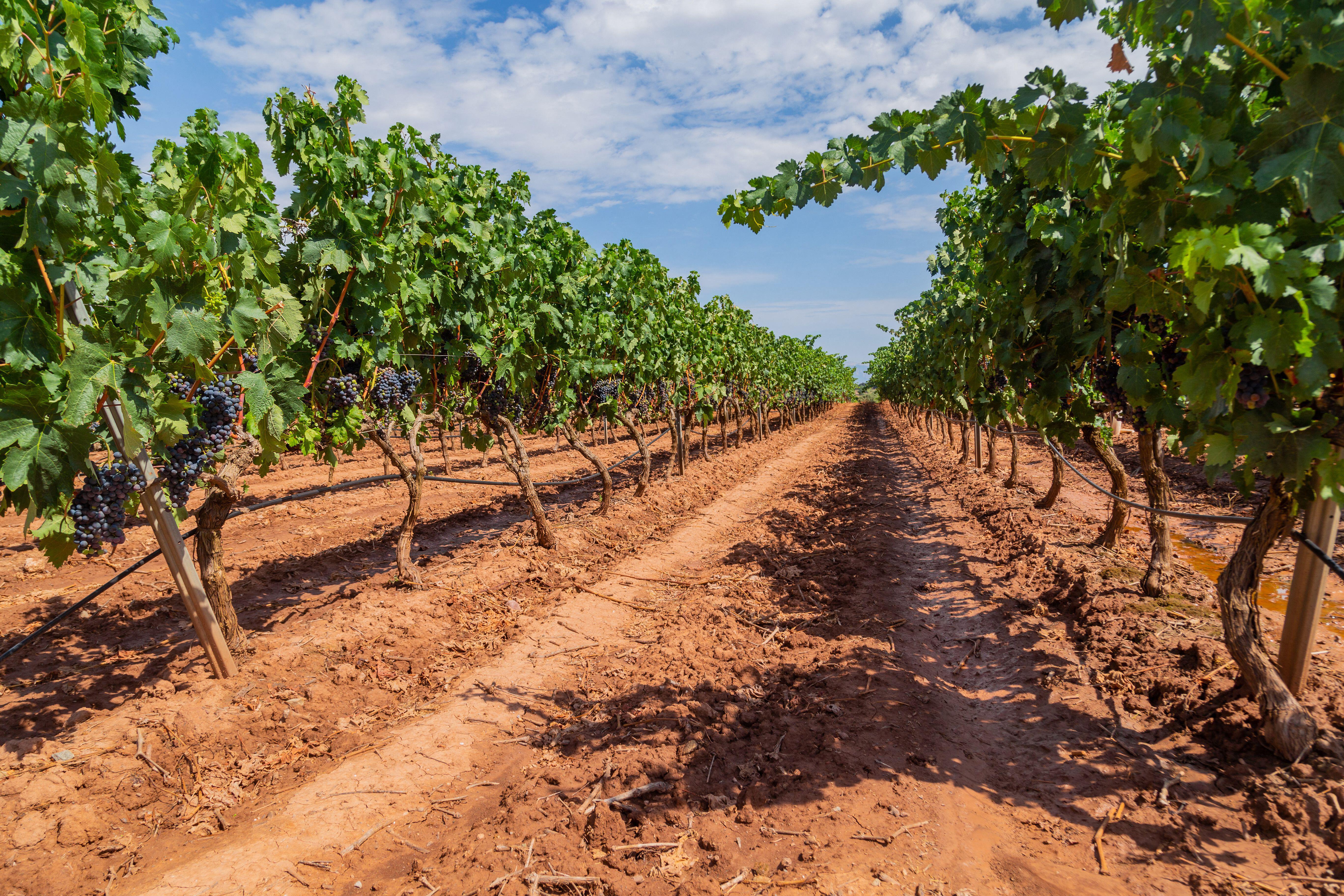
Vineyards at Navarre
ALAMY
“Think you know Spain?” In the context of Navarre, the answer is almost certainly no. This is the other Basque country with the snow-capped Pyrenees in the north, the stark Bardenas Reales desert in the south and vineyards in between that produce Spain’s finest rosés. It’s also home to the descendants of the Agotes: a maligned race said by some to be descended from brickies cursed by God for their shoddy work on the Temple of Solomon. Discrimination and suspicion fostered a strong sense of community in the magical green valleys around Baztan, where folk spoke of akelarres, or witches’ sabbaths, taking place under a moon that seems closer here. Try the Agot — the region’s single malt whisky (basquemoonshiners.es) — before heading into the DO Navarra wine country. If you like Hemingway, it’s room 201 at Pamplona’s Hotel La Perla you need to book. Expressions Holidays offers an eight-day, tailor-made self-drive taking in all of the above.
Details Seven nights’ B&B from £1,980pp, including flights and car hire (expressionsholidays.co.uk)
10. The Camino Ingles

At 73 miles the Camino Ingles is one of the shortest pilgrimages to Santiago qualifying for the Compostela certificate and, in a Jubilee or a Jacobean year (2027 is the next one), the expiation of all your sins. It’s so-named because it was the route of choice for medieval English pilgrims, and, like them, you’ll begin in the port of Ferrol — birthplace of Franco but charming nonetheless — before following the scallop-shell signage south, via the fishing village Pontedeume and along the gorgeous coastal path to Betanzos before swinging inland via Carral, Poulo and O Pedrouzo to Santiago de Compostela. What you might notice, apart from the beauty of the Galician coast and countryside, is the lack of fellow pilgrims, and while meeting interesting people from all over the world is said to be one of the delights of the Camino, it’s not, so cherish the solitude. Accommodation is in simple hotels and casas rurales.
Details Eight nights’ B&B from £1,252pp, including some extra meals (inntravel.com). Fly to Santiago de Compostela or La Coruña
11. Spa in Solares

Castilla Termal in Solares
LUTTON GANT
Back in the good old days when you were burnt out, stressed out or, indeed, on the way out, you might have been sent to a state-owned seaside sanatorium for rest and recuperation. Such facilities still exist across eastern Europe in varying degrees of austerity, but the Spanish version, predictably, is much more fun. The Castilla Termal in Solares, just south of Santander and 15 minutes from some gorgeous Cantabrian beaches, is a belle époque spa hotel that looks as if it was carved from icing. It’s the most modern property of the four owned and operated by the Spanish luxury chain Castilla Termal Hoteles, offering recuperative programmes lasting from two days to two weeks and priced from £202 to £1,544 in a vast thermal spa complex fed from the same course as the Solares mineral water company.
Details B&B doubles from £125 (castillatermal.com) Fly to Santander
12. Exploring Extremadura

The old town of Caceres
SANTIAGO URQUIJO/GETTY IMAGES
The autonomous community of Extremadura is another little-known Spanish region, squeezed between Portugal and the rest of Spain. The name means “Beyond the Douro River”, which is another way of saying back of beyond and describes a place the conquering Christians could never really be bothered with. That left it wild, dirt poor (Buñuel’s startling Tierra Sin Pan (Land Without Bread) was filmed here in 1932), and culturally unique: an ancient Iberia that’s neither Spanish nor Portuguese. The Roman ruins of Caceres and Merida and the nouveau riche mansions of the conquistadors in Trujillo are becoming better known now, and more tourists are discovering the fantasy landscapes of Las Villuercas, but unlike any other part of a country I’ve been exploring for 40 years, there remains much about Extremadura that I can’t nail down. Your chance comes on a ten-day group tour led by the Hispanophile Chris Moss.
Details Nine nights’ half-board from £3,620pp, including flights departing on April 9 (martinrandall.com)
13. Vino, vidi, vici
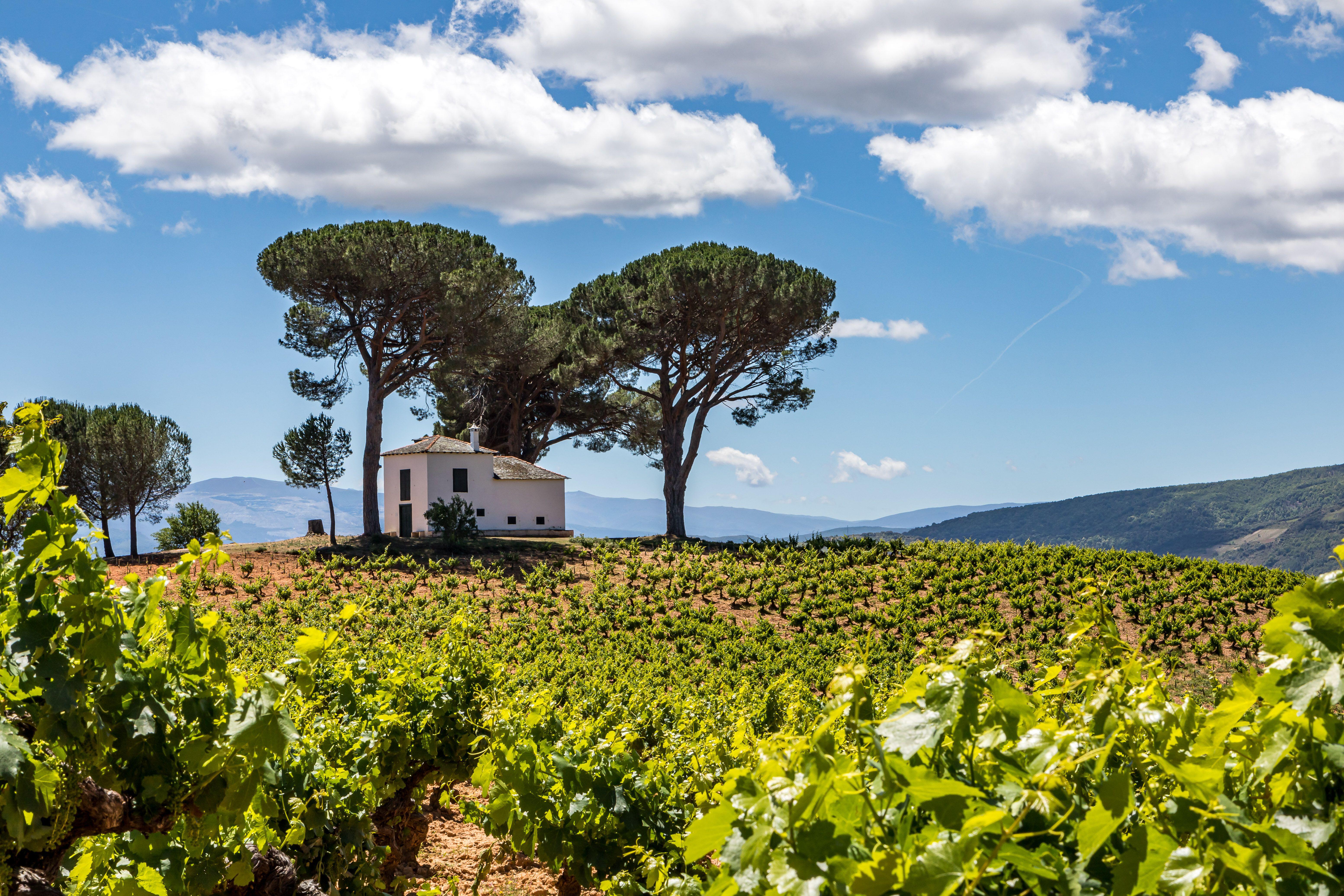
Cantarina Vinos de Familia winery in Bierzo, Spain
ALAMY
Spain produced 31.5 million hectolitres of wine in 2025 according to the International Organisation of Vine and Wine. Portugal produced 5.9 million hectolitres, making a total, by my reckoning, of 4.7 billion bottles. They came from Spain’s 70 Denominaciones de Origen (DOs), and Portugal’s 31 Denominaciones de Origen Protegida (DOPs) but don’t include the many millions of litres made and bottled for consumption en casa. If you, like me, don’t consider it odd to want to visit every one of those DOs and DOPs, here’s a 12-day self-drive during which you could buy bottles from at least 15, and as many as 19, areas. It’s a round trip from Porto up through Vinho Verde; potentially taking in Chaves and Valpacos, then over the border via Rias Baixas, Ribeiro, Ribeira Sacra and Monterei. Use the brilliant pequenasdos.com as your guide to the most interesting DOs as you visit Bierzo, Tierra de Leon, Rueda, Toro, Cigales and, if there’s time, tiny Arribes before looping back to Porto through Douro and Tavora-Varosa. Accommodation is in three or four-star hotels and remember you can only bring 24 bottles each back home through customs.
Details Twelve nights’ B&B from £1,650pp, including car hire (caminos.co.uk). Fly to Porto
14. See the Bienal de Flamenco in Seville

Flamenco dancers performing in Seville
AITOR ALCALDE COLOMER/GETTY IMAGES
It’s hard to think of any other musical genre that has become so synonymous with the national identity in so short a time as flamenco, and we have Franco to thank for that. Until he dictated that dancers should perform Sevillanas at the Spanish tourism stand at New York’s 1964 World Fair, flamenco was to the Spanish middle classes what Sleaford Mods are to today’s Coldplay fans: uneasy listening intelligible only to the marginalised. Now, 62 years later, the art form is stronger than ever and a cornerstone of the tourist economy in Seville. The Bienal, now the world’s most important celebration of the art, runs from September 9 to October 3, and the director Luis Ybarra says this 24th edition will see “flamenco stripped of artifice to show its universal power”. The schedule will be published at labienal.com in coming months — in the meantime, book your hotel. I like the maze-like Hotel Las Casas de La Juderia in the Casco Antiguo.
Details B&B doubles from £155 (lascasasdelajuderiasevilla.com). Fly to Seville
15. Bodegas and tabancos of Jerez
Inside Tabanco las Banderillas, Jerez de la Frontera
ALAMY
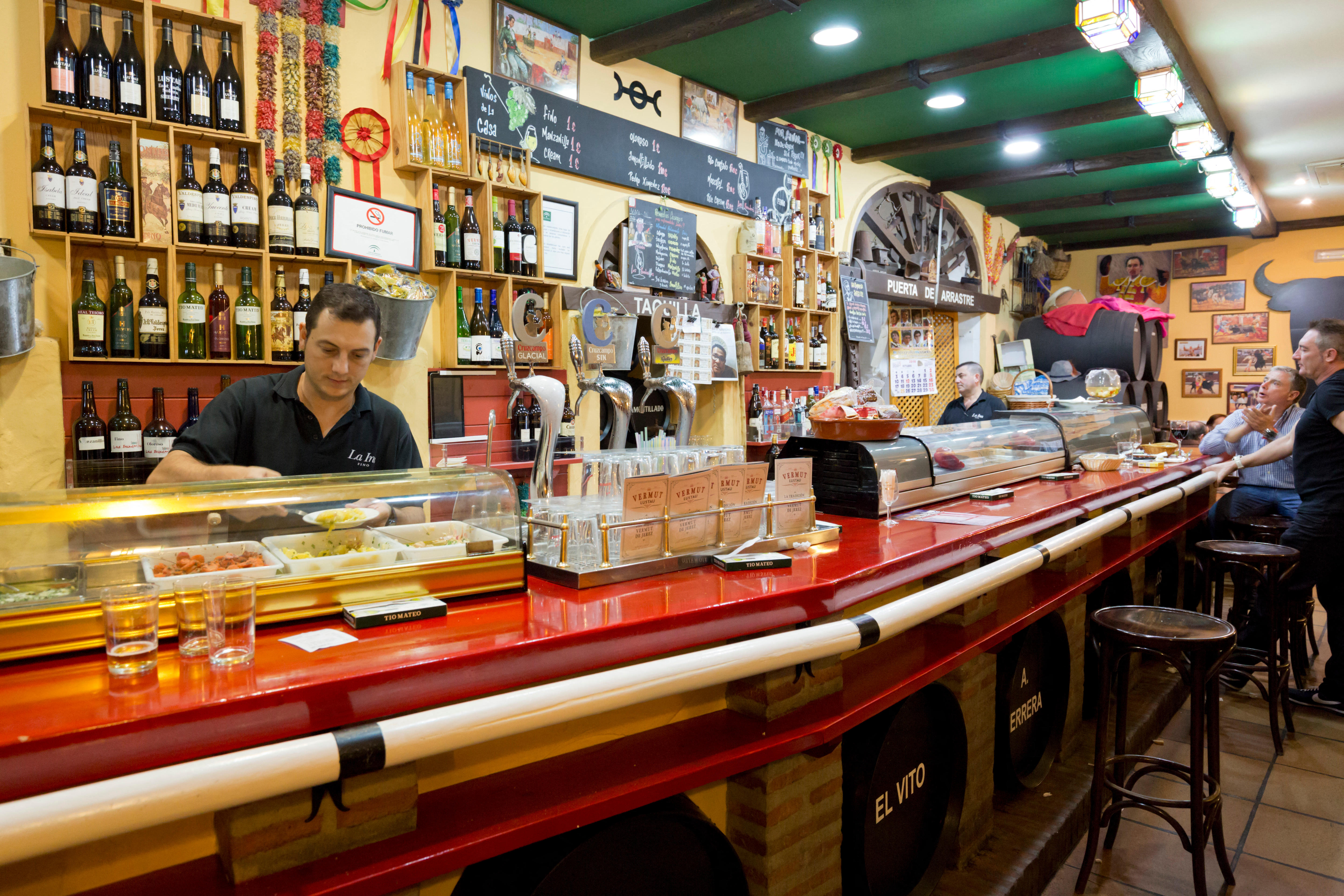
There are many in Jerez who question Seville’s claim to be the cradle of flamenco, arguing that the two dominant styles were born on the north and south sides of their town. This year, though, they’re focused on being Spain’s Capital of Gastronomy: a long-overdue accolade. Everyone knows about the sherry bodegas: 29 of them, their eaves open to the flor-bearing breezes and the criaderas ageing elegantly on the sandy floors. Everybody knows, too, about the tabancos, as the tapas bars are called here: Bar Juanito’s for the albondigas — meatballs; Las Banderillas for the rabo de toro, or oxtail; and Tabanco El Guitarron de San Pedro for the eight tapas menu — each served with a different sherry — for £18. Lesser-known are the mostos: seasonal bars trading from mid-October to March in surrounding villages that serve vinos mostos (new wines) straight from the barrel, accompanied by seasonal dishes such as ajo caliente — a thick garlic soup; asparagus rice; and the pork and chickpea stew called berza Jerezana. Try El Corregidor Viejo in Cañada del Moro; Mosto Candelero on the Sanlucar road; and the Asador Mosto Santa Teresa in Guadalcacin up by the airport. Stay at Seville’s Palacio del Virrey Laserna: a 13th-century, antique-furnished palace with six guest rooms and a pool.
Details Room-only doubles from £78 (palaciodelvirreylaserna.com). Fly to Jerez
16. Primavera Sound in Barcelona

Robert Smith of the Cure, who are playing at Primavera Sound
JASON SQUIRES/FILMMAGIC/GETTY IMAGES
The line-up for 2026 edition of Barcelona’s blockbusting five-day festival includes the xx, Mac de Marco, Little Simz, Anna von Hausswolff, Yard Act, Viagra Boys, Father John Misty and a headline act called the Cure among a playbill of nearly 150 performers. Running from June 3 to 7, the festival takes place in the concrete precincts of the Parc del Forum in the northern suburb of Sant Adria de Besos: eight stops up the yellow line (L4) from Urquinaona station in the city centre. You wouldn’t want to stay out there though, so pick somewhere downtown near a L4 station like Hotel La Ciudadela: simple, cheap and well located close to El Born and a 15-minute walk through the park to the Vila Olympica metro.
Details Room-only doubles from £130 (ciudadelaparc.com); festival tickets from £108 (primaverasound.com). Fly to Barcelona
17. Cheapo Picos

The Ruta del Cares trail in Picos de Europa National Park
ALAMY
New for 2026 from the hiking specialist Walks Worldwide is an eight-day, self-guided exploration of the karst wonderland that is the Picos de Europa mountain range. Spending three nights in the Hotel Picos de Europa in Cabrales, where the cheese of that name is aged in limestone caves, and four nights in the Hotel Sotres in the mountain village of the same name, you’ll embark on six hikes of between 6 and 11 miles, with an option to walk the dramatic 15-mile Cares Gorge route on your last day. Digital route guides are provided but, as ever, you should ask for hard copies as back-up in case your phone dies. The prettiest view of all on this trip is the price tag.
Details Seven nights’ B&B from £595pp, including some other meals and luggage transfers (walksworldwide.com) Fly or take the ferry to to Santander
Portugal18. Soul & Surf’s new home
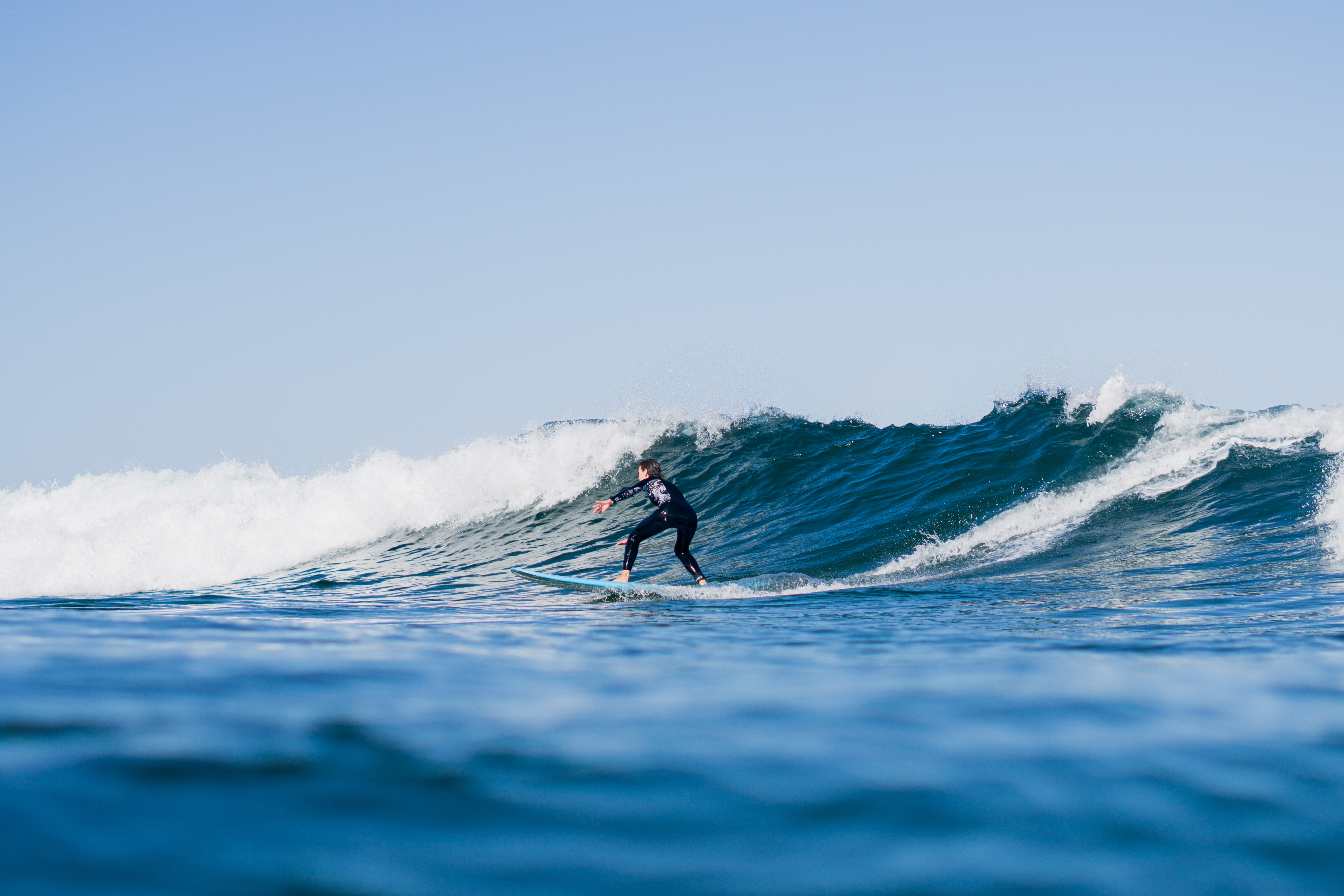
Soul & Surf celebrates its fifteenth anniversary this year
The yoga and surf retreat Soul & Surf turns 15 this year and is marking the occasion with the opening of a new Portuguese base six miles west and a lot closer to the ocean than the old place outside Lagos. The formula remains the same: living life in the moment, being ethical, reducing impacts, downward dogs and catching waves according to a manifesto. If that sounds a bit like a bunch of tie-dyed, carrot-crunching SoCal hippies, well, what else did you expect from a place called Soul & Surf? A week’s retreat includes five surf lessons, five yoga classes and five Soul of Surfing workshops. And yes, you can have a drink.
Details Seven nights’ full board from £1,020pp (soulandsurf.com) Fly to Faro
19. Chic stay above the Douro river

When Alexandra Martins went on riverside walks with her dad when was a girl she had a dream about turning an abandoned hamlet on a hillside above the Douro into a hotel. Years later, as the school and each of the seven houses went on the market, she bought them and last September the dream came true. One of her priorities was to plant a grove of lemon trees to make limoncello, her father’s favourite drink. Others were to convert the school house, mine house, olive mill and other derelict dwellings into 20 unique hotel rooms all with views of the river and beach below and a mix of shared and private pools. There’s a restaurant serving local specialities — lamprey rice if you’re lucky — and the chef can come to your villa if you prefer; all the toys necessary to make the most of the Douro; and, most importantly, a wine shop.
Details B&B doubles from £133 (dajasdourovalley.com). Fly to Porto
20. Putting Louboutin
The story goes that a few years ago the French shoe designer Christian Louboutin had a fall at his home in Comporta and passed through the village of Melides on his way to A&E in Santiago do Cacem. He was so taken by Melides’ charm that he built his first hotel there: the fabulously chintzy Hotel Vermelho Melides with a restaurant called Xtian. That should have been that but then he noticed the abandoned hotel project down the beach road. This spring that 40-year-old eyesore opens as Vermelho Lagoa: a ten-room boutique property with views over the lagoon, a spa, a residents’-only restaurant and, undoubtedly, a waiting list as long as your arm. Room rates are yet to be announced but for an idea of what to expect, B&B doubles at Vermelho Melides cost about £320 a night.
Details £TBA (vermelhohotel.com). Fly to Lisbon
21. A coastal pilgrimage from Porto

The 170-mile route from Porto finishes at Santiago de Compostela in Spain
GETTY
With a lower cost of living, better weather and, arguably, the prettiest route, the Camino Portugues runs for 385 miles from Lisbon to Santiago de Compostela. This gentle walk fell into obscurity after shepherd kids Lucia, Francisco and Jacinta saw the Virgin six times in 1917 and turned Fatima into Portugal’s pilgrimage of choice. But this new departure shows that the Portuguese route is coming back into fashion, covering the last 170 miles from Porto to the shrine. You walk beside the sea for nine days, only turning inland after Vigo, so I’d argue you need more strength of character than the average pilgrim to resist the temptation of all the gorgeous beaches and enticing fish restaurants you’ll walk past. Accommodation is in simple, comfortable hotels and guesthouses.
Details Thirteen nights — five B&B and eight half-board — from £1,299pp (headwater.com). Fly to Porto and from Santiago de Compostela