
Published on
January 27, 2026
Switzerland joins Finland, the Netherlands, Italy, Iceland, Denmark, Croatia, and more nations in reshaping European travel because unchecked visitor growth in concentrated hotspots is overwhelming local communities, fragile ecosystems, housing markets, and historic centres, leaving governments little choice but to introduce tourist taxes, cruise caps, visitor limits, and rental regulations to ease overtourism pressure and protect Europe’s long-term sustainability. Across Europe, the return of mass travel after the pandemic has exposed the limits of destinations that were never designed to absorb millions of short-stay visitors at the same time. Viral social media trends, cruise tourism, low-cost air connectivity, and the explosive growth of short-term rentals have funnelled travellers into the same cities, islands, alpine villages, and heritage zones, often for just a few hours, leaving behind congestion, rising rents, environmental damage, and growing local resistance.
What makes the current moment different is the response. Governments are no longer relying on awareness campaigns or voluntary codes of conduct. Instead, they are turning to pricing, regulation, and enforcement as core tourism management tools. From entry fees and cruise passenger caps to strict rental rules and behaviour-based fines, Europe is redefining what responsible travel looks like in practice. Switzerland’s alignment with this shift signals that overtourism is no longer a problem of the Mediterranean alone—it is a continent-wide challenge that is reshaping the future of how Europe welcomes, manages, and limits tourism.
Europe’s tourism model is undergoing a quiet but profound transformation. In 2025, overtourism is no longer dismissed as a seasonal inconvenience or the price of popularity. It is increasingly viewed as a structural threat—one that strains housing markets, overwhelms transport systems, damages fragile ecosystems, and erodes the everyday lives of local communities.
Against this backdrop, Switzerland’s recent actions mark an important shift. Long regarded as a country where tourism and order coexisted effortlessly, Switzerland has now joined Finland, the Netherlands, Italy, Iceland, Denmark, Croatia, and other European nations in actively reshaping how tourism is managed. Across the continent, governments are deploying tourist taxes, cruise caps, visitor limits, rental regulations, and enforceable fines to restore balance.
This is not a retreat from tourism. It is a recalibration of power between destinations and demand.
Switzerland tightens control in alpine villages and historic cities
Switzerland’s response reflects its political DNA: decentralised, precise, and grounded in local realities. Federal authorities continue to frame overtourism as a problem of specific locations and peak moments, rather than a nationwide emergency. Yet the measures implemented at the municipal level reveal a growing willingness to intervene firmly.
Advertisement
Advertisement
In Iseltwald, a lakeside village suddenly thrust into global fame, the pressure was immediate and intense. What was once a quiet community became a brief photo stop for busloads of visitors, leaving congestion but little economic benefit. The solution was direct and unapologetic.
Key measures and fines in Switzerland include
Advertisement
Advertisement
- Paid access gates at viral locations such as Iseltwald’s pier, ensuring visitors contribute financially to upkeep
- Advance booking requirements for tour buses, with full bans on oversized vehicles unsuited to narrow alpine roads
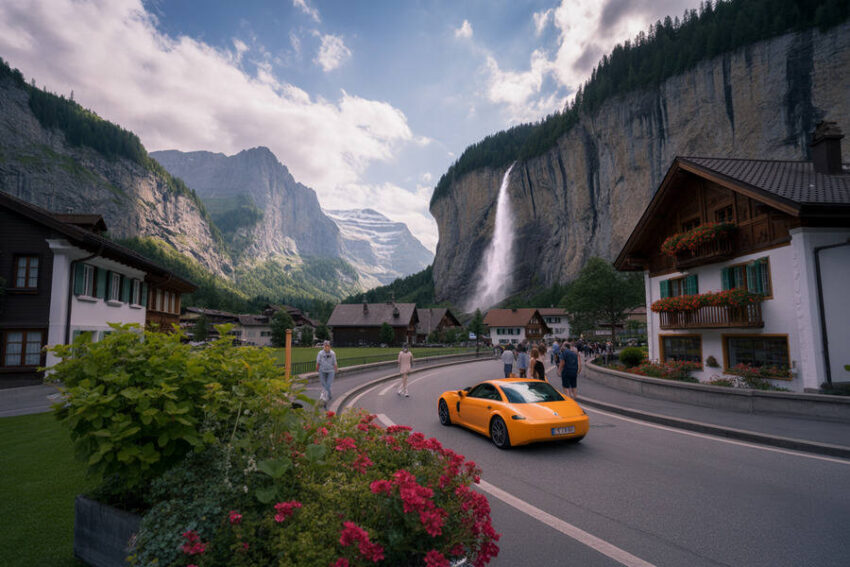
- Proposed entry charges for car-based day visitors in valleys like Lauterbrunnen
- Increased fines for illegal parking, littering, and trespassing on private land
- Strict coach drop-off and pick-up zones in cities such as Lucerne
- Penalties for bus idling and unauthorised access to restricted urban areas
Together, these measures aim to curb fleeting, high-impact visits while encouraging slower, more respectful travel.
Finland focuses on prevention rather than crisis control
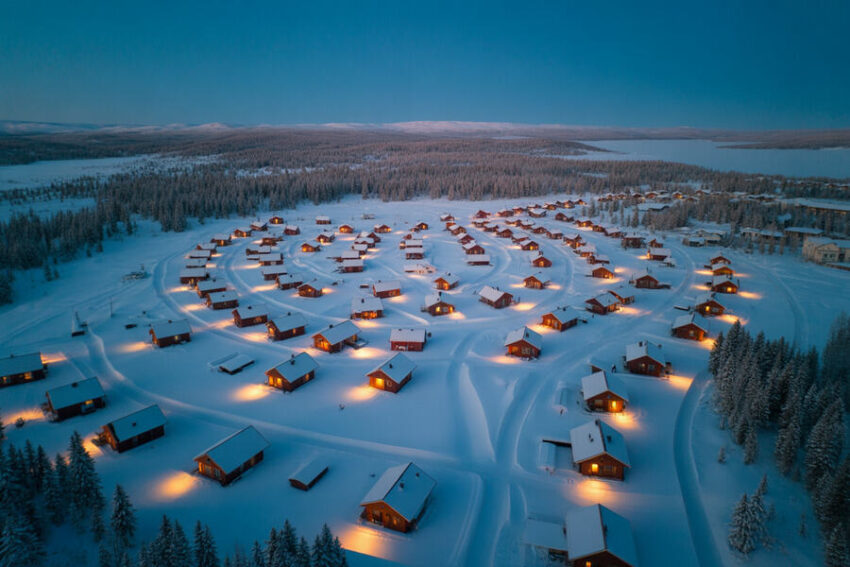
Finland’s overtourism story is still emerging, but authorities are determined not to repeat the mistakes seen elsewhere in Europe. Visitor numbers have risen sharply, driven by interest in nature, winter experiences, and cooler summer destinations. Yet Finland has chosen to embed limits before congestion becomes unmanageable.
Instead of headline-grabbing taxes, Finland relies on regulation, land-use planning, and environmental enforcement. The emphasis is on capacity before promotion, ensuring tourism grows only where ecosystems and communities can absorb it.
Key measures and fines in Finland include
- Visitor caps and zoning systems in national parks and protected areas
- Fines for off-trail hiking, littering, and wildlife disturbance
- Strict planning controls limiting tourism development in sensitive regions
- Marketing strategies promoting long stays and off-season travel
- Regional dispersion campaigns steering visitors beyond the most popular sites
Finland’s approach treats overtourism as a risk to be managed early, not a crisis to be solved later.
Netherlands takes a deliberately selective stance
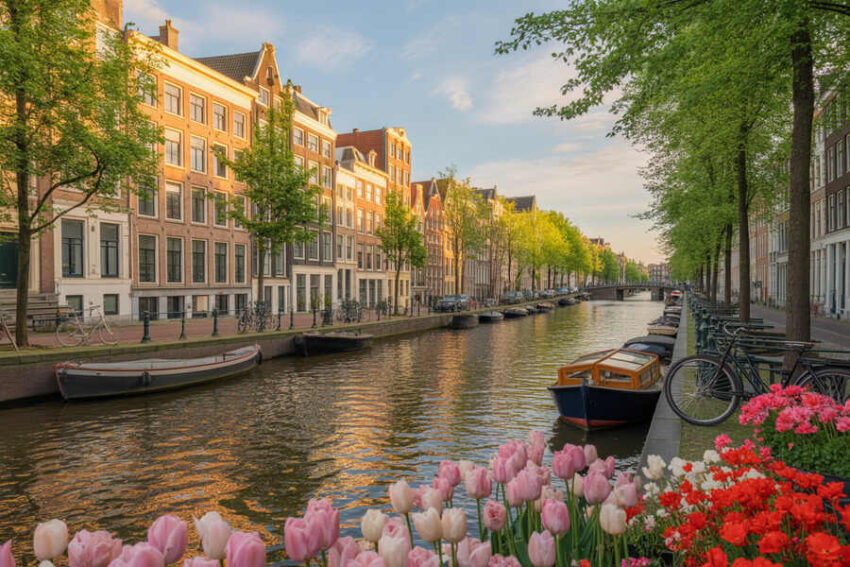
The Netherlands has emerged as one of Europe’s most outspoken critics of uncontrolled tourism growth. After years of strain in Amsterdam, authorities have stopped pretending that every type of visitor benefits the city equally.
Instead, tourism policy now actively distinguishes between desired and undesired travel patterns. Short stays, party tourism, and disruptive behaviour are targeted through pricing, regulation, and enforcement.
Key measures and fines in the Netherlands include
- High tourist taxes designed to discourage short, low-spend visits
- Strict caps on short-term rentals, with heavy fines for illegal listings
- Bans on new holiday lets in protected residential districts
- Limits on group tour sizes in historic areas
- Fines for noise violations, alcohol-related disorder, and public disruption
- Tight cruise ship scheduling and access controls
The Dutch message is clear: tourism must adapt to the city, not the other way around.
Italy enforces limits across its most iconic destinations
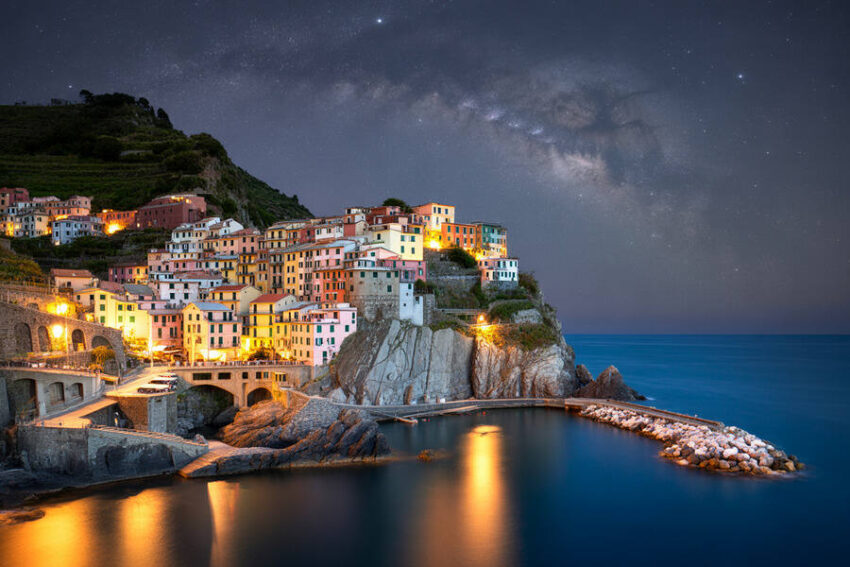
Italy’s overtourism challenge is vast and deeply layered. By 2025, pressure extended far beyond Venice into Florence, Rome, coastal villages, and small historic towns. Authorities have responded with a mix of symbolic and enforceable measures, increasingly backed by penalties.
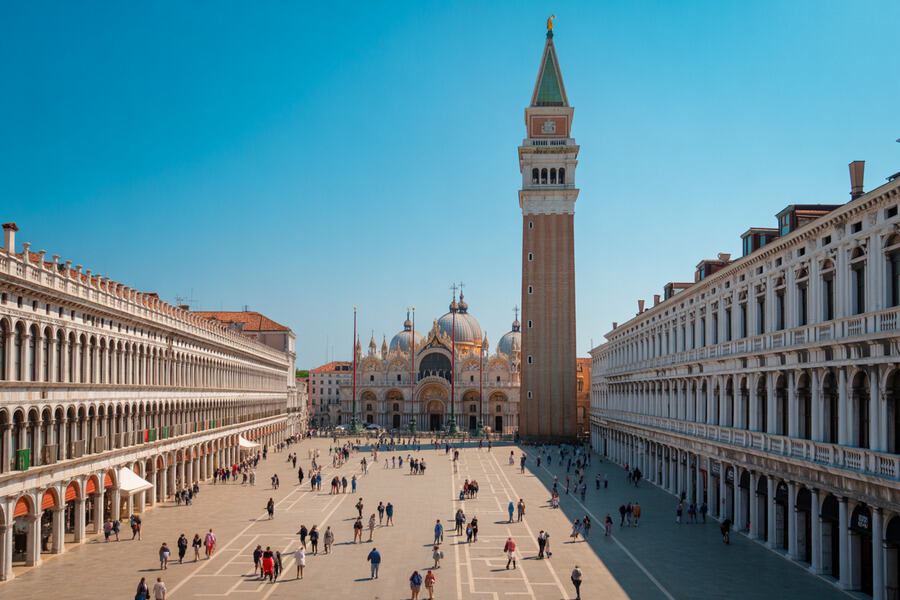
Venice’s day-tripper entry fee signalled a turning point. It acknowledged that unlimited access was no longer compatible with preservation or daily life. Other cities soon followed with their own restrictions.
Key measures and fines in Italy include
- Entry fees for day visitors in Venice on peak days, enforced with fines
- Expanded cruise ship restrictions and port access controls
- Bans on anonymous self-check-in systems for short-term rentals in Florence
- Caps on new holiday apartments in historic centres
- Visitor limits and timed entry at major landmarks in Rome
- Trail quotas and fines for unsafe behaviour in Cinque Terre
Italy’s shift reflects a broader rethinking of tourism success, moving from volume to sustainability.
Iceland draws firm boundaries around fragile landscapes

In Iceland, overtourism threatens nature rather than urban life. Visitor flows concentrate heavily around a small number of iconic sites, placing immense pressure on ecosystems that recover slowly, if at all.
Authorities have responded by making access conditional and enforceable. Infrastructure is no longer expanded endlessly to meet demand; instead, demand is shaped to fit the landscape.
Key measures and fines in Iceland include
- Timed entry systems and parking fees at popular natural attractions
- Heavy fines for off-road driving and environmental damage
- Visitor management plans for waterfalls, geothermal zones, and glaciers
- Cruise arrival limits at key ports
- Tourism taxes funding infrastructure in rural communities
Iceland’s stance is uncompromising: natural limits are non-negotiable.
Denmark manages pressure through restraint and planning
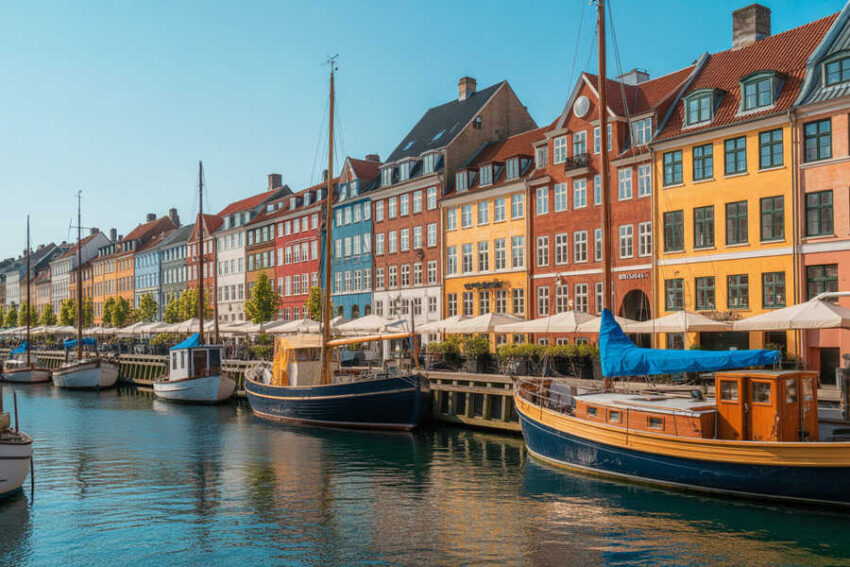
Denmark has largely avoided overtourism flashpoints, but authorities remain vigilant. Copenhagen and coastal destinations experience seasonal pressure, particularly from cruise traffic and summer visitors.
Rather than dramatic interventions, Denmark relies on regulation, pricing, and planning to keep tourism compatible with daily life.
Key measures and fines in Denmark include
- Tourist taxes supporting urban services and maintenance
- Regulation of short-term rentals to protect housing availability
- Cruise scheduling controls to prevent sudden crowd surges
- Fines for noise, littering, and public disorder
- Promotion of off-season and regional tourism
Denmark’s model shows how early management can prevent escalation.
Croatia clamps down on cruise-driven congestion
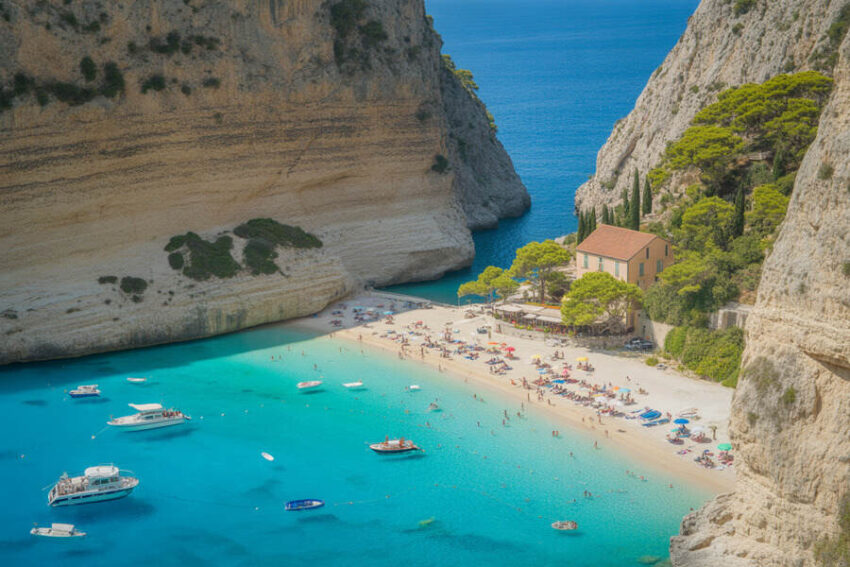
Croatia’s experience, especially in Dubrovnik, has become a case study in cruise tourism management. Once overwhelmed by sudden daily influxes, the city has moved toward strict enforcement.
Key measures and fines in Croatia include
- Daily caps on cruise passenger arrivals
- Penalties for cruise operators that breach scheduling limits
- Real-time monitoring of visitor density in historic centres
- Restrictions on outdoor commercial activity within old towns
- Increasing limits on short-term rental expansion
Enforcement, rather than policy announcements alone, has become central to restoring balance.
Europe’s tourism reset is gathering pace
Across Switzerland, Finland, the Netherlands, Italy, Iceland, Denmark, Croatia, and beyond, a shared philosophy has taken hold. Overtourism is no longer a public relations challenge—it is a governance issue intertwined with housing, climate resilience, and social cohesion.
Tourist taxes now shape behaviour. Cruise caps prevent instant overload. Visitor limits protect fragile sites. Rental regulations defend residential life. Fines make sustainability rules enforceable, not optional.
Switzerland joins Finland, the Netherlands, Italy, Iceland, Denmark, Croatia, and other nations in reshaping European travel as rising visitor concentrations in popular destinations are placing unsustainable pressure on local communities, housing supply, transport infrastructure, and cultural heritage, prompting governments to introduce tourist taxes, cruise caps, visitor limits, and short-term rental regulations to address overtourism and ensure long-term sustainability across Europe.
Switzerland’s alignment with this movement confirms a wider reality: no destination, however orderly or scenic, is immune. European travel remains open, rich, and diverse—but it is entering an era defined by limits, responsibility, and long-term balance.
