
Poland is planning to introduce digital age verification to its existing national digital identity platform in order to curb children’s access to social media platforms.
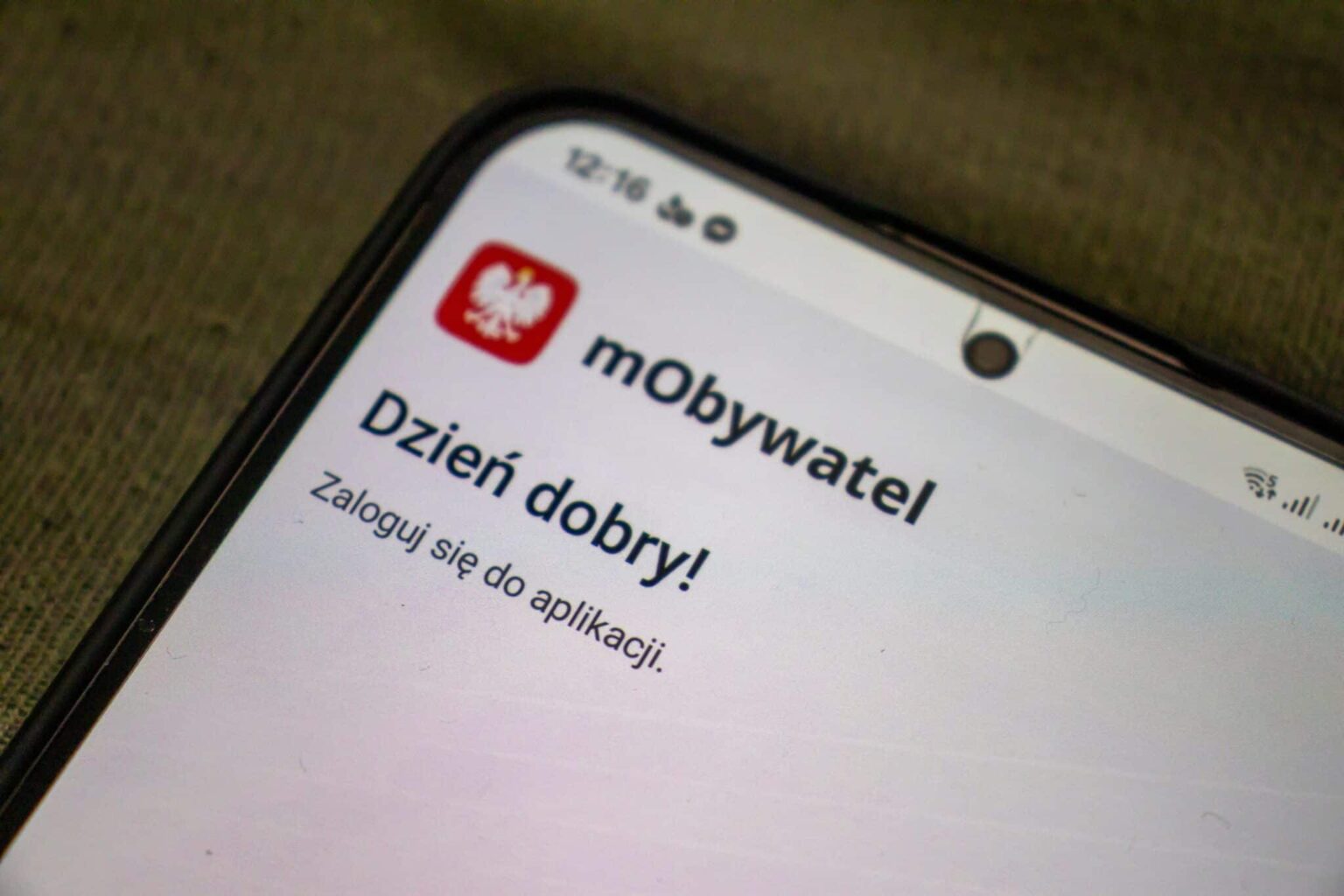
The government plans to add a feature that allows users to confirm their age to its mObywatel (mCitizen) app, Deputy Digital Affairs Minister Michał Gramatyka said last week.
By Christmas Eve, the app will be adapted to eIDAS 2.0 regulations and expanded to include a compliant European digital identity, allowing users to prove they are over a certain age without providing any other data, he adds.
“This is a fundamental technological solution that will allow us to limit children’s access to social media, but this solution will not be ready until the end of the year,” says Gramatyka. “Let’s remember that verifying children’s access to social media will require verifying everyone’s access, because each of us will have to log in to the social media platform with our real data.”
The governing Civic Coalition (KO) announced it would restrict children under the age of 15 from social media at the beginning of January. The draft regulation is expected to be presented by the end of February.
According to a poll released last week, 52.9 percent of respondents support raising the minimum age for social media use to 16. The survey was conducted by IBRiS for the newspaper Rzeczpospolita.
The move comes as other European countries also attempt to introduce restrictions on minors into other countries. Poland is coordinating with other EU member states as well as the European Commission, which is working on a harmonized age verification for the entire bloc, according to the Ministry of Digital Affairs.
While countries like Australia have placed the burden of age verification on social platforms, these rules are not easily transferable to the Polish or EU legal system, according to Gramatyka. The Australian Online Safety Amendment allows platforms to use biometric age assessment and behavioral profiling to determine age.
“It is not possible to replicate these provisions in Poland today,” said the Deputy
Instead, the Digital Affairs Ministry plans to require social platforms to verify users’ ages with a credential generated in a digital ID wallet when they create an account, news channel TVN 24 reports.
The Ministry has been pouring resources into mObywatel to draw more users from Poland’s 38 million population. The app recently released a new feature that allows holders of the country’s e-ID card, which stores biometric fingerprints, to manage the document within the app. The app also enables citizens to access services such as electronic prescriptions and mobile driving licenses (mDL).
Article Topics
age verification | children | digital ID | mObywatel | Poland | social media