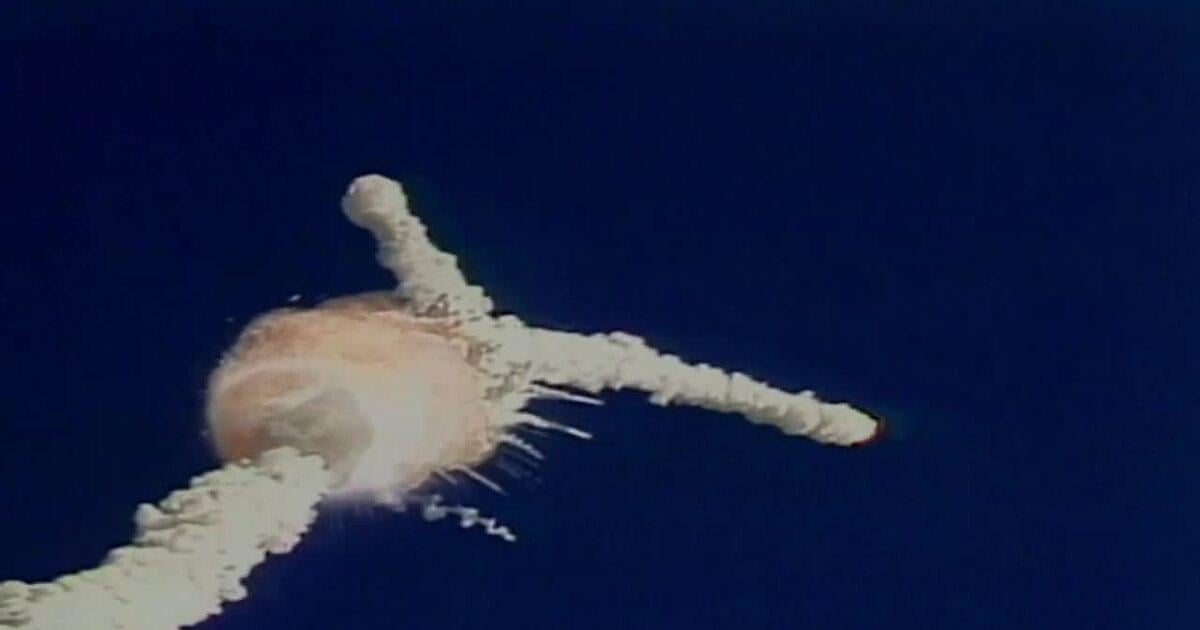
Utah company that made the Challenger O-Rings wants you to know a few things
https://www.fox13now.com/news/fox-13-investigates/utah-company-that-made-the-challenger-o-rings-wants-you-to-know-a-few-things

Utah company that made the Challenger O-Rings wants you to know a few things
https://www.fox13now.com/news/fox-13-investigates/utah-company-that-made-the-challenger-o-rings-wants-you-to-know-a-few-things
12 Comments
It was an o-ring that failed, yes. But the o-ring was made to work within an environment specified, and the launch environment was colder than this range. HydraPak advised against the launch for the very reason that caused the failure.
This was not a manufacturing problem, but a case of ego not listening to experts.
[That decision lead to seven deaths.](https://images.findagrave.com/photos/2001/222/challenger3.jpg)
Dick Scobee, commander
Michael J. Smith, pilot
Ronald McNair, mission specialist
Ellison Onizuka, mission specialist
Judith Resnik, mission specialist
Gregory Jarvis, payload specialist
Christa McAuliffe, payload specialist, teacher
***This is an example of what happens when ego doesn’t listen.***
Sounds like my bosses, think they are the smartest person in the room.
He’s not wrong; the O-rings weren’t faulty, they were improper.
Forty years today. [NPR](https://www.npr.org/2026/01/25/g-s1-106940/40-years-after-challenger)
I though Thiokol was considered more at fault?? They were involved in the launch decision?
I did this as a case study at Uni. I think a lot of other people did as it’s a classic failure of management.
The O-rings weren’t faulty. The manager’s decisions and refusals to listen to engineers were.
“Challenger: A True Story of Heroism and Disaster on the Edge of Space”, by Adam Higginbotham is an excellent reference, if not a somewhat difficult read (emotionally) at times. I was in 3rd Grade at the time, and the Challenger disaster remains the defining event of the 1980s for me.
I recommend watching this. It is explained really well what happened and what happened after. It is really interesting and sad at the same time.
https://youtu.be/2FehGJQlOf0?si=mEvUtoDyo-IpxzAn
Didn’t the O rings partially fail at earlier flights?
Read Richard Feynman’s articles on the accident and the story about his famous live experiment with an O-Ring and a glass iced water on live TV. Feynman’s summary and conclusions a fascinating insight into everything that went on …. and then they were begrudgingly accepted as an appendix to the final report.
Why is this fox affilate running FLDS propaganda?
> HydraPak started in 1976. One of the founders on the incorporation paperwork was Rulon T. Jeffs. He was the president and prophet of a polygamous sect that would later call itself the Fundamentalist Church of Jesus Christ of Latter-Day Saints.