
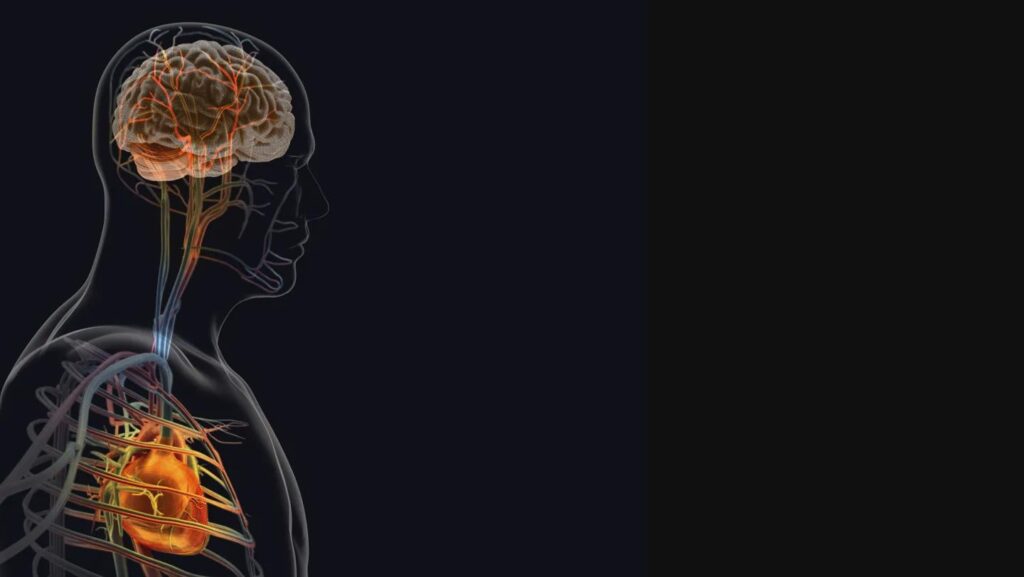
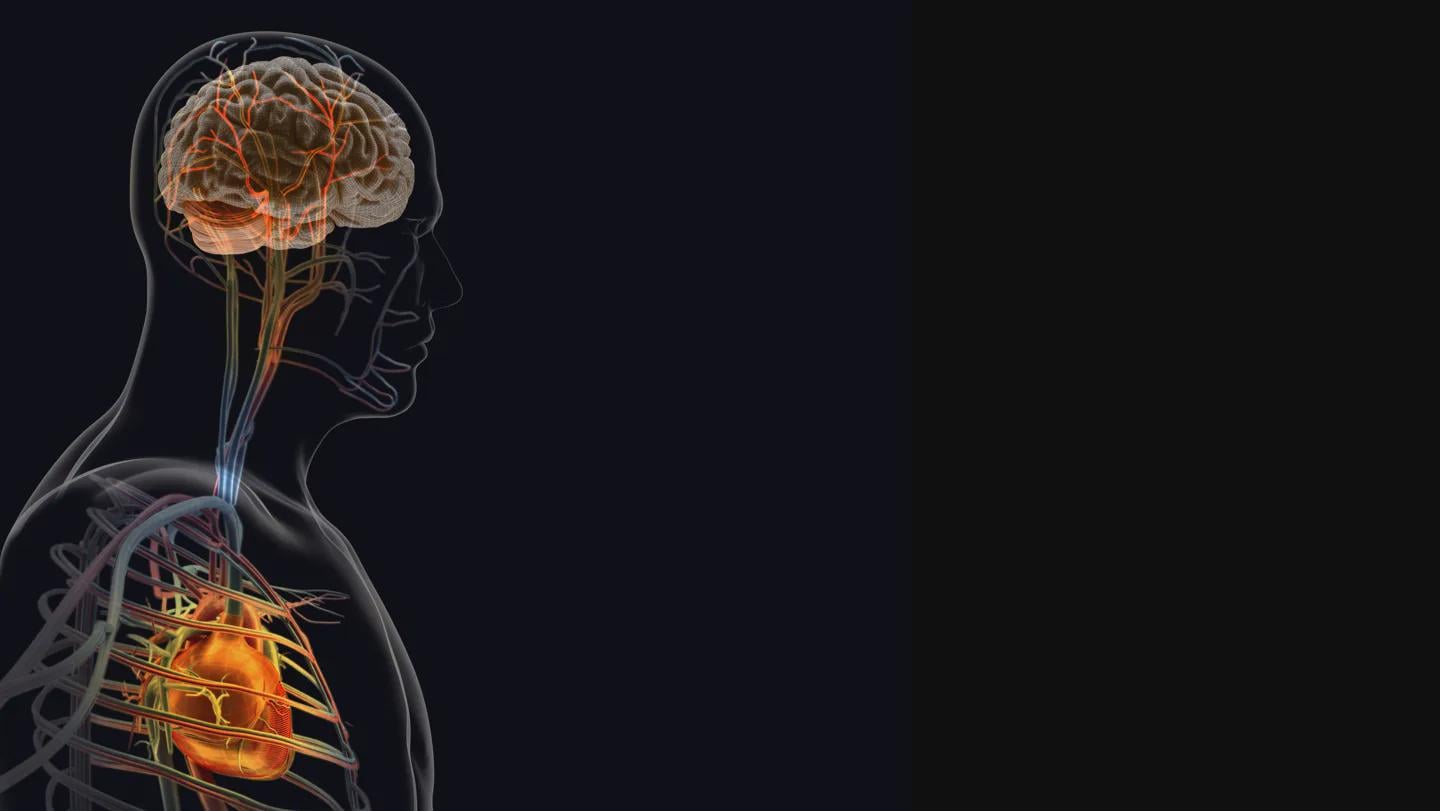
The brain’s response to a heart attack may worsen recovery | Nerve pathways linking the heart and brain play a key role in the body’s response to cardiac injury. In mice, blocking signals along these nerves and reducing inflammation in connected neurons improved heart healing and function
1 Comment
>After a heart attack, the heart “talks” to the brain. And that conversation may make recovery worse.
>Shutting down nerve cells that send messages from injured heart cells to the brain boosted the heart’s ability to pump and decreased scarring, experiments in mice show. Targeting inflammation in a part of the nervous system where those “damage” messages wind up also [improved heart function and tissue repair](https://doi.org/10.1016/j.cell.2025.12.058), scientists report January 27 in *Cell*.
>“This research is another great example highlighting that we [cannot look at one organ and its disease in isolation](https://www.sciencenews.org/article/heart-brain-mental-health),” says Wolfram Poller, an interventional cardiologist at Massachusetts General Hospital and Harvard Medical School who was not involved in the study. “And it opens the door to new therapeutic strategies and targets that go beyond the heart.”
[Read more here](https://www.sciencenews.org/article/heart-attack-brain-damage) and the [research article here](https://linkinghub.elsevier.com/retrieve/pii/S0092867425015065).