
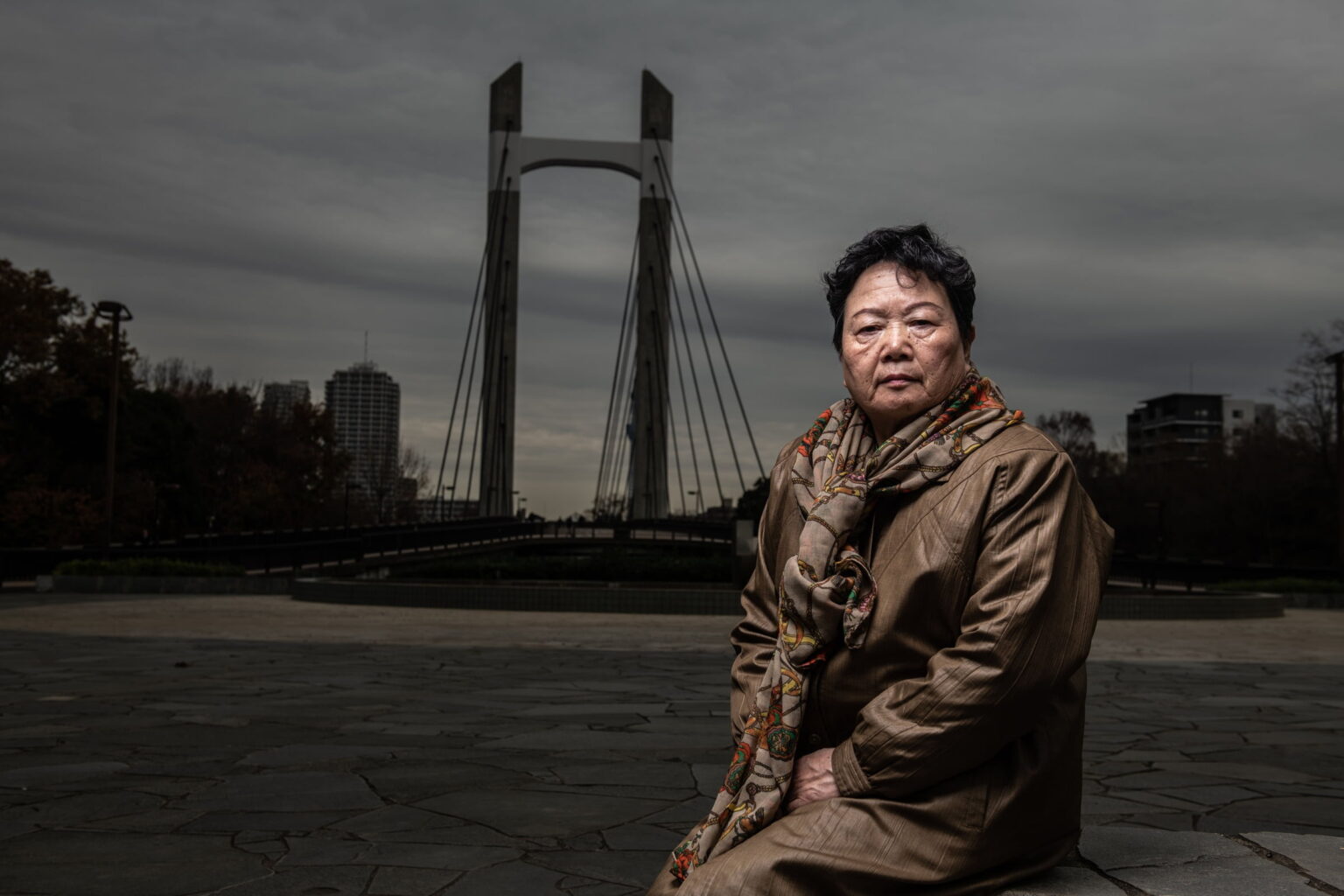
This week, the Tokyo District Court delivered its ruling on a case unlike any other. The plaintiffs were survivors of North Korea’s so-called “Paradise on Earth” campaign, a mass repatriation project that, between 1959 and 1984, sent almost 100,000 people – mostly ethnic Koreans residing in Japan and their Japanese spouses – to North Korea on promises of a better life. Many believed they were heading to a homeland of equality and opportunity. Instead, they found themselves trapped in a closed society, communication with family and friends in Japan severed and their existence slowly fading into silence.
The plaintiffs before the court later risked their lives to escape and return to Japan. Their lawsuit argued that the deception that drew them to North Korea originated in Japan, where the campaign was organised and promoted. Because those acts occurred on Japanese soil, they contended, the Japanese court had jurisdiction to hear their claim against the Democratic People’s Republic of Korea (North Korea). The court accepted this reasoning and allowed the case to proceed.
On 26 January, the Tokyo District Court ruled in favour of the plaintiffs, recognising that the deception surrounding the “Paradise on Earth” campaign caused them harm.
For survivors, the case was about far more than legal compensation. It was about recognition; having an institution declare, in clear language, that their suffering was real and undeserved. For the plaintiffs, the hope was that the ruling would finally acknowledge the reality they had carried for decades.
On 26 January, the Tokyo District Court ruled in favour of the plaintiffs, recognising that the deception surrounding the “Paradise on Earth” campaign caused them harm. The decision marks the first judicial acknowledgement of its kind in Japan, giving survivors a measure of validation that diplomacy has long failed to provide. Outside the courtroom, supporters quietly wept as the plaintiffs thanked the court for hearing their voices.
The “Paradise on Earth” campaign began in the uncertain years after Japan’s defeat in the Second World War. Many Koreans who had been brought to Japan during its colonial rule remained in the country, stateless and facing widespread discrimination. In the late 1950s, the prospect of returning to the Korean Peninsula carried emotional and symbolic power.
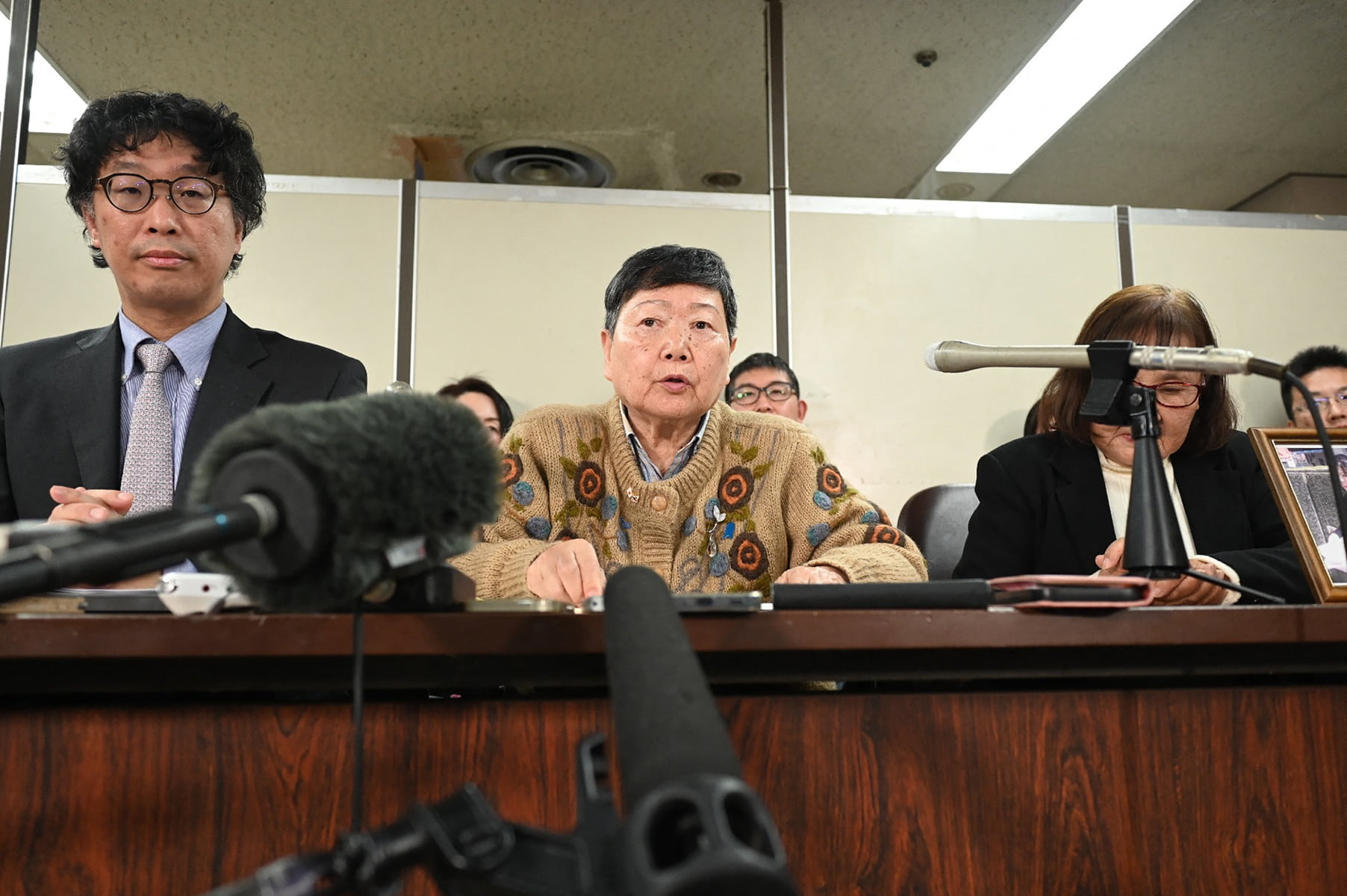
Eiko Kawasaki (C) and chief lawyer Kenji Fukuda (L) following a court ruling ordering the North Korean government to pay compensation for the “Paradise on Earth” repatriation program (JIJI Press / AFP via Getty Images)
Through Chongryon, the pro-Pyongyang association in Japan, North Korea launched an extensive campaign to encourage migration. Posters and pamphlets spoke of a thriving socialist state with free education and guaranteed work. Red Cross societies in Japan and North Korea helped facilitate logistics, and the departures from Niigata Port were portrayed as a humanitarian project. Families waved from the decks of ships as cameras flashed. Within a few years, however, families in Japan stopped hearing from their loved ones in North Korea.
Those who later escaped described hunger, political surveillance, and forced relocations. Many Japanese spouses, mostly women who had married Korean men in Japan, were cut off from their families and their language. Some lost contact for decades; others never reappeared.
In bringing their case, the plaintiffs built their argument around a straightforward idea: that the ordeal began in Japan. Recruitment efforts, logistical planning, and organised departures all took place there. This chain of events formed the legal foundation for jurisdiction, allowing Japanese courts to hear a case against a foreign state despite lack of diplomatic relations.
The Tokyo court’s acceptance of jurisdiction represented a rare recognition that events linked to Japan’s territory can give rise to obligations within Japan’s own legal system. For the plaintiffs, this meant their voices had effectively entered a public forum capable of acknowledgement.
Their lawsuit also joined a broader movement among survivors who seek formal recognition of what “Paradise on Earth” became: not an act of voluntary migration but a systematic deception that displaced tens of thousands from their homes.
The meaning of this case reaches beyond the courtroom. It speaks to an unresolved chapter in Japan–DPRK relations, which has an impact on current diplomacy.
A court ruling cannot fully restore the years lost or the violated dignity and human rights of the plaintiffs, but it can clarify how those losses are understood.
In 2014, Japan and North Korea signed the Stockholm Agreement, a rare diplomatic breakthrough in an otherwise frozen relationship. Under the deal, Pyongyang pledged to investigate the fate of “all Japanese nationals”. It seems Japan deliberately put forward such a broad category to entice North Korea to get on board with the agreement. The category encompassed abductees as well as other Japanese citizens who had disappeared or been detained in the North, including the Japanese spouses who moved under the “Paradise on Earth” campaign.
Unfortunately, the investigation never materialised. Talks collapsed within two years and the Japanese government’s constant framing of public discourse to focus exclusively on the abduction issue played a part in that collapse. Yet the spirit of the agreement, a commitment to account for every Japanese national connected to North Korea, remains directly relevant to the Tokyo lawsuit.
Seen this way, the courtroom in Tokyo extended the unfinished work of the Stockholm Agreement by pursuing, through law, the same task that diplomacy had left undone. It has, at least partially, established facts about the fate of Japanese nationals linked to North Korea.
When the judge finally spoke, his words carried more than legal weight. They helped define how this history is remembered: not a closed episode of the Cold War but a living question of accountability that still shapes Japan’s relations with North Korea.
A court ruling cannot fully restore the years lost or the violated dignity and human rights of the plaintiffs but it can clarify how those losses are understood. It can affirm that those who trusted the promises of the “Paradise on Earth” campaign were not naive but misled. And it can give survivors a measure of dignity that political processes have so far failed to provide.
For policymakers, the case offers a reminder that Japan–North Korea relations are not defined solely by state negotiations. They are also shaped by human stories, including those of the people who once boarded ships from Niigata and who continue to seek answers after decades of silence. If bilateral dialogue is set to take place in the near future, this case underscores a broader responsibility and necessity to ensure that any future discussions on humanitarian issues, or diplomatic normalisation, should include all those whose lives were intertwined with the history of the repatriation campaign.