
Published on
January 29, 2026
Greece joins UK, France, Croatia, and Spain in strategically positioning itself as one of the top five must-visit travel destinations for Europeans in 2026, thanks to its consistent appeal, diverse offerings, and strong tourism infrastructure. According to recent research by INSETE, Greece has maintained a dominant position in key European markets despite fierce competition from other Mediterranean countries. Its rich cultural heritage, stunning landscapes, and growing focus on sustainable and off-season tourism are among the key factors that have boosted its appeal, securing its place as a preferred choice for travelers from Germany, France, the UK, Italy, and Spain.
As 2026 approaches, Greece continues to solidify its place among the top travel destinations for Europeans. With its rich history, stunning landscapes, and diverse tourism offerings, Greece remains a dominant force in the Mediterranean tourism industry. The findings from the latest research by INSETE, the research arm of the Greek Tourism Confederation (SETE), show that Greece not only maintains its stronghold in key markets but is also making significant strides in boosting tourism across the Mediterranean region.
Greece’s Resilient Position in European Travel Preferences
The report titled “Brand Greece: How Attractive Is Greece as a Tourism Destination? A Comparison with Competing Mediterranean Destinations” reveals that Greece continues to rank within the top five outbound travel preferences for major European markets such as Germany, France, the United Kingdom, Italy, and Spain. These countries account for nearly half of Greece’s inbound tourism revenue, making them critical for the nation’s tourism strategy.
Key Findings from INSETE’s Research:
- Germany: Greece ranks third among the most preferred destinations for German travelers heading abroad in 2026, following Italy and Spain. Germany remains one of Greece’s most significant source markets, with a consistently high demand for Greek destinations.
- United Kingdom: In the UK, Greece holds fourth place, improving its position by one rank compared to 2024. This upward trend is noteworthy, as it indicates Greece’s increasing competitiveness in one of the most sought-after travel markets in Europe.
- Italy: In Italy, Greece maintains its third-place position, further solidifying its appeal among Italian tourists who are drawn to the Mediterranean charm.
- France: France ranks Greece in fourth place, making it one of the most desirable destinations for French travelers. The proximity of Greece to France, along with its unique offerings, contributes to its strong position.
- Spain: In Spain, Greece secures the sixth place, up from seventh the previous year. While Spain has a robust domestic tourism market, Greece’s performance in Spain showcases its growing appeal even in the face of fierce competition from neighboring destinations.
These rankings highlight Greece’s resilience and adaptability in an increasingly competitive Mediterranean tourism landscape. Despite challenges from other Mediterranean destinations, Greece remains a preferred choice for travelers from these key European countries.
Advertisement
Advertisement
Boosting Tourism and Strengthening Brand Greece
The resilience of “Brand Greece” is not only reflected in these impressive rankings but also in the country’s ability to adapt and diversify its tourism offerings. The growth of Greece as a top destination is driven by various factors, ranging from the richness of its cultural heritage to the expansion of its tourism infrastructure. The INSETE study highlights several reasons behind Greece’s consistent success in attracting European tourists.
Key Factors Contributing to Greece’s Success:
- Cultural and Heritage Tourism: Greece is a treasure trove of ancient ruins, UNESCO World Heritage Sites, and historical landmarks. Visitors flock to Athens, Delphi, and Crete to immerse themselves in the country’s rich cultural heritage.
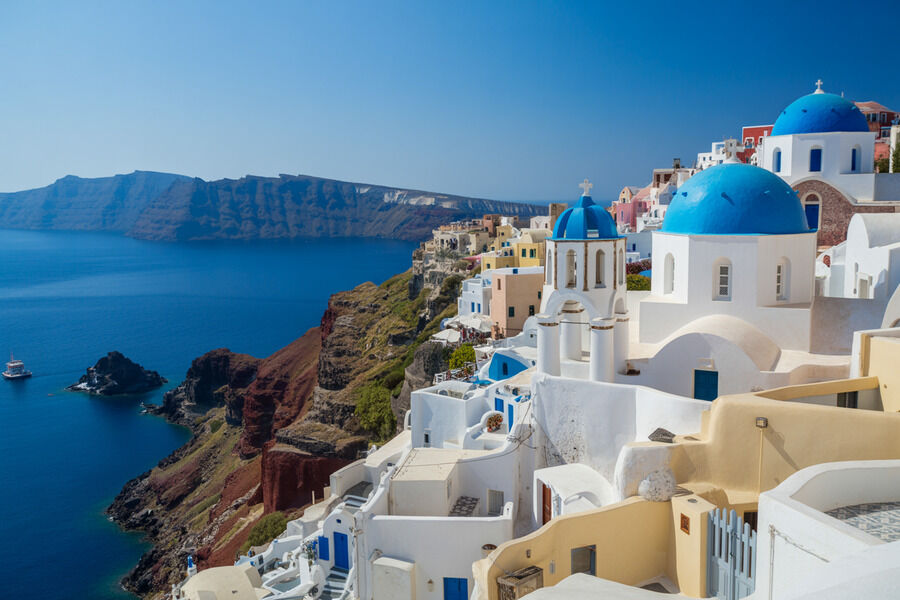
- Beach and Island Tourism: Greece’s islands, such as Santorini, Mykonos, and Crete, continue to be major draws for beach lovers and adventure seekers. The beauty of Greece’s coastlines, combined with its world-class resorts, ensures its place as a top destination.
- Diverse Experiences: Beyond beaches, Greece offers a variety of tourism experiences, from wine tourism in Santorini to hiking in the mountains of the Peloponnese. This diversification allows Greece to appeal to a wide range of travelers with different interests.
- Sustainability and Green Tourism: Greece is increasingly focusing on sustainable tourism, with initiatives aimed at preserving the environment and promoting responsible travel. This aligns with the growing trend of eco-conscious travelers seeking destinations that prioritize sustainability.
The Greek government and tourism officials have also invested in boosting the country’s tourism brand through extensive marketing campaigns, highlighting the diversity of experiences that Greece offers. These campaigns, alongside the country’s established reputation for hospitality, contribute to Greece’s enduring appeal.
Advertisement
Advertisement
Greece’s Position Among Mediterranean Competitors
While Spain, Italy, and France remain significant competitors in the Mediterranean region, Greece continues to hold its ground with remarkable consistency. The latest INSETE research shows that Greece’s positioning in these key markets is not only steady but also improving.
In comparison to other Mediterranean competitors such as Turkey and Croatia, Greece’s position remains strong, as these destinations have not managed to break into the top ten rankings in key European markets. The study indicates that Greece has outperformed competitors in markets like Italy and Spain, where Turkey and Croatia have failed to gain significant traction among European travelers.
Advertisement
Advertisement
Competitor Overview:
- Turkey: While Turkey is a prominent destination for travelers from Eastern Europe and Russia, it falls outside the top ten in major Western European markets such as Italy and Spain. Greece, with its proximity, rich history, and superior tourism infrastructure, continues to outperform Turkey in these key markets.
- Croatia: Croatia, despite its growing popularity, remains outside the top ten in both Italy and Spain. While it is an attractive destination for European travelers, especially in the summer, it still has a long way to go to compete with Greece’s well-established tourism offerings.
This competitive edge reflects Greece’s strategic investments in infrastructure, hospitality, and diverse tourism products, making it a standout choice for travelers across Europe.
Boosting Tourism: Greece’s Strategic Focus on Regional and Off-Season Travel
Greece’s tourism strategy has evolved beyond attracting summer visitors. The country has focused on boosting tourism throughout the year, particularly by appealing to off-season travelers and promoting lesser-known destinations. The study also highlights how Greece’s diverse tourism offerings—ranging from cultural festivals and wine tours to eco-tourism initiatives—help attract visitors in shoulder seasons like spring and autumn.
Key Strategies to Boost Tourism:
- Expanding Regional Connectivity: Greece has improved its transportation infrastructure, with new flight routes and ferry connections opening up more remote areas and islands. This connectivity has made it easier for tourists to explore beyond the major tourist hubs of Athens, Mykonos, and Santorini.
- Promoting Off-Season Tourism: By targeting travelers during the off-peak months, Greece has successfully attracted a more diverse range of tourists, including those seeking quieter, more authentic experiences. The country has focused on promoting its cultural heritage, outdoor activities, and wellness retreats as year-round attractions.
- Diversifying the Tourism Product: Beyond traditional sun and sea tourism, Greece has capitalized on emerging trends such as wellness tourism, adventure tourism, and culinary tourism. The rise of wellness retreats in places like the Peloponnese and Crete is an example of Greece diversifying its offerings to attract a broader demographic.
These efforts are paying off, with more tourists choosing Greece during off-peak seasons, thus extending the country’s tourism revenue over a longer period each year.
The Role of Digital and Social Media in Boosting Greece’s Appeal
Social media has played a significant role in boosting Greece’s tourism appeal, especially among younger generations. Platforms like Instagram, TikTok, and YouTube have made Greece’s scenic landscapes, rich culture, and luxury experiences go viral. The use of influencers, travel bloggers, and user-generated content has amplified Greece’s visibility on the global stage.
The INSETE research also emphasizes that Greece’s strong online presence, supported by its active participation in global travel discussions, has helped maintain its status as a top destination. This digital strategy, combined with traditional marketing efforts, has enhanced Greece’s reach and appeal.
Looking Ahead: Greece’s Tourism Outlook for 2026
As Greece continues to recover from the global travel disruptions caused by the pandemic, its future in European tourism looks promising. The country’s ability to adapt to changing travel trends, promote sustainable practices, and diversify its offerings will be key to its continued success in 2026 and beyond.
The latest findings from INSETE suggest that Greece will remain a top destination for Europeans in the coming years. With its solid positioning in the UK, Germany, France, Italy, and Spain, Greece is well on track to maintain and even expand its tourism market share in the Mediterranean region. The country’s consistent performance, combined with its robust tourism infrastructure and diverse attractions, will continue to drive tourism growth well into the next decade.
Greece joins UK, France, Croatia, and Spain in positioning itself as one of the top five must-visit travel destinations for Europeans in 2026, driven by its rich cultural heritage, stunning landscapes, and diverse tourism offerings that continue to attract travelers from key markets.
Greece’s position as a leading Mediterranean destination is secure, and its tourism sector is primed for further growth. As it competes with other Mediterranean heavyweights, Greece’s focus on sustainability, diversification, and digital marketing ensures that it will remain a top choice for European travelers for many years to come.
