
Published on
January 30, 2026
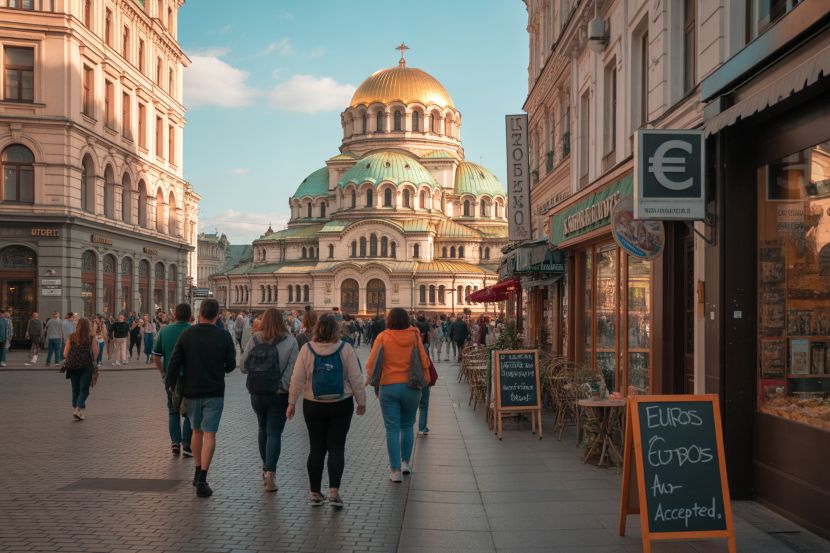
Bulgaria has officially entered the eurozone as of January 1, 2026, marking a monumental shift that will have a lasting impact on its tourism industry. With this change, the country has adopted the euro as its official currency, replacing the Bulgarian lev. This move not only strengthens Bulgaria’s position within the European Union but also makes it a more attractive destination for travelers, with promises of smoother travel experiences, clearer pricing, and more competitive offerings.
For tourists, one of the most noticeable changes will be the elimination of currency exchange hassles. Travelers from the eurozone countries can now enjoy seamless travel in Bulgaria, without the need to worry about fluctuating exchange rates or additional fees for converting currencies. This shift is expected to significantly improve the travel experience, especially for those visiting Bulgaria for the first time. Tourists will find it much easier to budget for their trips, as prices will now be in euros, eliminating the guesswork often associated with exchange rates.
The Ministry of Tourism in Bulgaria has emphasized the benefits of this transition, noting that the euro adoption is expected to make the country’s tourism sector more competitive in the European market. As the cost of travel becomes more predictable, tourists will be more likely to choose Bulgaria for their holidays, knowing that prices are in line with other European destinations. This could lead to an increase in both short-term visits and longer stays, as the ease of payment and transparent pricing attract a wider audience.
In addition to simplifying transactions, Bulgaria’s move to the euro is anticipated to bring more investment into the country’s tourism infrastructure. The adoption of the euro enhances economic stability and signals to investors that Bulgaria is a safe, modern, and well-integrated European destination. Local tourism businesses are already preparing for an influx of international visitors by updating their systems to accommodate euro payments, ensuring that tourists can enjoy a hassle-free experience when booking accommodations or activities.
Advertisement
Advertisement
Euro adoption is also likely to boost Bulgaria’s appeal as a multi-destination stop within European itineraries. Many tourists traveling through the Balkans or Central and Eastern Europe may now be more inclined to visit Bulgaria, as they will no longer need to exchange currencies between countries. The seamless experience of traveling from one eurozone country to another will make Bulgaria a convenient and attractive addition to any European trip.
The Ministry of Tourism has also highlighted that the transition to the euro will make it easier for international travelers to compare Bulgaria with other eurozone destinations. Visitors will be able to assess Bulgaria’s offerings more accurately, ensuring that they know exactly what they are spending and what they will receive in return. This transparency is expected to enhance Bulgaria’s competitiveness, especially as it looks to attract travelers from Western and Central Europe.
Advertisement
Advertisement
Tourism experts have pointed out that, while the immediate effects may be gradual, the long-term potential for Bulgaria’s tourism industry is significant. The shared currency not only makes the country more accessible but also aligns Bulgaria with other top European destinations. This alignment will likely increase the flow of international tourists and encourage greater regional cooperation, particularly with neighboring countries within the eurozone.
Despite the positive outlook, some challenges remain. Bulgarian authorities are committed to ensuring that the transition is as smooth as possible for both locals and tourists. To help ease the process, there will be a dual‑currency period, during which both the lev and the euro will be accepted in transactions. This will give businesses and tourists time to adjust to the new currency. Additionally, Bulgaria’s tourism industry is working hard to educate travelers on the changes and the benefits of the new currency system, particularly in areas such as pricing and payments.
Advertisement
Advertisement
Looking to the future, Bulgaria’s entry into the eurozone represents a new era for the country’s tourism sector. The shift to the euro not only makes Bulgaria more accessible and appealing to international tourists, but it also sets the stage for sustained growth in tourism. With clearer pricing, more efficient transactions, and a greater sense of economic stability, Bulgaria is positioning itself as a competitive and attractive destination for travelers from around the world.
7 Days in Bulgaria: From Sofia’s Historic Charm to the Scenic Wonders of Rila and Veliko Tarnovo
As Bulgaria steps confidently into its new chapter within the eurozone, it is clear that the adoption of the euro will have far-reaching benefits for its tourism industry. This move signals a stronger future for Bulgaria as a key player in the European tourism market, providing travelers with a smoother, more enjoyable experience while contributing to the country’s economic growth.
