
Published on
February 1, 2026
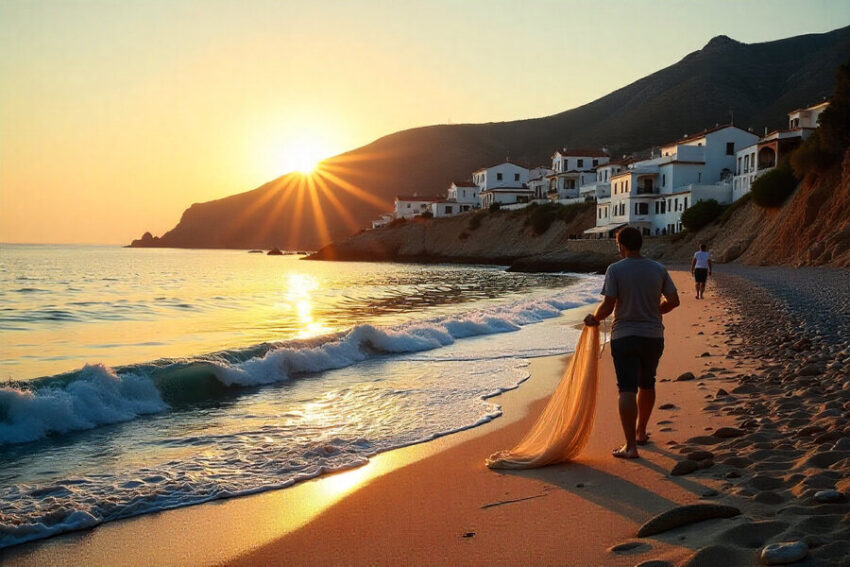
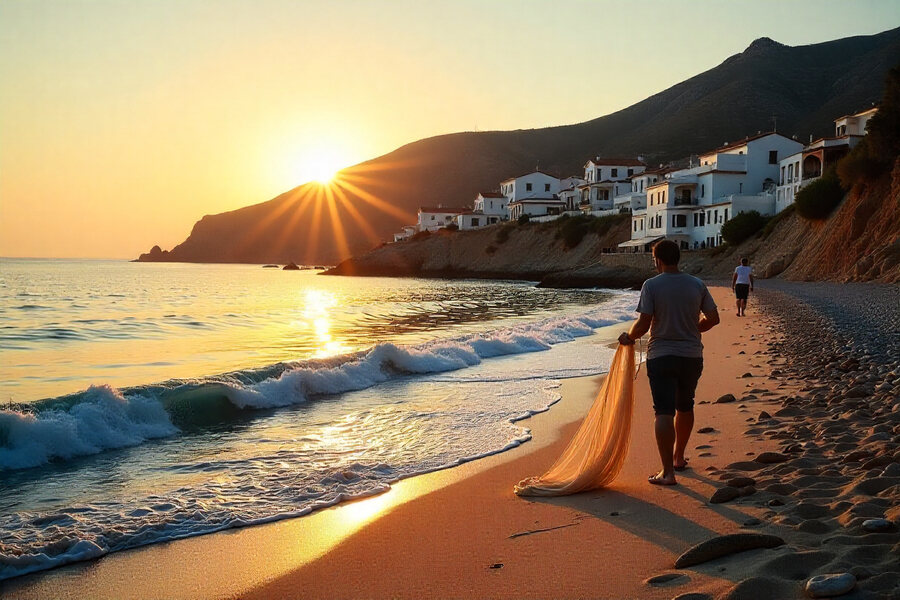
Karpathos is attracting growing international attention as Greece deliberately shields one of its most unspoiled islands from mass tourism, enforcing strict development controls and prioritising sustainability to preserve its wild coastline, traditional villages, and natural ecosystems, a strategy that is turning the island into a standout destination for travellers seeking authenticity, slow travel, and protected Mediterranean landscapes rather than overcrowded resort experiences.
The rugged Greek island of Karpathos is stepping into the international spotlight after being ranked among the world’s last remaining untouched travel destinations, a recognition that is reshaping how the island plans its future. Long overlooked in favour of more famous Greek islands, Karpathos is now being held up as a rare example of a place where natural beauty, cultural identity, and slow-paced tourism still exist in balance.
Positioned sixth on a global list of destinations to visit before mass tourism changes them, Karpathos was highlighted for qualities that are increasingly hard to find in the Mediterranean. The island’s windswept beaches, steep mountain terrain, and traditional villages have remained largely free from large resorts, cruise crowds, and overdevelopment. Instead of busy promenades and nightlife districts, visitors encounter narrow stone paths, quiet harbours, and landscapes shaped more by wind and sea than by tourism infrastructure.
This growing recognition aligns closely with Greece’s evolving tourism strategy, which is shifting focus away from a handful of saturated destinations and toward a more diverse, resilient model. Authorities are encouraging travellers to explore lesser-known islands and regions that can offer meaningful experiences without overwhelming local communities. Karpathos fits squarely into this vision, offering an experience rooted in authenticity rather than spectacle.
Unlike islands that built their tourism identity around luxury shopping or party culture, Karpathos has remained focused on nature, heritage, and everyday island life. Many of its villages sit high in the mountains, where traditional architecture and customs are still part of daily routines. The coastline, shaped by strong winds and dramatic cliffs, has discouraged large-scale beach development, unintentionally protecting the island from the type of rapid expansion seen elsewhere in the Aegean.
With international attention now growing, local authorities are acting quickly to ensure Karpathos does not lose what makes it special. Instead of pursuing high visitor numbers, the island is investing in low-impact tourism experiences designed to attract travellers who value outdoor exploration and cultural depth. New rock-climbing routes and an expanded network of hiking trails are being developed with support from the South Aegean regional government. These projects are carefully planned to blend into the landscape, guiding visitors through existing paths and natural formations rather than reshaping the terrain.
Advertisement
Advertisement
The goal is to extend the tourism season beyond the peak summer months while keeping visitor flows manageable. Hiking, climbing, and nature-based travel appeal strongly to spring and autumn visitors, reducing pressure on infrastructure and helping local businesses operate more steadily throughout the year. This approach supports the local economy while avoiding the boom-and-bust cycles that often come with mass tourism.
At the same time, authorities are addressing long-standing infrastructure challenges that could otherwise limit sustainable growth. One of the most pressing issues has been water availability, a common concern for many Greek islands but particularly acute in remote locations. To tackle this, the municipality has secured €2.8 million in funding from the Ministry of Environment to strengthen water security for residents and visitors alike.
Advertisement
Advertisement
As part of this investment, permanent desalination plants are being installed to supply up to 2,000 cubic metres of water per day to the island’s main town and the nearby community of Aperi. Unlike temporary solutions used during peak season, these facilities are designed to operate year-round, ensuring a reliable water supply without placing additional strain on natural reserves. This move is seen as essential for maintaining quality of life for residents while supporting controlled tourism growth.
The emphasis on infrastructure before expansion reflects a broader understanding that sustainability is not just environmental, but social and economic. Local leaders have been clear that development must serve the community first, not replace it. By prioritising essential services such as water management, the island is laying the groundwork for tourism that supports long-term stability rather than short-term gains.
Karpathos also benefits from its geographical position and climate, which naturally limit the type of tourism it attracts. Strong winds make it less suitable for cruise traffic and large marina developments, while its distance from major transport hubs discourages short, high-volume visits. These factors, once seen as disadvantages, are now being recognised as protective features that help preserve the island’s character.
As Greece looks ahead to the 2026 summer travel season, Karpathos is increasingly viewed as a test case for the country’s new tourism direction. The challenge lies in managing rising interest without repeating the mistakes seen on other islands that struggled under the weight of their own popularity. Early signs suggest Karpathos is taking a cautious, deliberate path—welcoming attention, but not at any cost.
For travellers, the island represents something rare in modern tourism: a place where silence still exists, traditions remain visible, and landscapes feel largely unchanged. For Greece, it offers proof that growth does not have to mean overcrowding, and that preserving identity can be a powerful attraction in its own right.
Karpathos is gaining international attention as Greece moves to protect one of its most pristine islands from mass tourism, limiting large-scale development to preserve its natural landscapes, traditional communities, and fragile ecosystems while promoting a slower, more sustainable travel model.
If managed carefully, Karpathos may not only protect its status as an untouched paradise, but also help redefine what successful tourism looks like in the Mediterranean—measured not by numbers alone, but by balance, resilience, and respect for place.
