
Published on
February 1, 2026
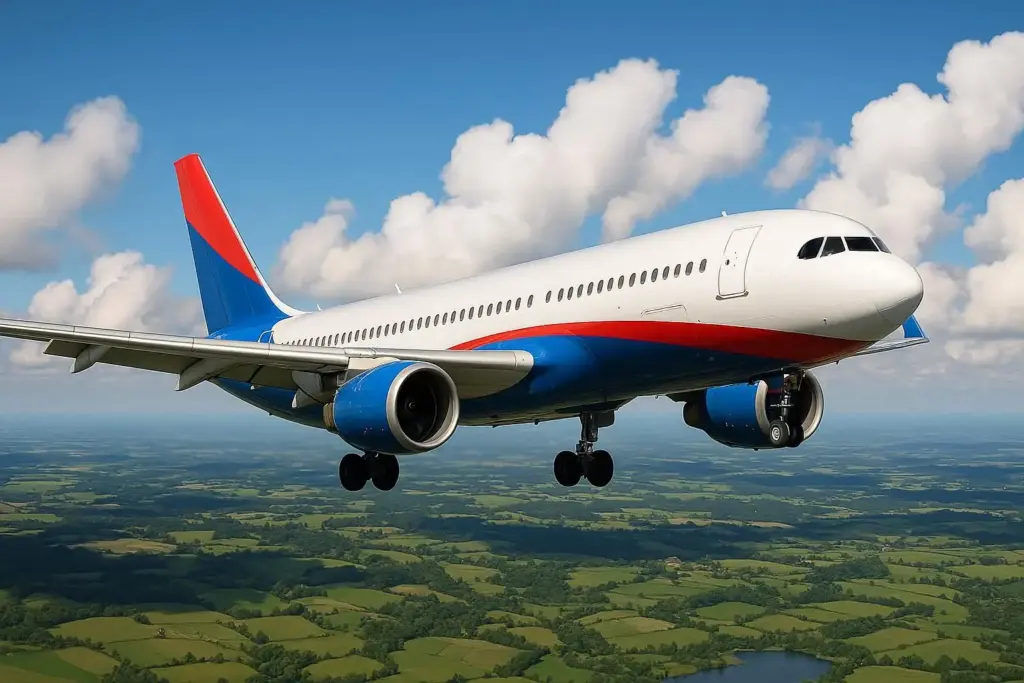
A significant adjustment has been introduced into the Italy–Thailand aviation landscape as ITA Airways, Italy’s national carrier, restructures its long haul operations ahead of Summer 2026. A major reduction has been planned on the Rome–Bangkok route, a service that has long connected Italy with Thailand, one of Asia’s most visited and strategically important tourism markets. This move has been shaped by a combination of delayed aircraft deliveries, evolving fleet strategy, and the prioritization of new long haul destinations.
From late March 2026, flights between Rome Fiumicino and Bangkok are scheduled to be reduced from daily operations to a limited weekly service, followed by a complete pause during May and June. While the airline has not released a formal explanation, the decision has been widely linked to constraints in long haul aircraft availability and the redeployment of widebody jets to newly launched routes. The change marks a notable moment for Italy–Thailand travel flows, particularly as Bangkok continues to rank among the most popular global leisure destinations.
Despite the temporary nature of the suspension, the move highlights how global supply chain pressures and fleet modernization efforts are reshaping long haul connectivity across Europe and Asia.
Reduced Rome–Bangkok Frequencies in Summer 2026
Beginning on March 29, 2026, service between Rome and Bangkok is set to operate only three times per week, replacing the previous daily schedule. Ticketing data has shown no flights available throughout May and June 2026, indicating a full two month suspension during the peak early summer period.
Advertisement
Advertisement
This development has drawn attention because Bangkok has traditionally served as a key long haul leisure hub from Italy, offering onward connectivity within Thailand and across Southeast Asia. The route has also been favored by European travelers seeking extended vacations, cultural tourism, and beach destinations within the region.
The reduction is expected to affect both outbound Italian travelers and inbound tourism from Thailand, although alternative connections via other European and Middle Eastern hubs remain available.
Advertisement
Advertisement
Fleet Transitions Reshaping ITA Airways Network
Underlying the Rome–Bangkok reduction is a broader transformation of the ITA Airways long haul fleet. The airline is in the process of phasing out its Airbus A330-200 aircraft, which previously operated services to destinations including Boston, Chicago, Delhi, New York JFK, Toronto, and Washington Dulles.
By 2026, all these routes are planned to be fully operated using the more modern Airbus A330-900neo, an aircraft offering improved fuel efficiency, lower emissions, and enhanced passenger comfort. However, this transition has not progressed as smoothly as originally planned.
Advertisement
Advertisement
Several scheduled aircraft deliveries were delayed, reducing the number of available widebody jets entering the fleet during late 2025 and early 2026. As a result, fewer aircraft were available to cover the full long haul schedule, forcing the airline to reassess route priorities and frequencies.
Supply Chain Delays Affect Aircraft Availability
The delayed fleet expansion has been closely linked to ongoing global supply chain disruptions. In particular, challenges affecting Rolls-Royce Trent 7000 engine deliveries have slowed the handover of new Airbus A330-900neo aircraft.
Only two expected aircraft were added to the fleet between late 2025 and early 2026, arriving later than initially scheduled. This shortfall has limited operational flexibility, especially during periods when multiple long haul routes compete for the same aircraft resources.
As a result, certain services, including the Rome–Bangkok route connecting Italy and Thailand, were identified for temporary reductions in order to stabilize the broader network.
New Rome–Houston Route Adds Competitive Pressure
At the same time Bangkok flights are being suspended, ITA Airways is scheduled to launch a new long haul service between Rome and Houston in the United States. The Rome–Houston route is set to begin on May 8, 2026, operating three times weekly.
This new service requires the deployment of long haul aircraft during the same period when Bangkok operations disappear from schedules. The overlap strongly suggests that aircraft availability has been strategically redirected toward expanding the airline’s North American presence.
North America continues to represent a high yield market for European carriers, and increased competition for business and premium leisure travelers has made route expansion in the United States a key priority.
Long Term Fleet Expansion Plans Remain in Place
ITA Airways has outlined plans to acquire at least two additional long haul aircraft beyond its current fleet commitments. However, availability in the global aircraft market remains constrained, with high demand and production backlogs affecting delivery timelines.
Until additional widebody aircraft are secured, further frequency adjustments across the long haul network remain possible. The airline is expected to continue balancing fleet modernization with selective route growth, while temporarily scaling back services where operational pressure is highest.
Thailand Remains a Major Global Tourism Destination
Despite reduced direct connectivity from Italy during part of Summer 2026, Bangkok, Thailand’s capital city, continues to rank among the world’s most visited destinations. The city is known for its blend of historic landmarks, modern infrastructure, vibrant street life, and renowned food culture.
Travelers visiting Thailand often use Bangkok as a gateway to beach destinations, cultural heritage sites, and regional cities across Southeast Asia. Even shorter stays provide exposure to a diverse mix of traditions, entertainment, and urban energy.
Cultural Highlights Across Bangkok
Bangkok’s cultural landscape combines royal heritage with modern urban life. Key landmarks include the Grand Palace and Wat Phra Kaew, home to the Emerald Buddha and one of Thailand’s most revered religious sites. Wat Pho, featuring the Reclining Buddha, is also recognized as the birthplace of traditional Thai massage.
Wat Arun, located along the Chao Phraya River, offers iconic views at sunrise and sunset, while Chinatown and Yaowarat Road transform into bustling food districts after dark. These attractions continue to draw millions of international visitors annually.
Day Trips and Modern Attractions in Thailand
Beyond central Bangkok, destinations such as Ayutthaya offer insight into Thailand’s ancient history, with temple ruins and palace remains located just an hour away. Modern developments like IconSiam showcase Thailand’s growing luxury retail and lifestyle sector, blending shopping, dining, and riverfront views.
Rooftop bars across Bangkok’s skyline remain popular for evening leisure, providing panoramic perspectives of one of Asia’s most dynamic cities.
Practical Travel Considerations in Bangkok
Transportation within Bangkok is supported by the BTS Skytrain and MRT Subway, both of which provide efficient alternatives to road traffic. River taxis along the Chao Phraya River offer scenic travel between major attractions, while ride hailing services supplement traditional taxis.
Suvarnabhumi International Airport connects the city to global destinations, including Europe, with onward transport options such as the Airport Rail Link offering convenient access to the city center.
Italy–Thailand Connectivity in Transition
The temporary reduction of Rome–Bangkok flights illustrates how airline networks are increasingly shaped by fleet realities rather than passenger demand alone. While Italy–Thailand travel remains strong, operational constraints have required careful prioritization.
As additional aircraft join the ITA Airways fleet in the future, direct connectivity between Italy and Thailand is expected to be reassessed. Until then, the Summer 2026 schedule reflects a transitional phase in the airline’s long haul strategy, balancing expansion ambitions with the realities of modern fleet management.
