
Published on
February 1, 2026
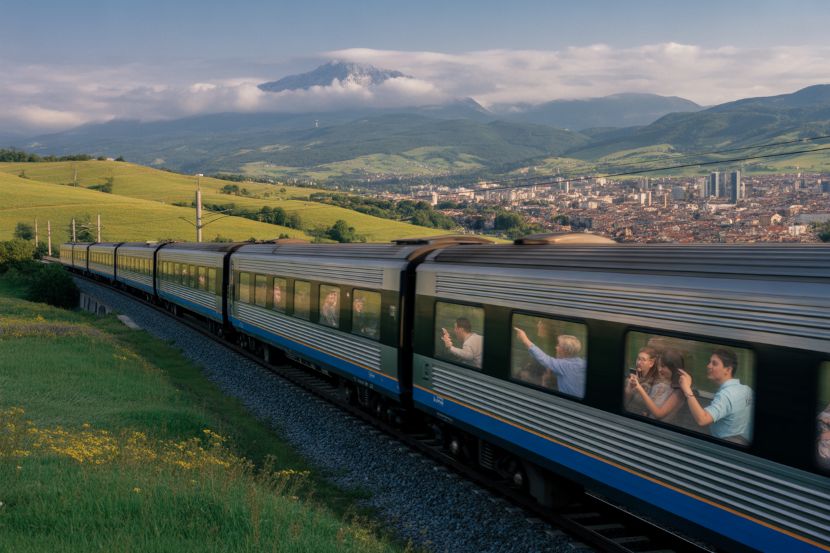
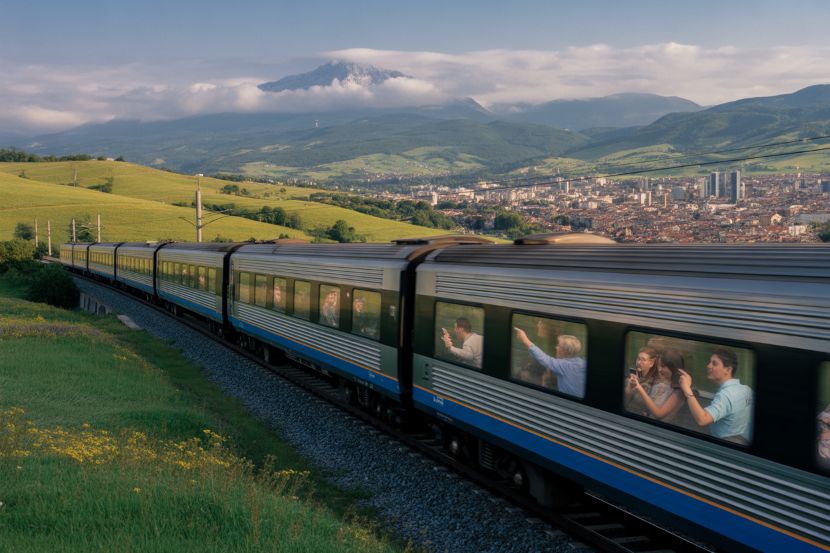
A long-awaited transformation is coming to the Balkans as a direct rail link between Sofia, Bulgaria, and Thessaloniki, Greece, is set to resume in 2027 after nearly a decade. This major development promises to revitalize regional connections, offering a seamless passage for travelers, tourists, and goods between two of Southeast Europe’s most significant cities. This move is part of a broader regional effort to improve rail infrastructure, connecting the Danube region with the Aegean coast, and fostering a smooth north-south corridor that will benefit tourism, business, and freight transport.
Resuming a Vital Link Between Two Countries
The Sofia–Thessaloniki route, which was last operational in 2017, holds historical and economic significance for both countries. This rail connection provides a direct, comfortable travel option for passengers traveling between Bulgaria and Greece. Once operational, this link will once again serve as a strategic cross-border route, enabling easier travel for tourists eager to explore the cultural riches of these two countries, from ancient Roman sites in Sofia to Mediterranean beaches near Thessaloniki.
For tourists, this revival is exciting news. Thessaloniki, known for its lively atmosphere, rich heritage, and Mediterranean flavors, offers an ideal gateway for travelers from Bulgaria to explore the iconic Greek coastline, while also opening doors for Greeks to explore Bulgaria’s stunning Black Sea coast and mountainous landscapes.
A Part of a Bigger Vision: The North-South Rail Corridor
This reopening is not just about reconnecting two cities. The Sofia–Thessaloniki rail link is part of a much larger vision. Bulgarian, Greek, and Romanian officials are working together to create a continuous rail corridor stretching from the Danube River to the Aegean Sea. The initiative aims to make travel across Southeast Europe quicker, more efficient, and environmentally friendly. This new transport artery promises to be a major boost for regional mobility, reducing travel times, encouraging cross-border tourism, and promoting economic activity across the region.
Notably, the rail link is a vital piece of this cross-border puzzle. It ties in with plans for the modernization of railways between Sofia, Thessaloniki, and Bucharest, creating a seamless rail connection that will improve both passenger and freight transport. The three countries involved are already in talks to secure European Union funding for the upgrade of this corridor, with hopes of seeing it fully operational by 2030.
A Boost to Tourism and Regional Mobility
The revived Sofia–Thessaloniki link holds immense potential for tourism. The two cities attract a diverse range of visitors, from history enthusiasts to beachgoers, food lovers, and adventure seekers. For example, Sofia, one of Europe’s oldest capitals, is a hub for visitors interested in its ancient history, vibrant arts scene, and proximity to nature. Meanwhile, Thessaloniki, with its stunning mix of Byzantine architecture and Mediterranean charm, is a beacon for those seeking a cultural escape.
Advertisement
Advertisement
In addition to the leisure travel benefits, the improved rail corridor will also cater to business travelers who regularly commute between these countries. The ease of access will support cross-border trade, particularly in sectors like agriculture, manufacturing, and technology.
For tourists, planning a trip between Bulgaria and Greece will be much more convenient. Travelers will no longer have to rely solely on buses or flights, which can be more expensive and time-consuming. The new rail link offers a sustainable, cost-effective, and scenic alternative.
Advertisement
Advertisement
Infrastructure Expansion: The Key to Success
The development does not stop at the Sofia–Thessaloniki link. There are broader plans to improve infrastructure, including the construction of new Danube crossings such as the Ruse–Giurgiu bridge. These new connections will complement the rail network and ensure better coordination across borders, facilitating smoother transport for both goods and people.
As part of this effort, other infrastructure projects in the region are also on the table. These include plans to upgrade the Svilengrad to Plovdiv rail corridor, with a new tunnel under the Balkan Mountains to boost speed and capacity. Such projects will further enhance the appeal of the region as a tourism destination, making it easier for travelers to explore diverse destinations across the Balkans.
Future Prospects: The Rail Revolution in the Balkans
Looking beyond the immediate future, the Sofia–Thessaloniki rail link is just the beginning of a wider railway revolution across the Balkans. Officials are already working on expanding the rail network to encompass additional cross-border links, including new Danube bridges and even the reactivation of the Ruse–Giurgiu ferry line. Together, these efforts will pave the way for a seamless travel experience across Southeast Europe, offering a fast, convenient, and scenic alternative to driving or flying.
Travel Tips for Tourists
Traveling along this new rail corridor will undoubtedly offer new experiences for tourists:
- Pack light for convenience: European trains, especially those running between countries like Greece and Bulgaria, are designed for efficiency. A lightweight bag will help you move easily between stations.
- Book tickets in advance: High-speed trains often have limited seating, so booking ahead can save both time and money.
- Explore local attractions: Whether you are visiting Sofia or Thessaloniki, don’t miss out on the local cuisine and cultural sites. Both cities boast historical landmarks and lively city centers, ideal for strolling and sightseeing.
- Enjoy the scenic views: The rail routes between these two cities pass through some beautiful landscapes, from the Balkan Mountains to the shores of the Aegean Sea.
