

Bratislava, February 1, 2026 — Brussels Morning Newspaper notes, Slovakia has entered a period of intense political scrutiny after the emergence of internationally circulated documents tied to the global Epstein investigation, with Epstein files Slovakia rapidly becoming a defining issue in the country’s political discourse. The developments have placed senior governance structures under pressure, triggered parliamentary debate, and raised renewed questions about transparency, accountability, and reputational risk in public office.
The documents, released as part of broader international disclosures, contain historical references that prompted immediate attention from Slovak media and political actors. While no criminal wrongdoing has been established, the political consequences have unfolded swiftly, underscoring how global controversies can reverberate within national borders.
How the Documents Surfaced
The renewed attention emerged after international investigative platforms republished archival materials linked to the Epstein case. These materials, already known in some circles, gained fresh visibility due to expanded cross-border collaboration among journalists.
In Slovakia, references connected to the disclosures prompted officials to clarify their positions publicly. Authorities confirmed that Epstein files Slovakia did not originate from domestic intelligence or law enforcement sources, emphasizing that the material was part of a wider international release beyond national control.
Immediate Political Reaction
Within hours of the disclosures gaining traction, opposition parties called for explanations from government leadership. Parliamentary committees scheduled emergency briefings, and lawmakers urged caution while demanding clarity.
Political analysts observed that Epstein files Slovakia quickly evolved from a media story into a political stress test. Even without verified allegations, the presence of names or indirect references proved sufficient to intensify public concern.
Government Communication Strategy
The Slovak government adopted a measured communication approach, focusing on due process and institutional integrity. Senior officials reiterated that Slovakia’s legal standards require evidence-based conclusions rather than speculation.
Briefings stressed that Epstein files Slovakia should not be interpreted as proof of misconduct. Authorities pledged cooperation with oversight bodies and promised transparency throughout any procedural reviews.
Public Opinion and Media Landscape
Public response has been divided. Some citizens view the issue as a necessary moment of accountability, while others warn against reputational damage driven by unverified information.
Media outlets across Slovakia adopted varying editorial approaches, ranging from investigative reporting to cautious analysis. The phrase Epstein files Slovakia became one of the most searched political topics nationally, reflecting widespread public interest and concern.
Parliamentary Oversight and Debate
Lawmakers initiated discussions on whether existing oversight mechanisms are sufficient to handle reputational crises linked to international disclosures. Several proposals focused on strengthening ethics reporting requirements for senior officials.
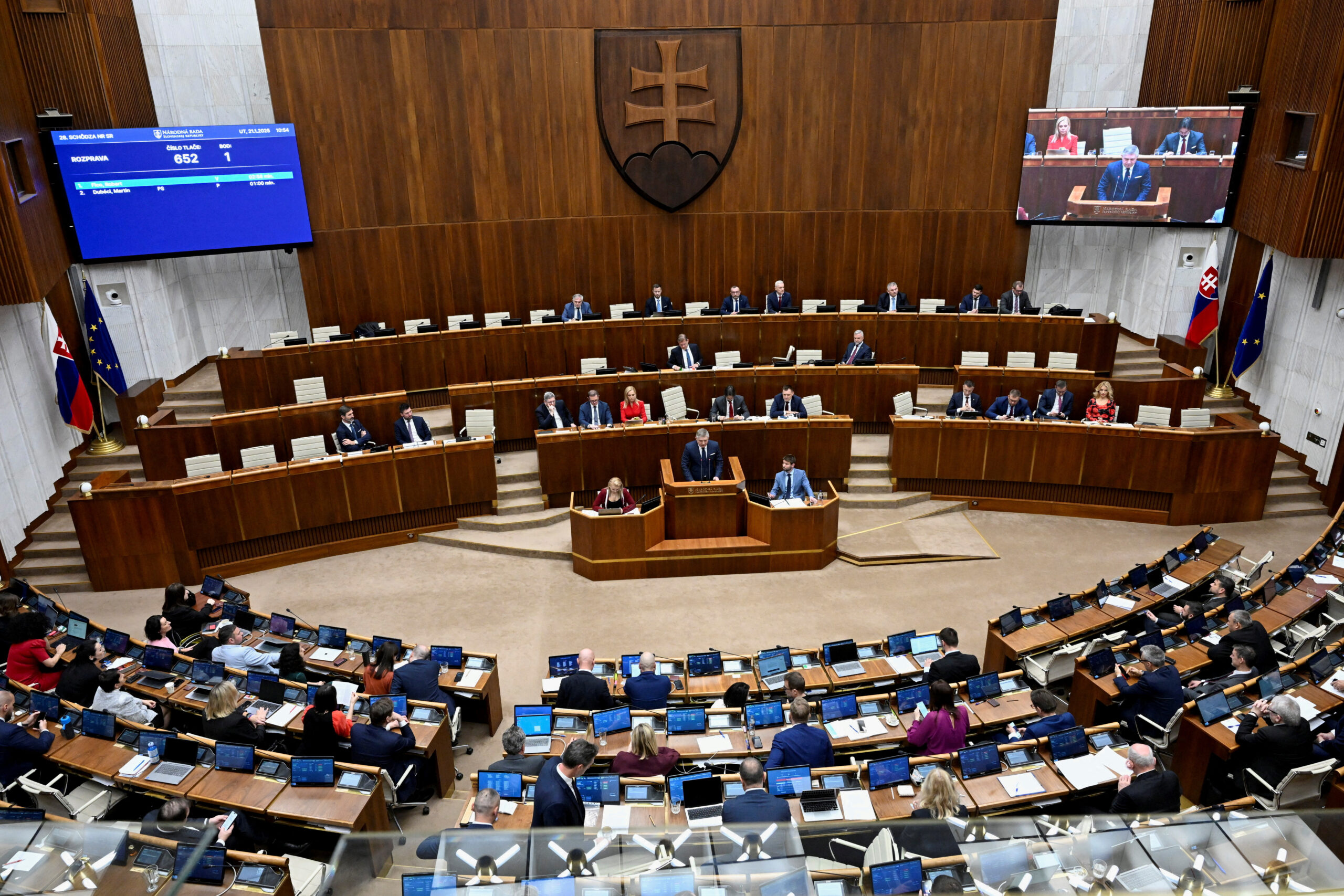
During debates, opposition figures argued that Epstein files Slovakia exposed vulnerabilities in public trust, while governing parties emphasized stability and procedural fairness.
Legal Context and Standards
Legal experts emphasized that document mentions do not equate to legal responsibility. Slovak law requires direct evidence and judicial review before any conclusions can be drawn.
From a legal standpoint, Epstein files Slovakia highlight the complex intersection between public accountability and the presumption of innocence, a cornerstone of democratic systems.
International Attention and Diplomatic Impact
European partners monitored developments closely, particularly given Slovakia’s role in regional security frameworks. Diplomatic sources indicated that the situation was discussed informally within policy circles, though no formal actions were taken.
Observers noted that Epstein files Slovakia illustrate how interconnected information flows can amplify domestic political challenges beyond national boundaries.

National Security and Institutional Stability
While the controversy remains political in nature, analysts raised questions about continuity in advisory and governance roles. Officials reassured allies that all national security functions remain operational and unaffected.
Government statements emphasized that Epstein files Slovakia would not disrupt intelligence coordination or international commitments, stressing continuity and professionalism within institutions.
Civil Society and Transparency Demands
Civil society organizations urged the government to seize the moment to enhance transparency frameworks. Advocacy groups called for clearer disclosure standards and independent oversight mechanisms.
For many observers, Epstein files Slovakia represent a catalyst for broader conversations about governance reform rather than a singular political event.
Economic and Market Sentiment
Although financial markets showed no immediate reaction, analysts cautioned that prolonged political uncertainty could affect investor confidence if left unresolved.
Economic experts noted that reputational stability plays a role in long-term investment decisions, particularly when Epstein files Slovakia dominate international headlines.
Evolution of Governance Oversight in Slovakia
Slovakia’s modern political history includes several moments where international developments influenced domestic accountability debates. Since joining the European Union, the country has periodically faced scrutiny related to transparency, judicial reform, and governance standards.
The emergence of Epstein files Slovakia fits within this broader historical pattern, where external revelations accelerate internal political reckoning. Previous episodes have led to reforms, leadership changes, and renewed emphasis on institutional safeguards.
One Official Statement
In addressing the unfolding situation, a senior government figure said,
“Slovakia will assess every implication responsibly and will not substitute speculation for lawful investigation.”

Crisis Management and Policy Review
In response to the controversy, government departments initiated internal reviews aimed at reinforcing ethical guidelines. Officials confirmed that procedures would be updated where gaps are identified.
Analysts argue that Epstein files Slovakia could ultimately strengthen governance if reforms are implemented effectively and transparently.
Media Ethics and Responsible Reporting
Journalistic organizations emphasized the importance of responsible reporting, urging outlets to distinguish between verified facts and conjecture. Editors highlighted the risk of misinformation spreading rapidly during politically sensitive periods.
The challenge posed by Epstein files Slovakia has renewed debates about journalistic standards in the digital age.
Comparative European Perspective
Similar controversies have emerged across Europe in recent years, often linked to global investigative releases. Political scientists note that Slovakia’s response will likely be compared with how neighboring states manage reputational crises.
In this context, Epstein files Slovakia serve as a case study in crisis communication and institutional resilience.
Long-Term Political Consequences
Looking ahead, analysts predict lasting political implications. Ethics reforms, disclosure laws, and public trust initiatives are expected to feature prominently in legislative agendas.
Whether Epstein files Slovakia fade quickly or reshape political norms will depend on the government’s follow-through and transparency.
Public Trust and Democratic Resilience
Public trust remains the central challenge. Surveys suggest that citizens expect openness without compromising legal fairness.
The handling of Epstein files Slovakia will likely influence voter sentiment and perceptions of leadership accountability in future elections.
The Road Ahead for Bratislava
As 2026 progresses, Slovakia faces the task of balancing calm governance with legitimate public concern. Parliamentary reviews continue, and officials maintain that all processes will follow constitutional principles.
Ultimately, Epstein files Slovakia may mark a turning point — not because of legal outcomes, but because of how institutions respond under scrutiny.
Beyond the Documents
The controversy underscores a defining reality of modern politics: information travels globally, and domestic systems must respond rapidly yet responsibly. Slovakia’s experience reflects the broader challenges faced by democracies in an interconnected world.
As attention gradually shifts from headlines to policy outcomes, the legacy of Epstein files Slovakia will rest on whether transparency, restraint, and institutional strength prevail.