
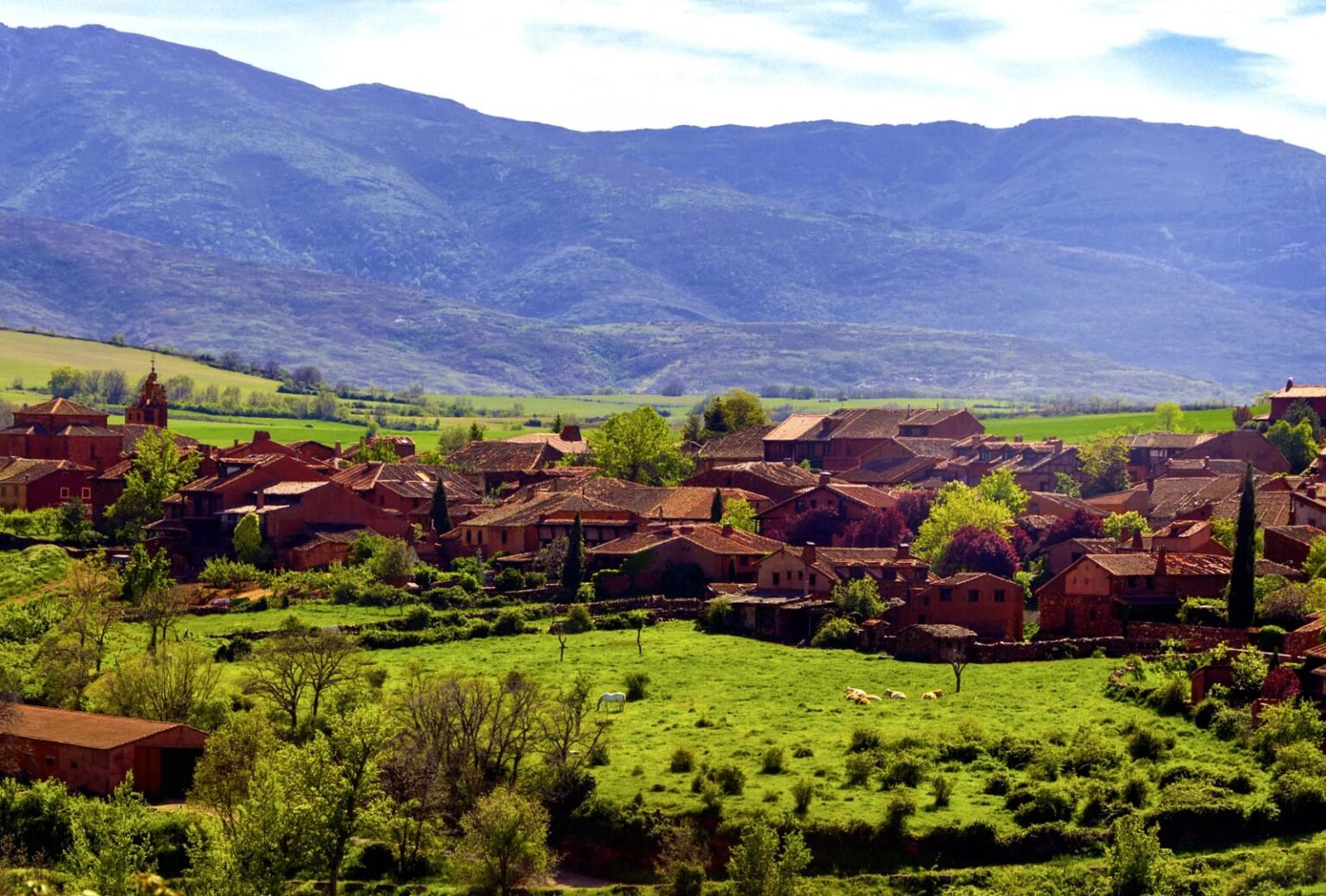
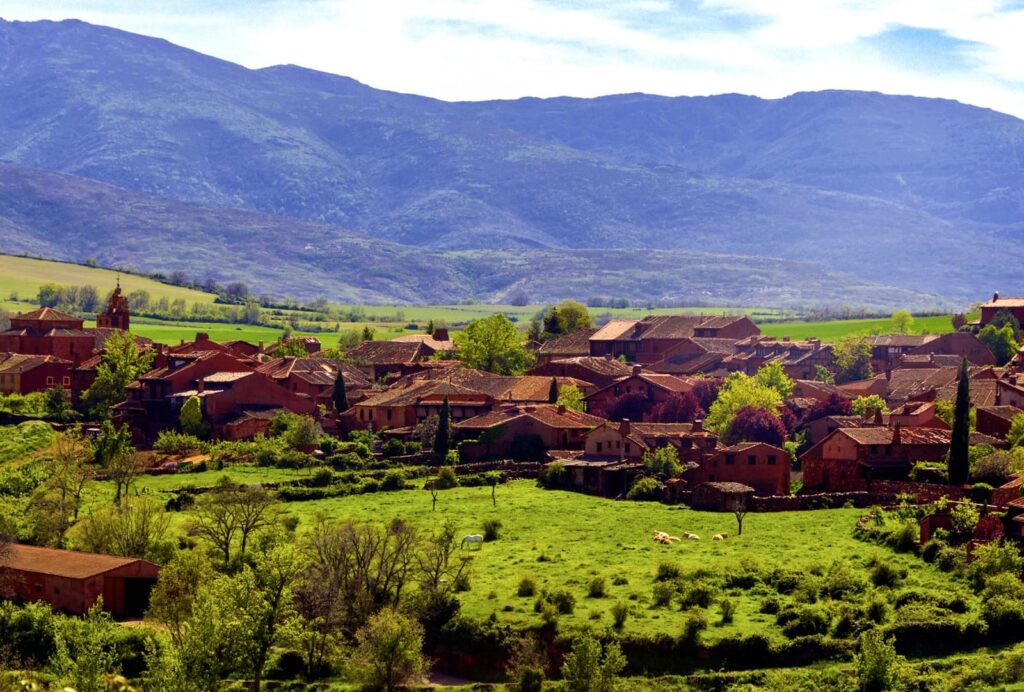
In Spain, as in other European countries, the process of repopulation of depopulated areas with Latino immigrants is growing. Credit: Javier Martin Espartosa, CC BY-NC-SA 2.0 / Flickr.
The Latino immigrant population has become an option for repopulating villages in Spain, in what is known as rural Spain or “Empty Spain.”
Following rural depopulation that began in the 1950s and continues to this day, hundreds of small towns in inland Spain have been left nearly abandoned—a phenomenon also seen in other European countries like Italy.
For many years, migration to cities left vast territories with almost no population. However, the arrival of immigrants—especially from Morocco and Latin America—is bringing life back to these areas.
Latin American immigrants repopulate Spain’s villages
In recent decades, Spain has faced a significant demographic challenge: the depopulation of its rural areas. Entire municipalities—particularly in regions like Aragon, Castile and León, and Castile-La Mancha—have seen residents migrate to urban centers, leaving behind villages with deteriorating infrastructure and aging populations.
To counter this trend, various initiatives have aimed to revitalize these communities. One of the most notable strategies has been welcoming Latin American migrants.
The phenomenon of rural repopulation through Latin American migration began to take shape in the early 21st century. Driven by labor demands in sectors like agriculture and hospitality—as well as integration policies and targeted programs—this movement has allowed many families to rebuild their lives in villages across Spain.
Organizations such as Accem and initiatives like the Arraigo project have played a key role in this process, helping families settle in municipalities seeking new residents. These programs provide not only housing and employment opportunities, but also comprehensive support to ensure successful integration into the local community.
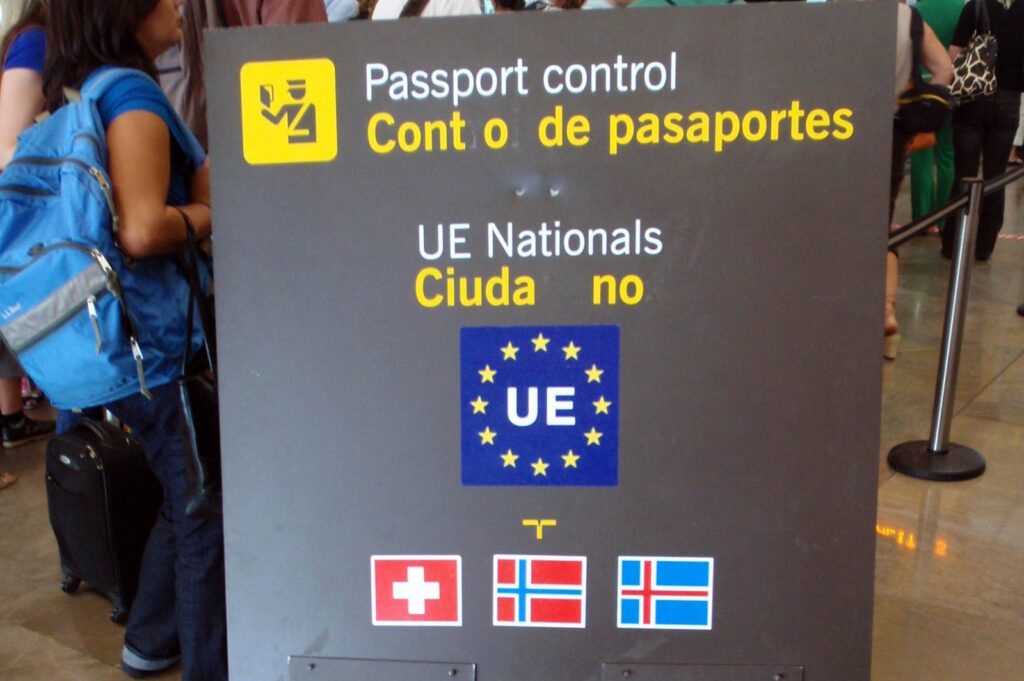
Credit: Daniel Lobo, CC BY 2.0 / Wikimedia..
‘Empty Spain’: A country vanishing among abandoned villages
The term “Empty Spain” refers to the widespread depopulation affecting large areas of the country’s interior—regions where industrialization has barely arrived and where agriculture and livestock farming remain the primary economic activities.
These are territories where towns are steadily losing residents, resulting in aging communities with no generational replacement and increasingly limited access to basic services.
This process has deep historical roots. During the 20th century—especially from the 1950s and 1960s onward—thousands of people left the countryside for the cities in search of jobs and better living conditions, drawn by industrial growth and urban development.
The mechanization of agriculture reduced the need for farm labor, accelerating the rural exodus. Decades of public policy favoring major cities further deepened the divide, leaving rural areas with underdeveloped infrastructure and fewer opportunities.
Today, Empty Spain faces a fight for survival. In many towns, only a handful of residents remain, and health care, education, and transportation services are severely lacking. The problem is no longer just demographic—it is also social, economic, and political.
Revitalizing these regions is an urgent task, essential to prevent them from vanishing entirely.
Burbaguena: Rebirth in a small Aragonese village, Spain
An emblematic example of this process is Burbáguena, a small town in the province of Teruel, Aragon. Before 2021, Burbáguena faced an aging and declining population.
That changed with the opening of an international protection applicant center run by Accem, marking a turning point for the town. Since then, more than 1,000 people have passed through the center, and around 100 have settled in the area.
The population has grown from 200 to over 350 inhabitants. Services such as the pharmacy, bar, and bakery have reopened, fueled by demand from the new residents.
Mayor Joaquín Peribáñez emphasizes the empathy and resilience of the migrants, many of whom have fled traumatic situations in their home countries. Coexistence has been positive, and local residents appreciate the revitalization brought by the arrival of these families.
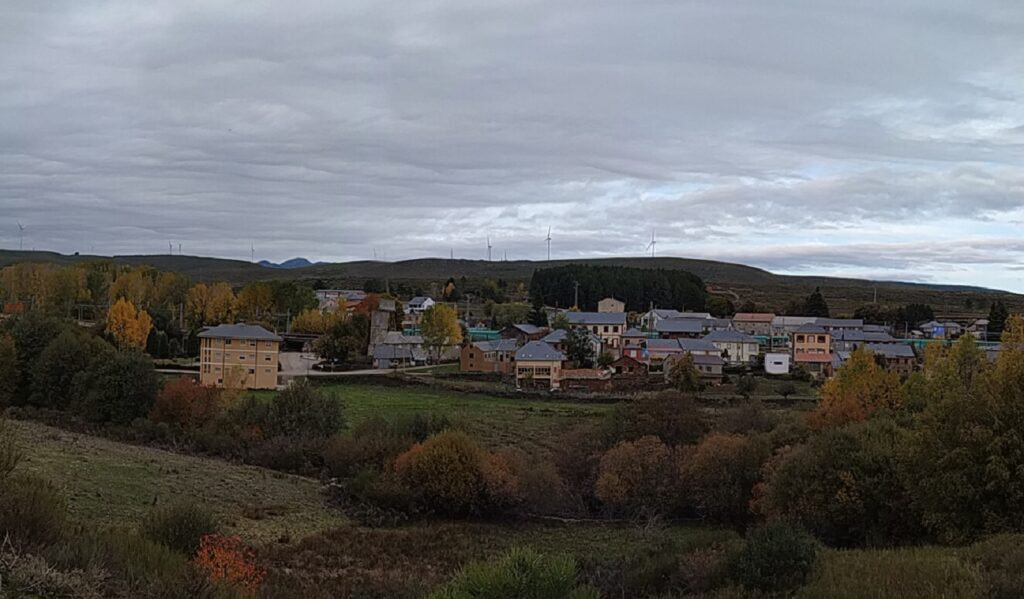
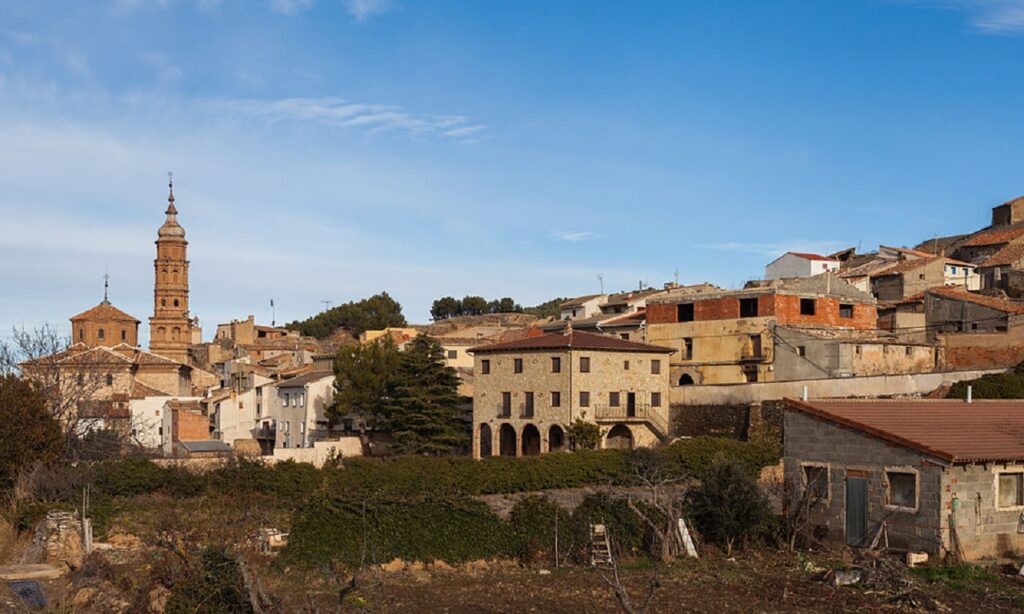 Credit: Diego Delso, CC BY-SA 3.0 / Wikimedia.
Brañuelas: a new life in Castilla and Leon
In the town of Brañuelas, in the province of León, in the Castile and León region, the arrival of a Colombian family fleeing violence in their home country represented a fresh opportunity—not only for the family but also for the town.
Thanks to the “New Beginning” (Nuevo Comienzo) program, promoted by the León Provincial Council and various associations, the family found employment, housing, and a welcoming community.
The presence of their children allowed a classroom in the local school to reopen, and their successful integration has even contributed to the launch of new businesses in the village.
Mayor Carolina López emphasizes the need to improve transportation and communication services to support integration and attract more families.
Despite existing challenges, the experience in Brañuelas demonstrates that rural repopulation is achievable with the right support systems in place.
Credit: Galopax, CC BY-SA 4.0 / Wikimedia.
Paredes de Nava: community and entrepreneurship
Paredes de Nava, in the province of Palencia—also located in the Castile and León region—has undergone a remarkable transformation thanks to the arrival of Latin American migrants, particularly Argentines and Cubans.
The Arraigo program has supported the settlement of these families, who have contributed significantly to the town’s economic and social revitalization.
Flor and Federico, an Argentine couple, opened a restaurant that has become a community hub. This past Christmas Eve, they hosted around 40 fellow Argentines, showcasing the emergence of a strong support and coexistence network.
Meanwhile, José Laurencio Sánchez, a 65-year-old Cuban migrant, shares his desire to remain in Spain, where he has found peace and opportunities that were lacking in his home country.
His story reflects the gratitude and hope felt by many migrants who have found a new beginning in these rural towns.
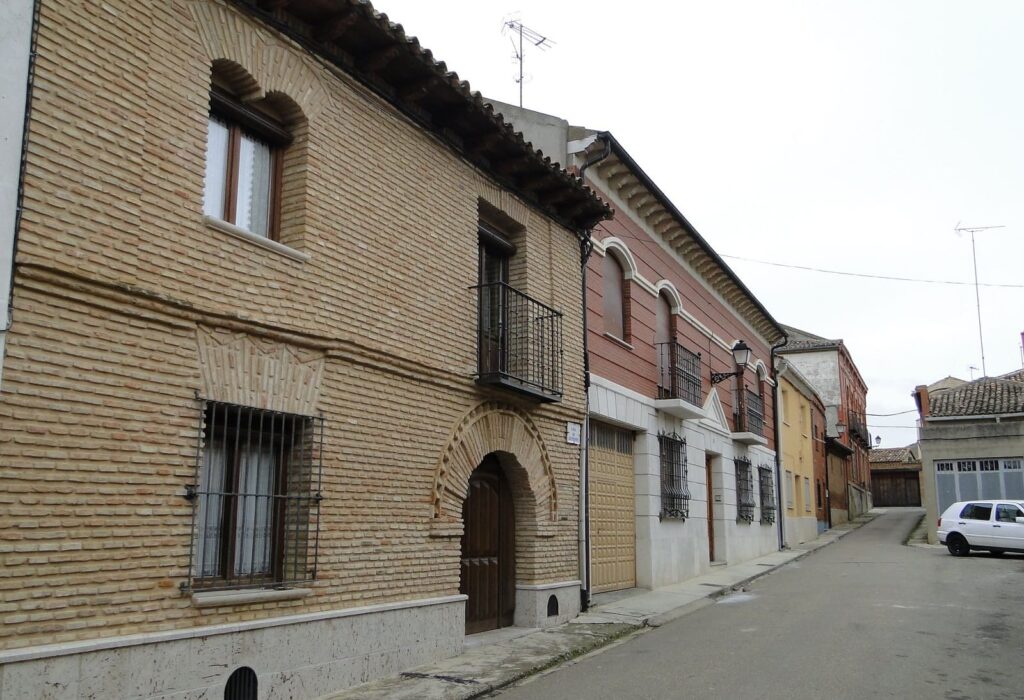
Credit: Santiago Lopez Pastor, CC BY-ND 2.0 / Flickr.
The future of Latino immigrants and the repopulation of a ’empty Spain’
Despite advances, rural repopulation through migration faces significant challenges. Bureaucracy, lack of basic services, and transportation limitations hinder the full integration of families.
Furthermore, the need to regularize the legal status of many migrants is an obstacle requiring urgent attention.
However, success stories in towns like Burbaguena, Brañuelas, and Paredes de Nava demonstrate that, with suitable policies and the commitment of local communities, it is possible to reverse depopulation and build more inclusive, dynamic societies.
Repopulating Spain’s villages by welcoming Latin American migrants represents a unique opportunity to revitalize declining rural areas.
Beyond demographic and economic benefits, this phenomenon promotes cultural diversity and strengthens the social fabric. With support from specific programs and the willingness of communities, Spain can transform its ‘España vaciada’ (empty Spain) into a ‘España viva’ (living Spain), welcoming to all.