
“There are other health care centers in the mix as well as other agencies that helped write the application that are added to the pot,” DeHart said, which could reduce the share that reaches rural hospitals. She also said larger metro hospitals are already making arguments that they should qualify for some funding because they treat patients from rural ZIP codes, adding competition for a limited pool.
A scorecard approach could decide who gets what
The Missouri Hospital Association has said the state’s next steps include finalizing an agreement with the federal government and moving funding into action for items tied to hub activation, workforce initiatives, and technology procurement. DeHart said rural hospital leaders are monitoring those developments closely, but many small hospitals may struggle to keep up if the process becomes a rigorous RFP or RFI-style competition requiring extensive documentation and reporting.
What the funding can and cannot pay for
A key concern for rural hospitals is whether the program’s rules align with the most urgent needs on the ground. DeHart said hospital leaders have been told the funding cannot be used for major construction projects and is not expected to cover replacement of large, high-cost equipment and facility systems, such as MRIs or end-of-life HVAC. She also said the rules are not designed to function as broad operating support, such as across-the-board salary costs for recruitment or retention.
Instead, DeHart said the funding is expected to prioritize “transformation” activities, such as workforce development, care coordination and regional networks, telehealth expansion, interoperability and technology, and support for essential services like behavioral health and chronic care. She added that some infrastructure upgrades may be allowed within limits, but not the types of major facility needs many critical access hospitals face.
Medicaid headwinds remain a looming risk
DeHart also pointed to broader federal policy changes that could worsen rural hospital finances even as the new fund is rolled out. She said the legislation that created the program also includes long-term Medicaid cuts that could reduce rural funding substantially over the next decade.
Jessica Knurick, a registered dietitian with a PhD in nutrition science who educates on nutrition policy and public health on a national level, argued that officials are framing the rural health fund as a historic win while glossing over the scale of Medicaid reductions that could increase the number of uninsured patients and raise pressure on rural hospitals and nursing homes that rely heavily on Medicaid. In her view, the messaging risks encouraging the public to celebrate a partial offset while ignoring the baseline losses.
What happens next in Missouri
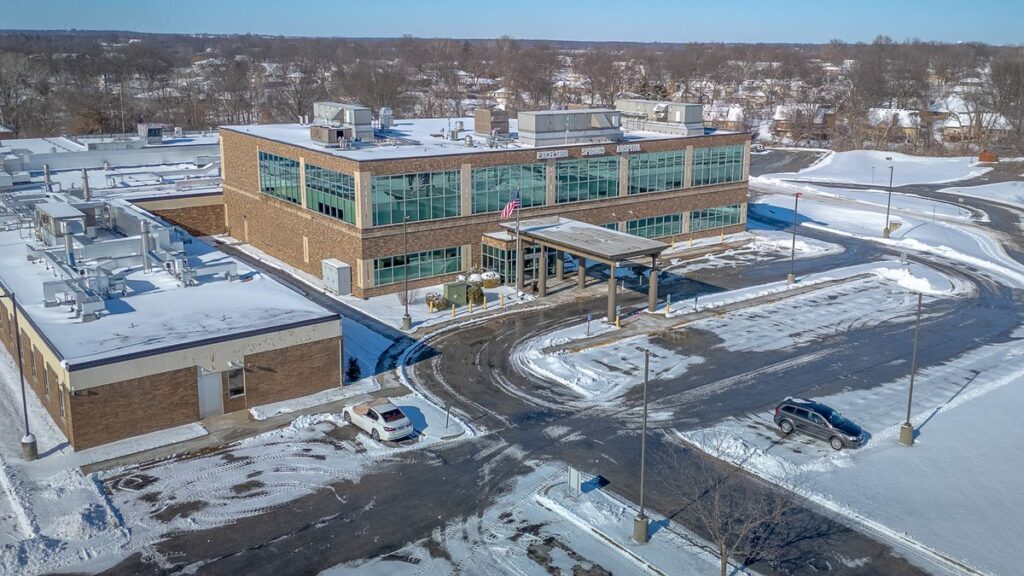
For rural providers, the next phase will determine whether the funding is transformative or simply symbolic. DeHart said Missouri must finalize dashboards, scorecards, and distribution methods, and hospitals may need to apply for awards through a formal process. She said Excelsior Springs Hospital plans to participate, but is not budgeting around these funds in the current calendar year.
“If done correctly, the intent is that it will truly transform care delivery, payment, workforce, and hospital operations to support continued operations in Missouri,” DeHart said. “The reality right now is that most critical access hospitals are spiraling, and many won’t have the time, opportunity, or resources to respond to the rigorous application process to collect their piece of the funding.”
For now, Missouri’s award is real, and it may eventually support improvements in coordination, technology, and targeted service expansion. Whether the dollars reach the communities and facilities under the greatest strain will depend on the rules Missouri adopts, how competitive the process becomes, and how quickly money moves from announcement to implementation.
Sources
CMS RHT Program overview: https://www.cms.gov/priorities/rural-health-transformation-rht-program/overview
CMS awards announcement: https://www.cms.gov/newsroom/press-releases/cms-announces-50-billion-awards-strengthen-rural-health-all-50-state
Governor Kehoe press release:
https://governor.mo.gov/press-releases/archive/governor-kehoe-secures-more-216-million-strengthen-rural-healthcare-missouri
MO HealthNet: https://dss.mo.gov/mhd/
Missouri Hospital Association statement: https://www.mohospitals.org/newsroom/mha-applauds-missouris-216-million-rural-health-transformation-program-award/
Missouri Independent reporting: https://missouriindependent.com/2025/12/30/missouri-wins-216-million-from-feds-to-close-rural-health-gap/
KFF rural Medicaid impact analysis: https://www.kff.org/medicaid/how-might-federal-medicaid-cuts-in-the-enacted-reconciliation-package-affect-rural-areas/