Avalanche thinks the fusion power industry should think smaller
Avalanche thinks the fusion power industry should think smaller

Avalanche thinks the fusion power industry should think smaller
Avalanche thinks the fusion power industry should think smaller
1 Comment
From the article
“We’ve figured out that using this sort of SpaceX ‘new space’ approach is that you can iterate really quickly, you can learn really quickly, and you can solve some of these challenges,” said Langtry, who worked with co-founder Brian Riordan at Blue Origin.
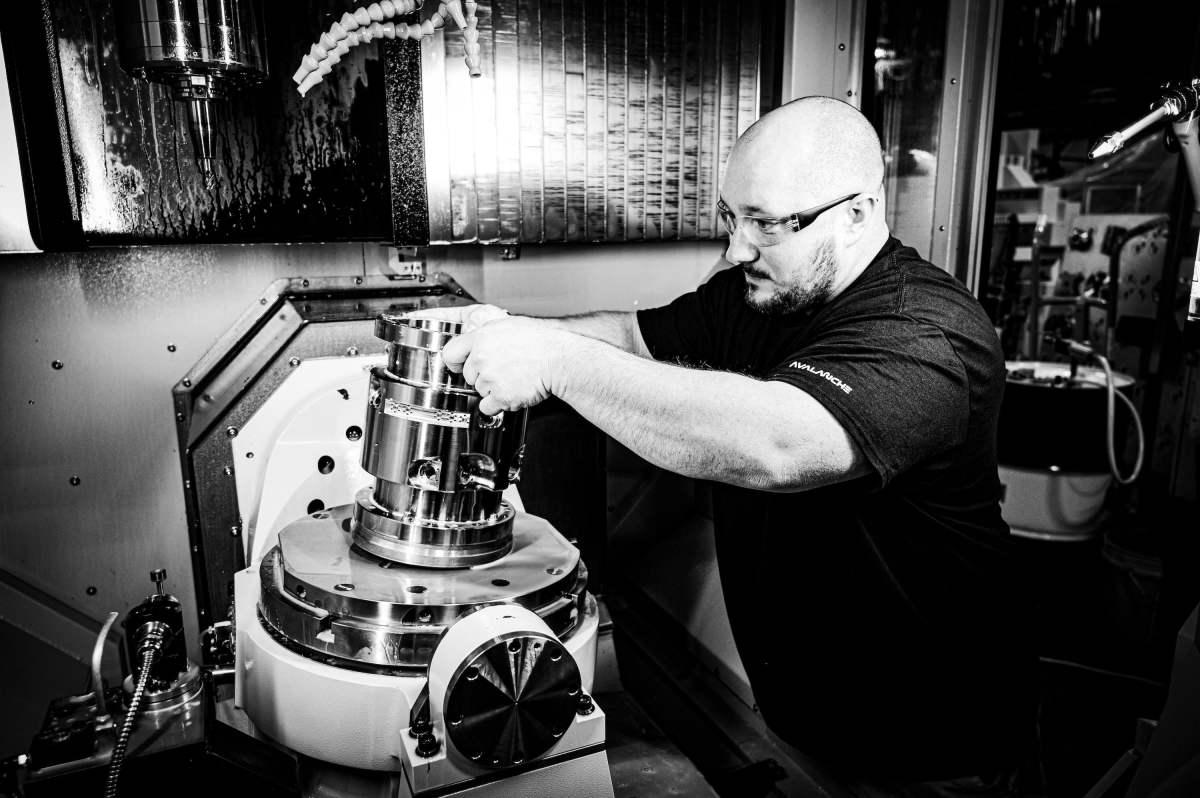
Going smaller allowed Avalanche to speed up. The company has been [testing changes](https://techcrunch.com/2025/07/23/avalanche-energy-hits-key-milestone-on-the-road-to-a-desktop-fusion-reactor/) to its devices “sometimes twice a week,” something that would be challenging and costly with a large device.
Currently, Avalanche’s reactor is only 9 centimeters in diameter, though Langtry said a new version grows to 25 centimeters and is expected to produce about 1 megawatt. That, he said, “is going to give us a significant bump in confinement time, and that’s how we’re actually going to get plasmas that have a chance of being Q>1.” (In fusion, Q refers to the ratio of power in to power out. When it’s greater than 1, the fusion device is said to be past the breakeven point.)
Those experiments will be carried out at Avalanche’s FusionWERX, a commercial testing facility the company also rents out to competitors. By 2027, the site will be licensed to handle tritium, an isotope of hydrogen that’s used as fuel and is crucial to many fusion startup’s plans for producing power for the grid.