
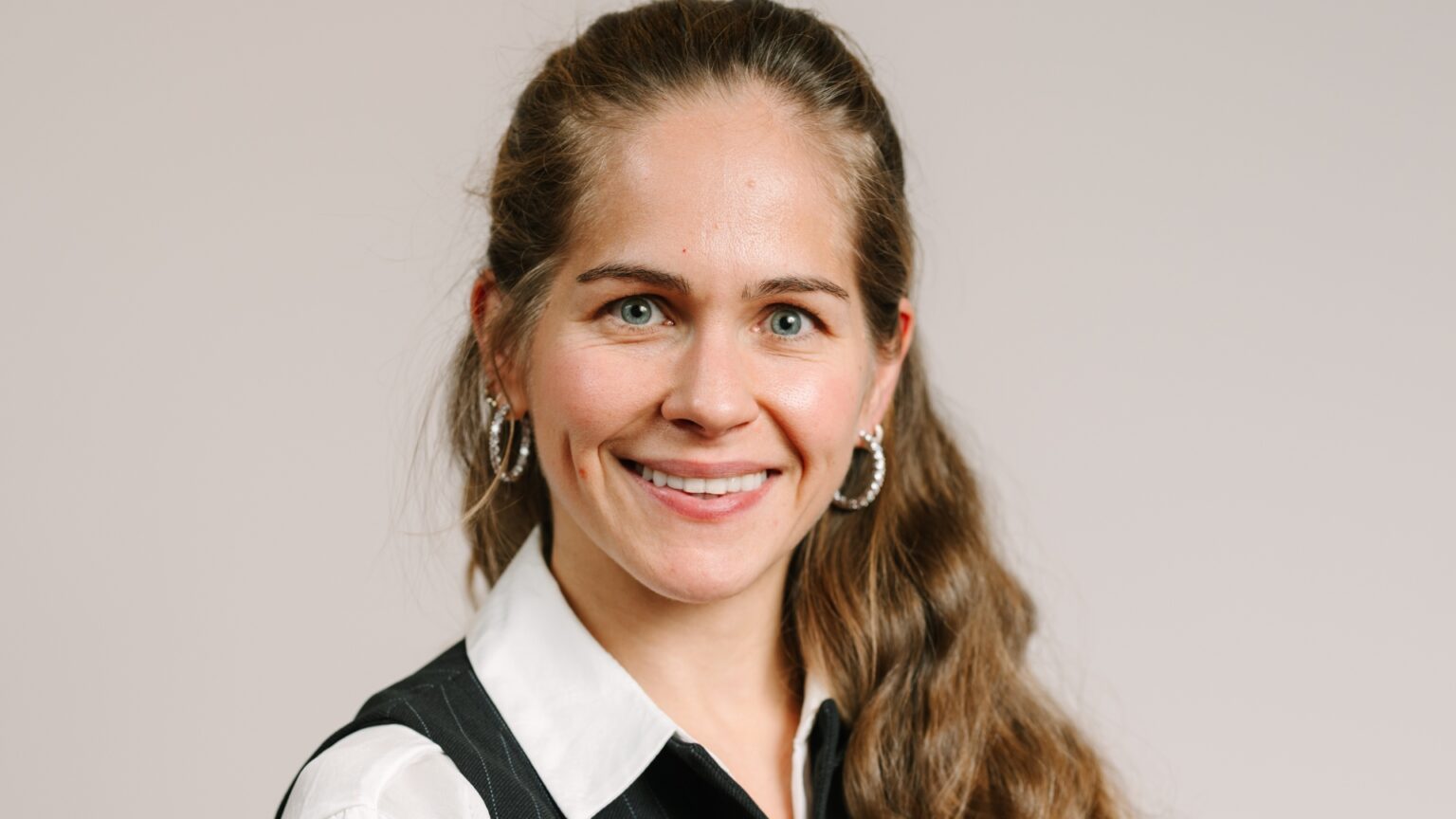
Romania’s agricultural landscape is undergoing a dynamic transformation, fuelled by innovation and resilience. At the heart of this progress stands Bayer’s dedicated team, whose focus is on forging new paths to ensure food security and sustainability. Drawing on a wealth of international experience, Jennifer Gilberg, Managing Director for Bayer Romania and Country Division Head for Crop Science in Romania, Bulgaria, and the Republic of Moldova Country Group, leads with vision and determination. Her leadership is helping shape a brighter, more competitive future for farmers across the region.
By Anda Sebesi
In light of your recent arrival in Romania, what are your initial impressions of the country, the Bayer team, and the agricultural business environment?

Since arriving in Romania, I’ve been impressed by the country’s rich cultural heritage, traditions, and the warmth of its people. What stands out immediately is how this cultural depth influences the business environment, creating a unique blend of traditional values and forward-thinking approaches. The members of the Bayer team here have impressed me with their dedication, passion, collaborative spirit, and deep understanding of local market needs. I’ve observed a strong commitment to excellence across all departments, combined with an innovative mindset that drives continuous improvement.
The team works alongside the farmer and does an incredible job in adapting to the changing market environment. Romanian agriculture is facing a very different reality compared to a few years ago. While the sector has been impacted by a mix of factors—climate extremes, financial and profitability challenges, regulatory limitations, geopolitical challenges—I see opportunities for growth through innovation and solutions that combine food security and sustainability.

We are working relentlessly to give farmers access to the full range of innovative technologies—biotech, crop protection, biological solutions, digital tools—all with the aim to face climate change and produce more with less. Romania plays a pivotal role in European agriculture and is a strategic transit hub, therefore we, as an industry, must work together on our farmers’ competitiveness, productivity, and sustainability.
Can you share the key professional milestones that have led you to your current roles at Bayer?

My professional journey has been a fulfilling path of continuous growth and diverse experiences, spanning over 18 years across various international markets. I’ve had the privilege of leading commercial operations and driving strategic transformations in regions such as Latin America—specifically in Colombia and Brazil—as well as in Europe, including Spain, Germany, and Switzerland. These roles allowed me to hone my expertise in marketing, commercial operations, customer experience, go-to-market transformation, and digital. My academic foundation, comprising a degree in Business Administration and an International MBA from IE Business School in Madrid, has provided a robust framework for these practical experiences. Stepping into the leadership role for Bayer Romania and the Country Division Head for Crop Science across Romania, Bulgaria, and the Republic of Moldova, is an exciting opportunity to apply my experience to a region with immense potential.
How would you describe your leadership style? How does it influence the culture and effectiveness of your teams in both Romania and the broader Country Group?

My leadership style is rooted in clarity, ownership, and trust. I set high standards, encourage accountability, and empower teams to think independently while staying aligned to a shared direction and vision. I value open dialogue and measurable impact, and I am known for creating environments where people feel both supported and challenged to grow.
With experience leading commercial initiatives and driving innovation, I bring a hands-on, solution-oriented mindset and a strong sense of responsibility for outcomes. Especially stepping into managing the business here in the country, I enjoy ownership-driven leadership—shaping, challenging, and innovating. I expect the same accountability from others. Finally, orientation to discipline and performance is important to me; measurable progress and growth matter. I believe that this also links to my passion for sports and competing in different races such as marathons, triathlons, and trail running.
Looking ahead, what key challenges and opportunities do you see for agriculture in the region in 2026?
The sector faces significant challenges, particularly around climate change impacts and market instability. However, these challenges create opportunities for innovation. We aim to enable climate-resilient farming practices and solutions and provide adaptive crop management strategies. At the same time, investments in irrigation infrastructure are urgently needed. Continued access to EU agricultural subsidies and funding programmes provides essential support for modernisation.
How do you see technology and innovation shaping the future of farming in the region?
The agricultural sector is rapidly embracing digitalization. Precision agriculture technologies, including drones, IoT sensors, and data analytics, are revolutionising farming practices. These tools enable data-driven decisions, optimise resource use, and improve productivity while reducing environmental impact. The adoption of these technologies, combined with sustainable practices, is crucial for building a resilient agricultural system.
What is your vision for the Crop Science division, and what market trends do you anticipate?
Our vision is to lead in sustainable and innovative agricultural solutions across the region. We aim to provide innovative tools that enhance productivity while promoting environmental stewardship. Key market dynamics include the increasing adoption of precision agriculture, shifting consumer preferences towards sustainable products, risk management and tighter financial management, the impact of geopolitical uncertainties on input costs, and a gradual generational shift. Success will require agility in adapting to these changes while maintaining focus on sustainability and innovation.
What strategies do you recommend for enhancing agricultural resilience, and what advice would you give to future leaders?
Farmers should focus on diversifying crops and markets, investing in modern technologies, and adopting sustainable practices. Efficient water management and robust financial planning are essential. To future agricultural leaders, I emphasise the importance of embracing innovation while staying committed to sustainability. Build strong relationships with farmers, invest in continuous learning, and foster collaborative environments. Success lies in balancing technological advancement with environmental stewardship, always keeping in mind that our actions today shape the agricultural landscape of tomorrow.