Milan prosecutors this week identified their first suspect in an inquiry into claims that Italian and other foreign civilians paid members of the Bosnian Serb army to shoot at residents during the Bosnian war in the 1990s, Reuters reported.
The suspect in the probe into alleged “Sniper Safaris” to Sarajevo is an 80-year-old former truck driver living near Pordenone in northeastern Italy. The man, who has not been publicly named, has not been detained and has been summoned for questioning on Feb. 9.
According to Italian media, the prosecutor’s order says the suspect, “in collusion with other individuals still unknown,” and acting under “a single criminal plan,” caused the deaths of “defenseless civilians, including women, the elderly, and children, by firing sniper rifles from the hills surrounding the city of Sarajevo,” El País reported.
Testimony collected by prosecutors also shows that the suspect boasted about having “hunted men” in Sarajevo during the war, Italian media said. The suspect faces several charges, including multiple counts of premeditated murder, with prosecutors also considering aggravating factors such as “abhorrent motives.”
Italy has been investigating allegations that its nationals traveled to Sarajevo to shoot at civilians during the 1992-1995 conflict since November after a legal complaint was filed by Italian journalist and novelist Ezio Gavazzeni, who said rumors of so-called “human safaris” had circulated for years.
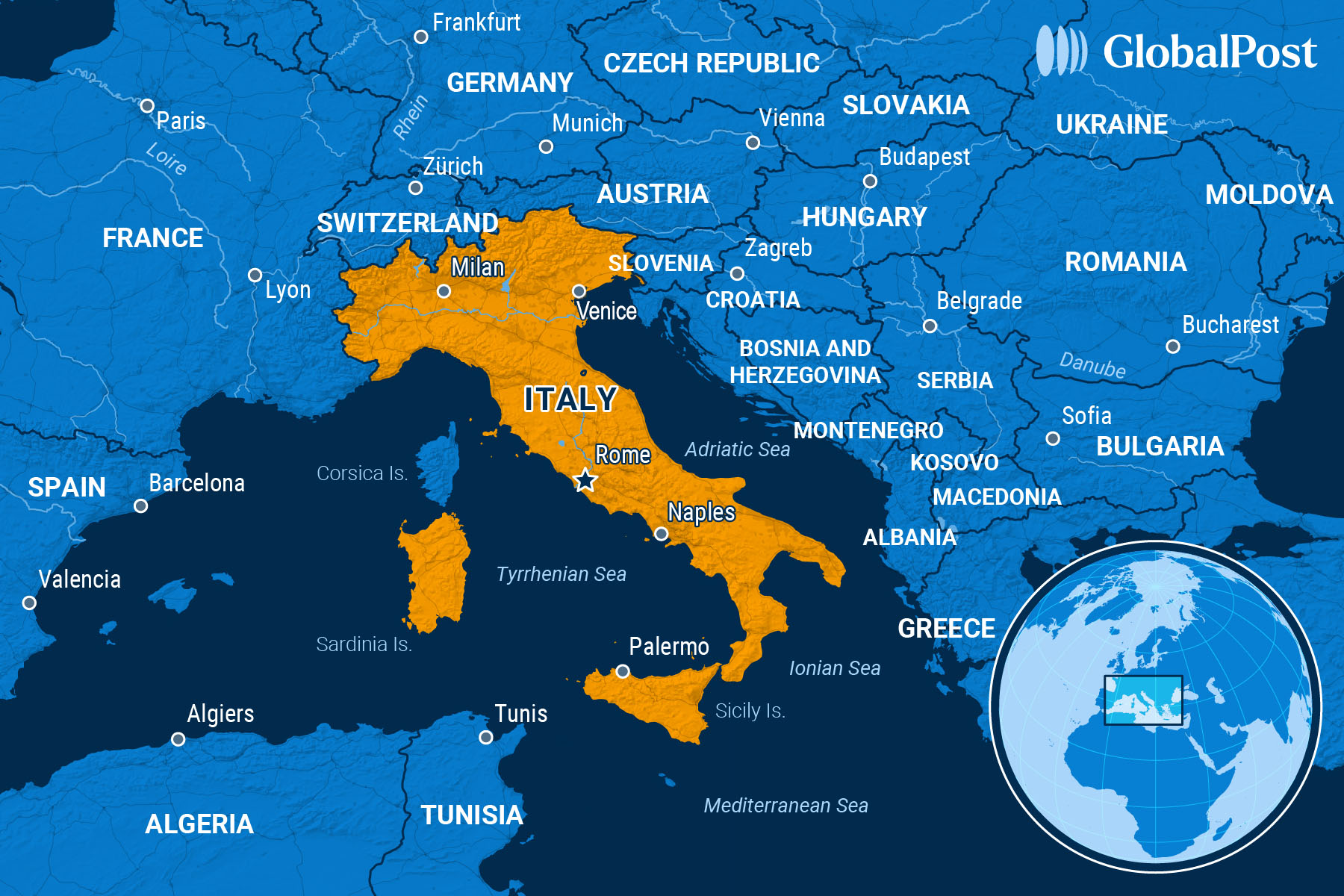
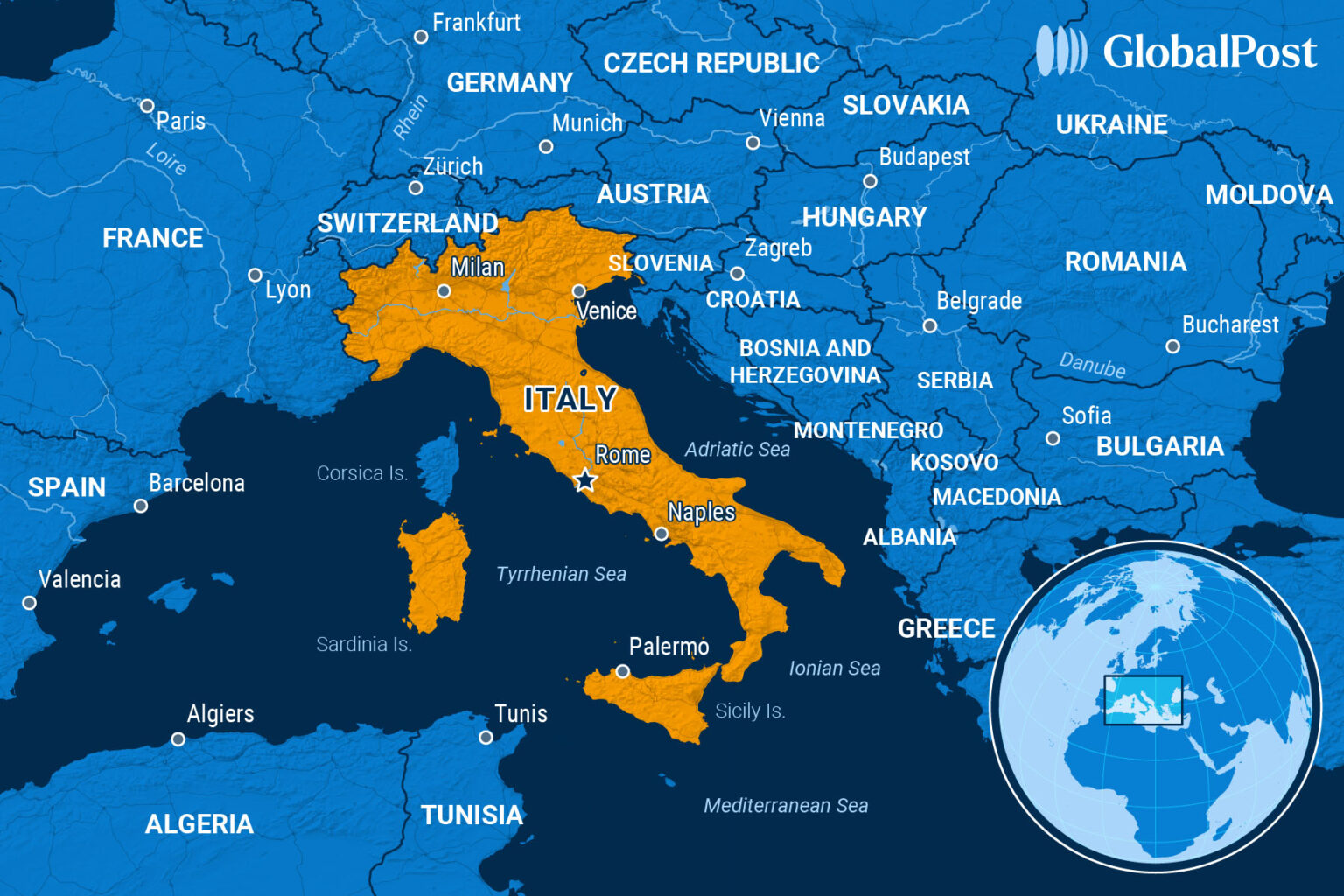
According to the complaint, wealthy foreigners met in Trieste, traveled to Belgrade and were escorted by Bosnian Serb soldiers to firing positions overlooking Sarajevo, paying large sums to participate.
The amounts ranged between $94,000 and $118,000, while shooting at children cost even more.
The 17-page complaint contains witness testimony and documents from former Bosnian intelligence officer, Brig. Gen. Edin Subasic, who claimed that Bosnian authorities discovered the paid sniper trips in 1993.
The probe has also prompted prosecutors across Europe to launch investigations into their nationals of their own countries as potential participants.
It has also revived hopes among survivors that those responsible will be held accountable, three decades after the siege of Sarajevo.
Roughly 11,000 civilians were killed by shelling and sniper fire from Bosnian Serb army positions encircling Sarajevo during the war triggered by Bosnia’s declaration of independence from Yugoslavia.