
Published on
February 8, 2026
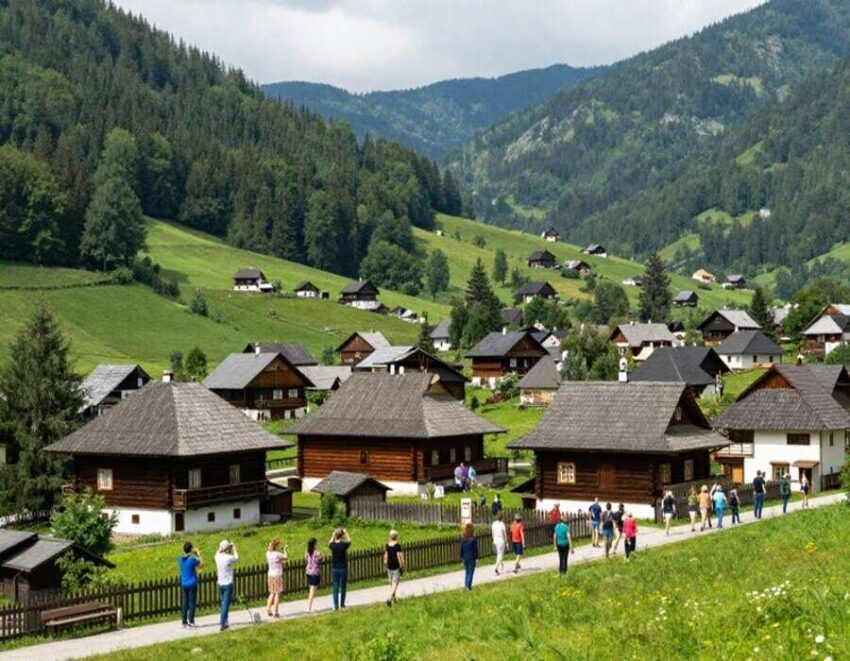
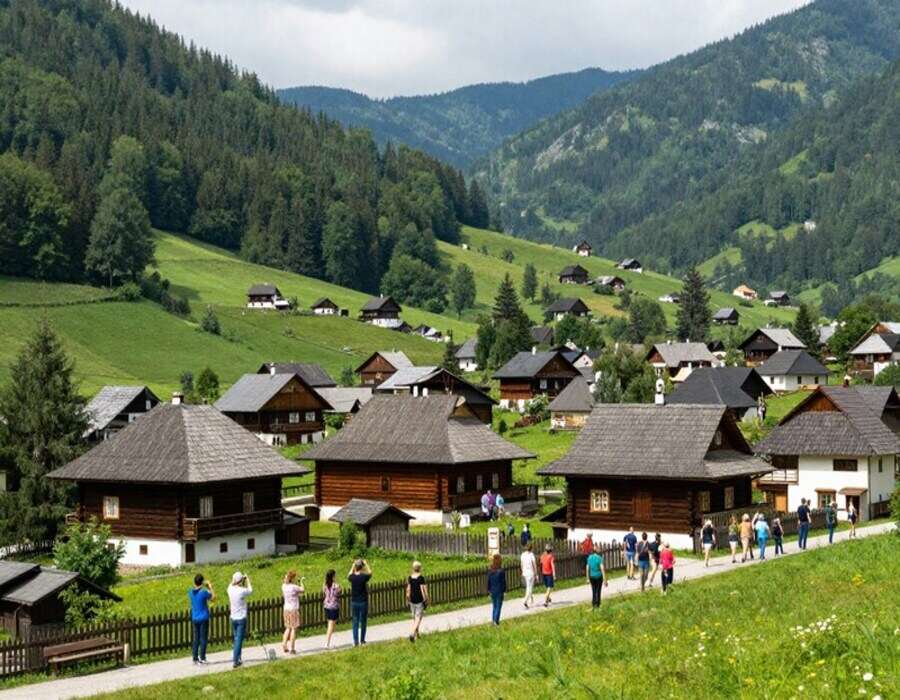
Slovakia’s Vlkolínec, a picturesque mountain village once known for its serene charm and traditional wooden log houses, is now grappling with the overwhelming impact of tourism. Once home to only 14 residents, the village now attracts an astonishing one hundred thousand visitors annually, far exceeding its capacity to accommodate such large numbers. The surge in tourism has not only disrupted the daily lives of locals but is also threatening the very essence of the village’s existence. The tranquil atmosphere that defined Vlkolínec is being replaced by a constant flow of tourists, treating the village more like an outdoor museum than a living, breathing community. This influx, compounded by stringent UNESCO regulations, has led to a loss of privacy, decreased agricultural activity, and a growing sense of displacement among the remaining residents, leaving them to question if their once-idyllic home can survive the pressures of its newfound fame.
Tourism Overload Threatens the Heart of Vlkolínec, Slovakia’s UNESCO Heritage Village
Nestled in the picturesque mountains of central Slovakia, Vlkolínec has long been a symbol of rural tranquility, a place where time seemed to stand still. With its traditional wooden houses and serene atmosphere, it was a rare gem that offered visitors a glimpse into Central European mountain village life. But the idyllic charm of Vlkolínec is now under threat as tourism numbers surge, pushing the small village of just 14 residents to its breaking point.
Once a quiet haven for its inhabitants, Vlkolínec now attracts around 100,000 tourists annually. This influx of visitors far exceeds the village’s capacity to handle such large numbers, and the pressures of tourism are beginning to erode the fabric of local life. The effects are being felt daily, with residents struggling to maintain their sense of normalcy in a place that was never designed to accommodate large crowds. The tranquil streets and peaceful surroundings that once defined the village are now overrun by throngs of tourists, making it increasingly difficult for the locals to go about their daily routines without interruption.
Advertisement
Advertisement
For the residents of Vlkolínec, the transformation of their village into a bustling tourist destination has been jarring. One local, frustrated by the constant flow of visitors, compared the village to a “tourist zoo,” a term that reflects the growing sense of alienation felt by those who call Vlkolínec home. The tipping point came in 1993 when Vlkolínec was designated a UNESCO World Heritage Site, a title that brought global attention but also introduced new challenges. The village’s collection of 45 traditional log houses, perfectly preserved to showcase life in a mountain village, was at the heart of this recognition. However, the UNESCO designation, while a mark of distinction, has also resulted in stringent regulations that restrict how locals can use their land, particularly when it comes to agricultural activities.
Once able to grow crops and raise livestock, the residents of Vlkolínec are now limited in what they can do with their land. This has left many feeling trapped between the demands of tourism and the official restrictions placed on their way of life. For these residents, the loss of control over their surroundings has added to the frustration, as they are no longer able to live in the village in the way they once did.
Advertisement
Advertisement
Moreover, the influx of tourists has blurred the lines between private life and public spectacle. Visitors, many of whom treat the village like an outdoor museum, have crossed boundaries by stepping into private gardens and taking photos through windows. Such behavior has only heightened the sense of invasion felt by locals, who no longer feel that their homes are respected. The boundaries between public space and private life, once clearly defined, have become increasingly porous, leaving residents feeling exposed and vulnerable in their own homes.
The social and cultural pressures of tourism are also taking a toll on the village’s population. Over the past three decades, the number of permanent residents has dwindled by half. Many have left, unable or unwilling to continue living in a place where their privacy and way of life are constantly under threat. The decline in population has had a profound impact on the community, as fewer people are willing to stay in a village that is increasingly defined by its tourism industry rather than its local traditions. Some worry that this trend will only continue, with more people choosing to leave as the pressures of tourism become even more pronounced.
Advertisement
Advertisement
UNESCO has recognized the challenges facing Vlkolínec, acknowledging that the influx of visitors and the rise in second-home ownership have placed strain on the village. However, the agency argues that the situation is more complex than simply attributing the village’s problems to its World Heritage status. UNESCO points out that the rapid development of surrounding areas and the growing number of second-home owners seeking to enjoy the village for recreational purposes have also contributed to the pressures on the community. While UNESCO has made efforts to address these issues, locals feel that their concerns have not been fully understood or addressed by the global organization.
Despite the protections offered to Vlkolínec’s buildings under UNESCO’s watch, the future of the community itself remains uncertain. The preservation of the village’s architecture, while important, has not been enough to preserve the way of life that made the village special in the first place. Locals feel increasingly displaced as their village transforms into a popular tourist attraction. The once-vibrant community is being redefined by its status as a UNESCO World Heritage Site, and for many, this shift has come at a great cost.
The growing tension between tourism and local life in Vlkolínec highlights a broader dilemma faced by many heritage sites around the world. While UNESCO’s designation brings prestige and financial benefits, it also brings challenges that can threaten the very identity of the community. For the people of Vlkolínec, their beloved village has become a double-edged sword. As tourism continues to grow, they fear that their way of life may not survive the pressures of fame.
In the face of this crisis, some argue that a more sustainable approach to tourism is needed—one that respects the balance between preserving cultural heritage and protecting the livelihoods of the people who live there. Until this balance is found, villages like Vlkolínec will continue to struggle with the overwhelming demands of tourism, leaving the residents caught between the desire to preserve their homes and the forces that threaten to overrun them.
Slovakia’s Vlkolínec, once a peaceful mountain village, is now overwhelmed by one hundred thousand tourists annually, threatening its authenticity and way of life. The surge in visitors has disrupted local life, leaving residents to grapple with the loss of privacy, agricultural traditions, and a sense of community.
As the village grapples with its future, it remains unclear whether Vlkolínec will be able to strike that delicate balance between tourism and community life. What is certain, however, is that if the current trajectory continues, the charm that once defined this mountain village may be lost forever.
