
Published on
February 10, 2026
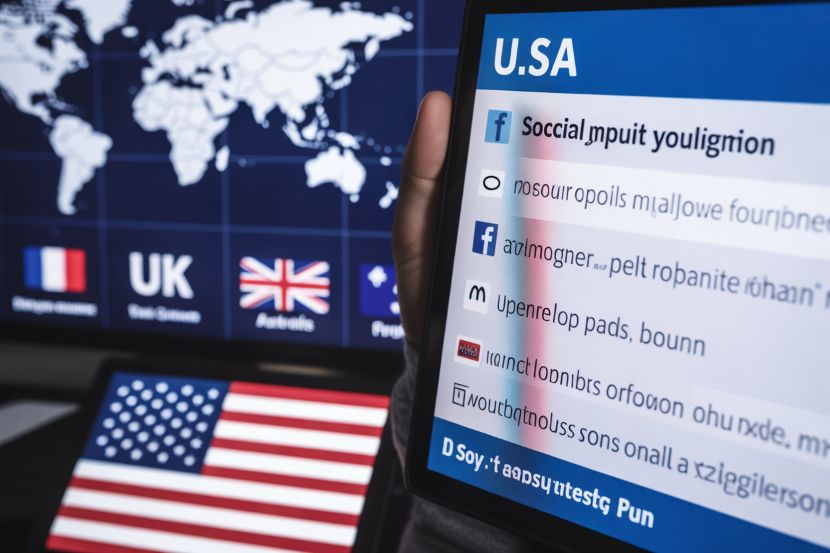
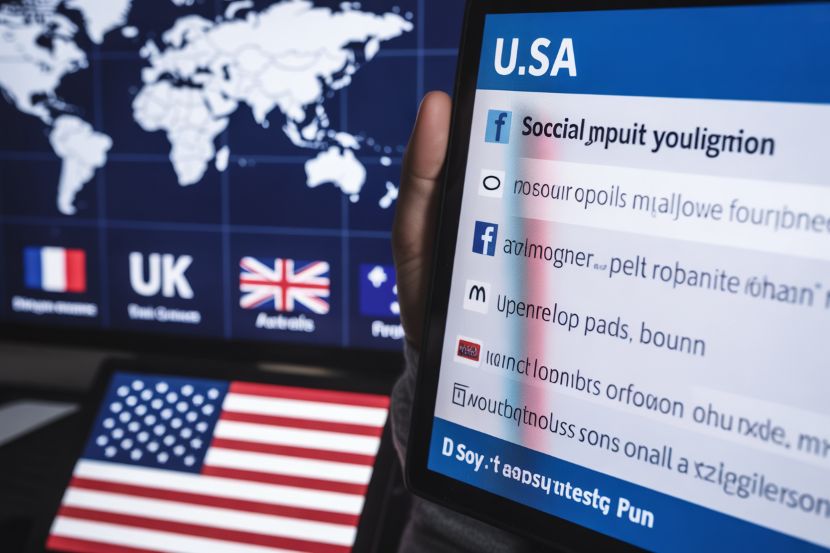
Travelers planning to visit the United States soon should prepare for important changes to the Esta visa waiver system, affecting citizens from the UK, France, Australia, and other eligible countries. The new rules, which could significantly impact how easily tourists can apply for travel authorization, will require applicants to provide additional personal information such as social media handles, email addresses, and phone numbers used within the past five to ten years.
These changes, while adding more transparency for US authorities, are expected to cause delays and potentially affect the decision-making process for many travelers. As the US looks to improve national security, these stricter entry regulations are being enforced amid concerns about their impact on international tourism.
New Information Requirements for ESTA Applicants
Starting in the coming weeks, travelers from countries eligible for the US Visa Waiver Program (including France, Britain, and Australia) will be required to provide extra details as part of their ESTA applications. Along with the usual travel documents, applicants will now need to disclose social media profiles for the last five years, as well as a list of email addresses and phone numbers they have used during that time.
The mandatory inclusion of social media accounts such as Facebook, Instagram, TikTok, and Snapchat will likely add an extra 30 minutes to the application process, making it more time-consuming for travelers. For those trying to recall old social media handles, email addresses, or phone numbers, the process could take even longer, potentially making it challenging for individuals needing to apply last-minute for urgent travel.
Advertisement
Advertisement
Concerns Over Delays and Potential Rejection
While these changes are aimed at improving US immigration security, there are fears that they could hinder travel plans for thousands. One concern is that additional scrutiny of applicants’ personal information could lead to delays and increase the likelihood of visa rejection. If any suspicious activity is flagged by authorities, the immigration officers may ask for further information during the application process or even during a customs check when arriving in the US.
The US Department of State has already issued instructions for consulates processing student visas to monitor social media accounts for any content deemed hostile toward the US government, culture, or values. It is expected that similar scrutiny will apply to the Esta visa waiver program. Tourists who fail to provide all requested information may face the risk of not being allowed entry into the country.
Advertisement
Advertisement
How These Changes Will Affect the US Tourism Sector
The US tourism industry has faced struggles in recent years, with a 6% drop in international visitors recorded in the previous year alone. As the World Travel and Tourism Council predicts, the new Esta visa requirements could lead to a further 23% decline in travelers from countries eligible for the waiver program, translating into a loss of approximately $15 billion for the US economy.
Tourism professionals and associations have raised concerns about the potential negative impact these rules will have on French, British, and European travelers, who might be intimidated by the extra steps involved in obtaining travel authorization. Patrice Caradec, the president of the French Association of Tour Operators, warned that complications in the application process would discourage tourists from visiting the United States. This is particularly concerning for global events like the 2026 FIFA World Cup, which will be hosted in part in the United States.
Advertisement
Advertisement
Tips for Travelers: Navigating the ESTA Application Changes
- Start Your Application Early
With the additional social media and contact details required, it’s important for travelers to start the ESTA application well ahead of their planned trip to avoid any rush. Allow for extra time to recall and gather the necessary information, including any old phone numbers or rarely used email addresses. - Keep Records Organized
To make the application process smoother, consider organizing your social media accounts, phone numbers, and email addresses in advance. Having a clear record of your past online presence could help you easily comply with the new requirements when applying for your visa waiver. - Monitor Social Media
Be aware that US authorities may review your social media activity, so make sure your profiles don’t contain anything that could be flagged as suspicious or hostile towards the United States. Staying mindful of what you post online in the months leading up to your travel could help avoid unnecessary scrutiny. - Avoid Misleading Information
It is crucial not to provide false or misleading details on the ESTA form. If you omit required information or give incorrect answers, it could lead to denial of entry or even future bans from traveling to the US. - Consider Alternatives
For those worried about the new requirements, consider applying for a tourist visa rather than using the ESTA waiver. Although this is a more involved process, it could offer more certainty in terms of travel authorization, especially for those with complex travel histories or social media activity.
Travel Implications Beyond Tourism
Though these changes are primarily aimed at tourism, their broader implications could also impact business travel, international studies, and other professional exchanges. The United States has long been a top destination for students, researchers, and workers from around the world, and these new immigration rules might complicate such trips, making it more difficult for visitors to quickly finalize travel plans.
With more scrutiny and delays expected, travelers should stay informed about any further developments to these regulations and be prepared for potential changes in the future.
As the US continues to tighten its entry requirements, the landscape for international travel, particularly for British, French, and Australian tourists, may look very different in the coming years.
