
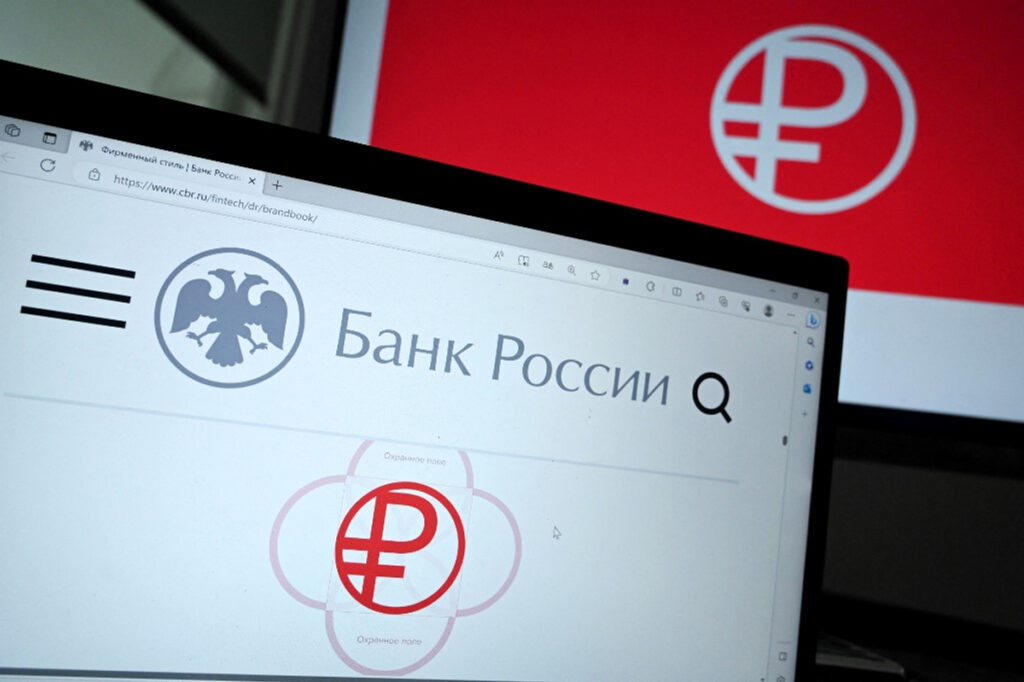
The European Union is planning a broad crackdown on cryptocurrency operations linked to Russia, aiming to block one of Moscow’s last avenues for sidestepping international sanctions, the Financial Times (FT) reported on Feb. 9.
According the report, which cites a confidential European Commission (EC) document, the proposed measures focus heavily on networks tied to the Russian exchange Garantex which has been under US sanctions since 2022, and the A7 platform as well as its ruble-backed stablecoin, A7A5, an increasingly significant tool for moving money outside traditional banking systems.
Follow our coverage of the war on the @Kyivpost_official.
This approach represents a shift from Brussels’ previous tactic of singling out individual Russian crypto companies, which often led to new operations popping up, to a blanket prohibition on transactions involving any crypto service registered in Russia.
“Any further listing of individual cryptoasset service providers… is therefore likely to result in the set-up of new ones to circumvent those listings,” reads an internal EC document.
It continues: “In order to ensure that sanctions achieve their intended effect [the EU] prohibits to engage with any crypto asset service provider, or to make use of any platform allowing the transfer and exchange of crypto assets that is established in Russia.”
The European Commission’s internal draft specifies that EU individuals and businesses would be banned from using Russian crypto platforms or transferring assets through them.
Other Topics of Interest
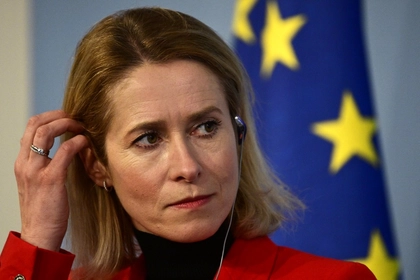
EU Must Decide What it Wants from Putin Before Any Talks: Top Diplomat
EU foreign affairs chief Kaja Kallas said she intended to circulate a list of “ideas” to the EU’s 27 member states laying out the demands that should be made to Moscow.
Blockchain analytics firm Elliptic reported in January that even with existing restrictions from Europe, the US and the UK, cumulative transactions involving A7A5 had already topped $100 billion.
The plan also includes placing 20 additional banks on the sanctions list and imposing a complete ban on all transactions involving Russia’s central bank digital ruble.
Brussels has also put forward a proposal to block exports of certain dual-use goods to Kyrgyzstan, claiming that Kyrgyz companies have sold restricted items like machine tools and electronics used in drones and weapons to Russia.
For the sanctions to take effect, all 27 EU member states must agree. Sources cited by the FT say three countries have raised concerns and are requesting additional details.
The EC had originally planned to approve the package by Feb. 24.
On Feb. 6, the EU unveiled its 20th sanctions package against Russia, expanding restrictions on energy exports, finance and trade while introducing new tools to curb sanctions circumvention.