
February 2026 puts northern Italy in the global spotlight, with the Winter Games running February 6th to 22nd and a few competitions starting February 4th. Events are spread across multiple venue zones, so choosing the right home base can save hours, stress, and last-minute scrambling. Think of the trip as a hub-and-spoke plan: stay somewhere comfortable, then branch out for a big-ticket session and a few easy wins.
Snow conditions can change fast in the Alps, so build your days with backup options that still feel worth leaving the hotel for. A museum morning, a long lunch, and an evening arena session can beat an ambitious mountain chase that gets derailed by weather. The bases below balance access, atmosphere, and practical movement across Lombardy, Veneto, Trentino-Alto Adige, and nearby valleys.
1. Milan
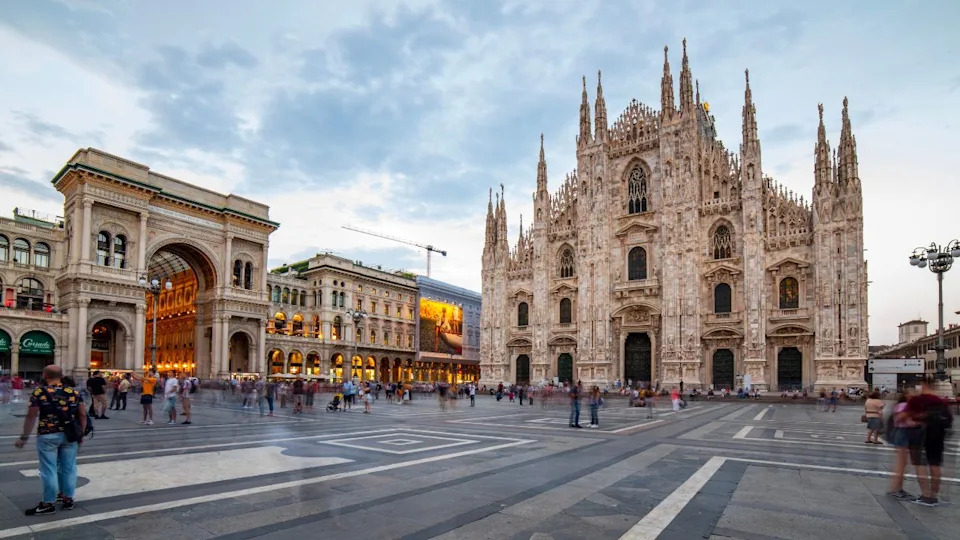
Image Credit: Shutterstock.
Big arenas, late-night food, and a transit network that actually behaves make this the simplest choice for first-timers. Pick a neighborhood with direct metro access, then treat the timetable like your guide for the day. A mid-afternoon espresso run turns into a warm-up ritual before an evening event.
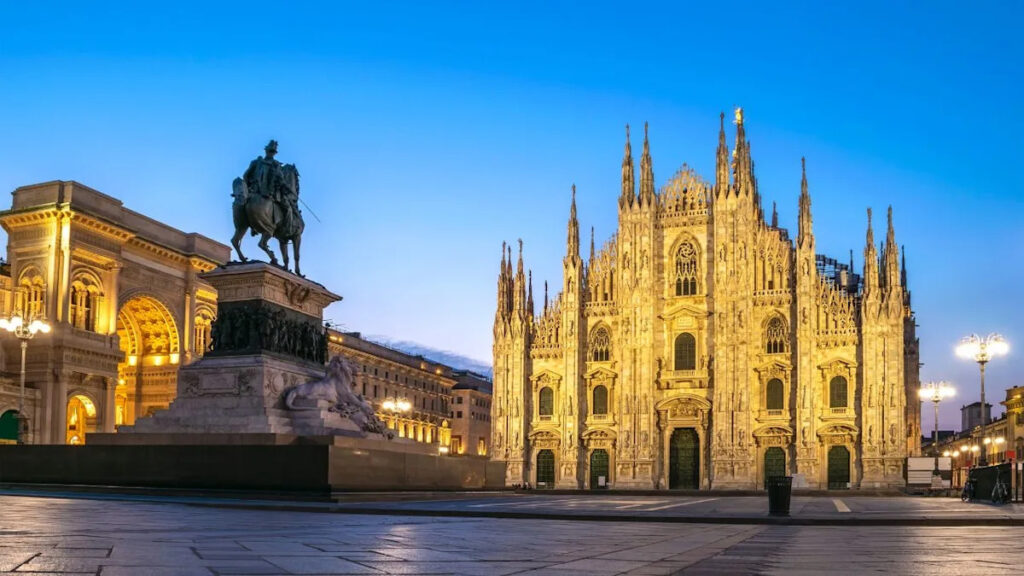
Milan is the best base if your must-see moments are in the Milano venue cluster, where several of the major indoor ice events are staged. It’s also the city tied to the Games’ biggest “spectacle” night, so it’s a smart place to be if you want to build your trip around one headline session plus easier, shorter hops the rest of the week. If you’re attending a prime-time event, plan your day like a concert night: arrive early, keep dinner simple, and treat anything else as optional.
Between sessions, lean into classic Milan: Duomo views, Brera streets, and an aperitivo that runs longer than planned. Indoor options are strong if the sky turns gray, which is common in winter. One smart move is booking an early return after a late finish, because crowds thicken fast around headline nights.
2. Verona
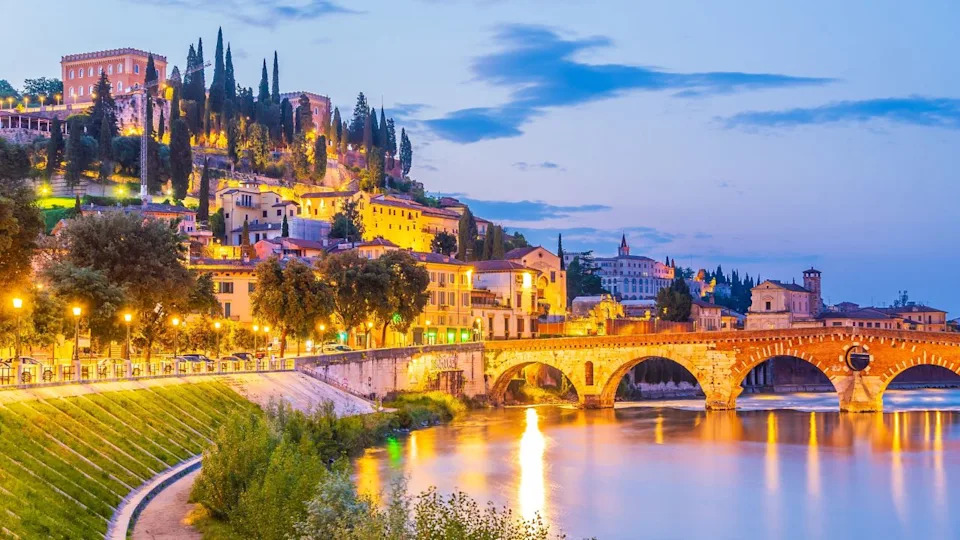
Image Credit: Shutterstock.
A compact center and strong rail connections make Verona a comfortable city base for a February trip. The old town stays walkable, so you can keep the logistics light and still feel like you are on a proper holiday. Nighttime in the historic core has a calm energy that is perfect after loud crowds.
Verona has a genuine Olympics role in 2026, which makes it more than just a pretty stop between bigger cities. If you want a trip with a “finale” feeling, this is the base that fits a Closing Ceremony day without forcing you into a pricey mountain stay. It also works well for people who want to collect one big Olympic night and keep the rest of the itinerary flexible.
Off-days write themselves here: Roman-era sights, small wine bars, and easy strolls along the Adige. Verona also has a direct Olympics connection through events tied to the city, which can make it a practical choice if your schedule includes a night in the arena. For schedule-heavy days, start early so you are not racing the clock.
3. Venice
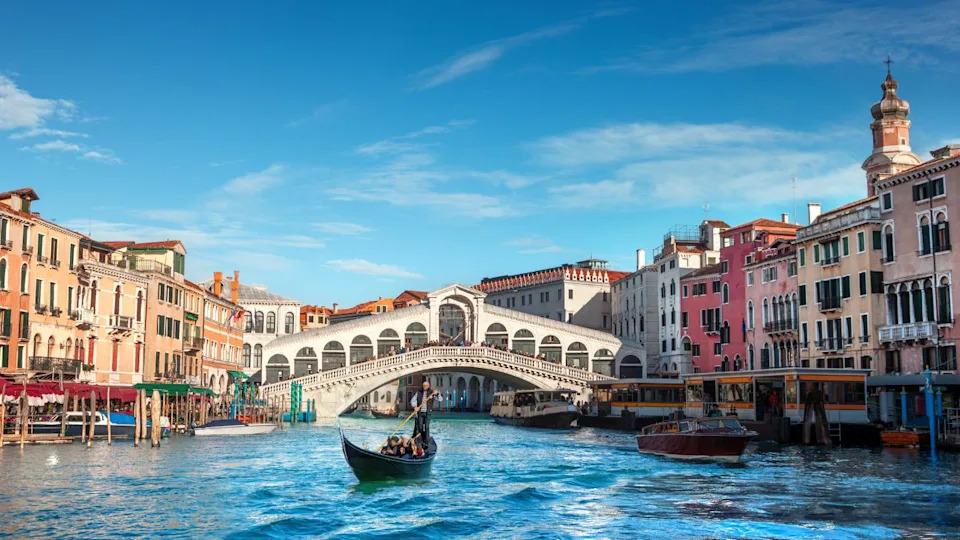
Image Credit: Shutterstock.
Venice works best for travelers who want a dramatic setting when the sport is done for the day. Winter brings softer light, fewer day-trippers, and a quieter rhythm in the back canals. That slower pace pairs well with a trip built around specific event blocks.
Venice is a strong choice if your Olympics plan is Dolomites-focused, because you can treat the city as your stylish base and then commit to one big event block on the days you travel out. It’s the right vibe for travelers who want the Games to be the headline—but not the only thing on the schedule. Think: two event days, then a calmer day that still feels unmistakably “Italy in February.”
Use the city like a reset button: long walks, lagoon views, and warm interiors when the air gets sharp. Early starts matter since you will want extra buffer for travel beyond the islands. After a late finish elsewhere, returning to a calm, car-free evening can feel like the real luxury.
4. Bologna
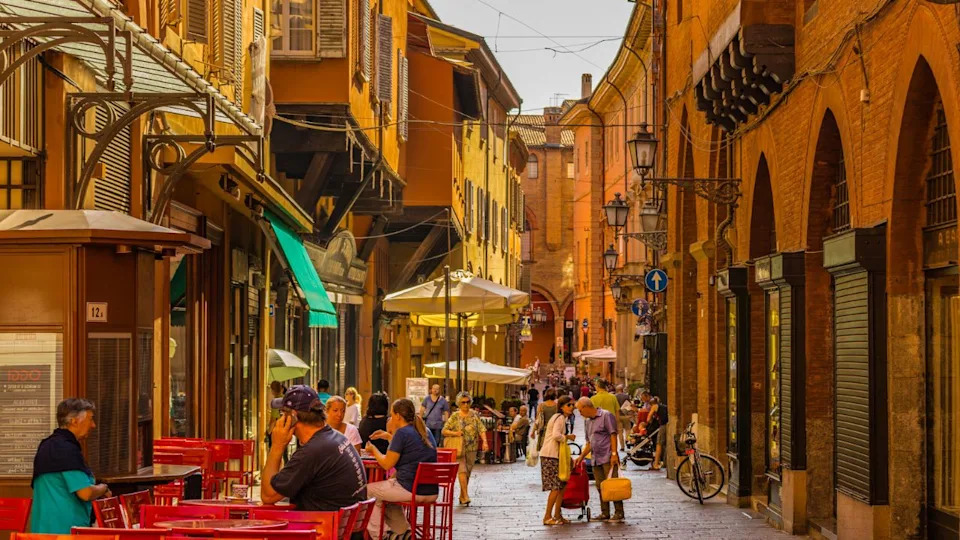
Image Credit: Shutterstock.
Bologna is a practical base that still delivers personality, thanks to its porticoes, food scene, and straightforward connections. It also makes sense for groups with mixed interests, because culture and comfort stay close even when half the crew is chasing medals. The central station puts you in a strong position for day trips.
Bologna makes sense when you want the Olympics experience without paying the “Games premium” in the most obvious cases. If Milan or Verona prices spike on key nights, Bologna can function as a value hub where you sleep well, eat well, and then choose one or two targeted event days by train. It’s an especially good fit for groups who don’t all want to chase venues every day.
Between competitions, focus on simple pleasures: market browsing, tortellini, and warm cafés that encourage slow conversation. The covered walkways help a lot in damp winter weather. Plan one big travel day, then keep the rest tighter so the trip does not turn into pure transit.
5. Bergamo
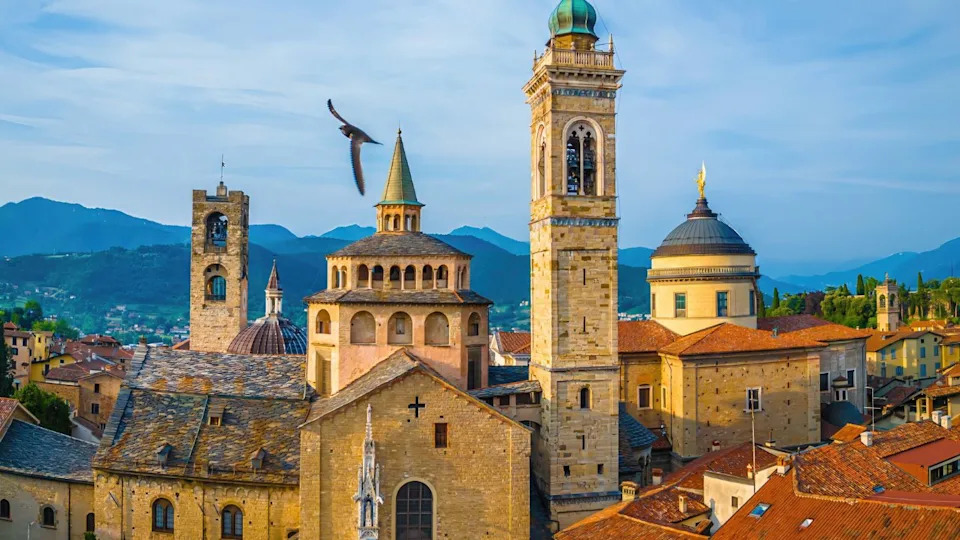
Image Credit: Shutterstock.
Bergamo feels like two places stitched together: the lower town for everyday ease and the Città Alta for pure atmosphere. That split is useful during a sports-heavy week, because you can switch gears without leaving your base. The old upper walls at dusk are an instant mood lift.
Bergamo is a clever Olympics base if you’re flying in and want something calmer than central Milan while still keeping the Milan events within reach. It also positions you nicely for a “split week” plan—one indoor-venue night, then a later pivot toward the mountainside of the Games. If your schedule is ticket-driven, Bergamo lets you stay anchored while you pick off events in different zones.
Stay near the funicular if you want quick access to the historic hilltop without turning every night into a workout. Cold evenings make trattoria dinners especially satisfying here. When you need a calmer day, a long walk on the ramparts can replace another packed venue run.
6. Como
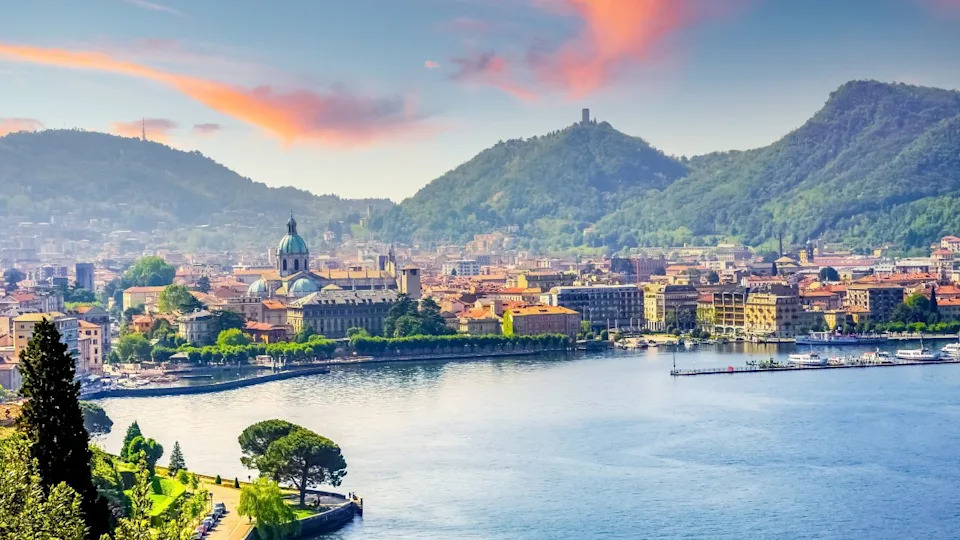
Image Credit: Shutterstock.
Lake Como in winter is quieter, which makes it a strong pick for travelers who prefer scenery over nightlife. The lakefront and surrounding hills still look cinematic, and the pace encourages rest between big sessions. A central lodging spot near the waterfront keeps things simple.
Foggy mornings happen, so treat them as part of the charm rather than a problem. Warm layers and a slow breakfast set the tone, then you can head out for a daytime event elsewhere. On lighter days, short ferry rides and hillside viewpoints keep the trip feeling special.
7. Trento
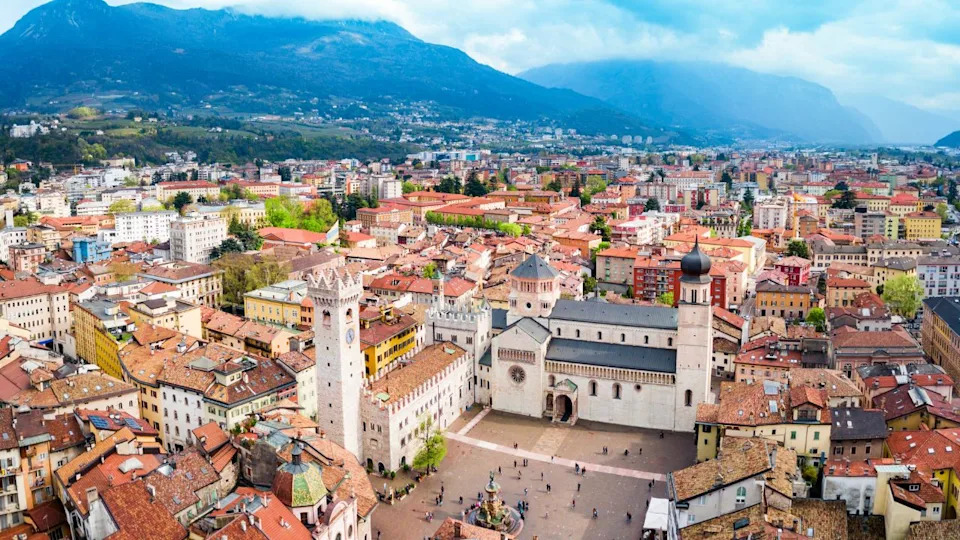
Image Credit: Shutterstock.
Trento gives you an Alpine-leaning base with a tidy historic center and a solid position for valley access. The town feels organized, with a calm vibe that suits early starts and late returns. Winter air here often feels crisp, especially at night.
Trento is a smart choice if you’re aiming for the Nordic side of the Games, where several events sit in the Trentino valleys rather than the big cities. It keeps you close enough to do an event day without turning every morning into a pre-dawn transfer. This is the base for people who want the Olympics to feel like an Alps trip first, with competition days layered in.
Food and wine culture is a quiet highlight, so build in one relaxed evening that is not tied to a scoreboard. Museums and historic streets fill the gaps when you want something low effort. Keeping your itinerary balanced matters, because altitude and cold can drain energy faster than you expect.
8. Bolzano
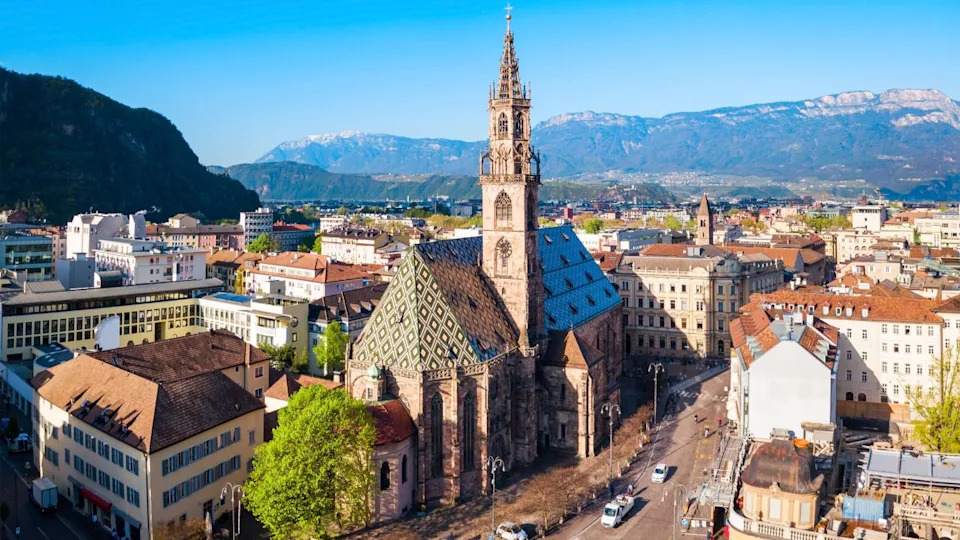
Image Credit: Shutterstock.
Bolzano sits at a crossroads of Italian and Tyrolean influences, which shows up in architecture, language, and the menu. That blend makes the base feel distinct, and it also places you near mountain corridors without committing to a resort bubble. The compact center is easy to navigate.
Bolzano is the most natural base if your top priority includes South Tyrol events, especially the days centered on the biathlon venue zone. It lets you stay in a real city while keeping a mountain-style Olympics itinerary realistic. If you’re building a multi-zone plan, Bolzano also works well as your “north” anchor before you shift toward Trentino or Veneto.
Cold-weather planning pays off here: dress for a dry chill, then reward yourself with a hearty meal after the arena. If you land a free afternoon, a cable car outing can deliver high views without a full-day trek. Book accommodation with good heating, because nights can bite.
9. Cortina d’Ampezzo
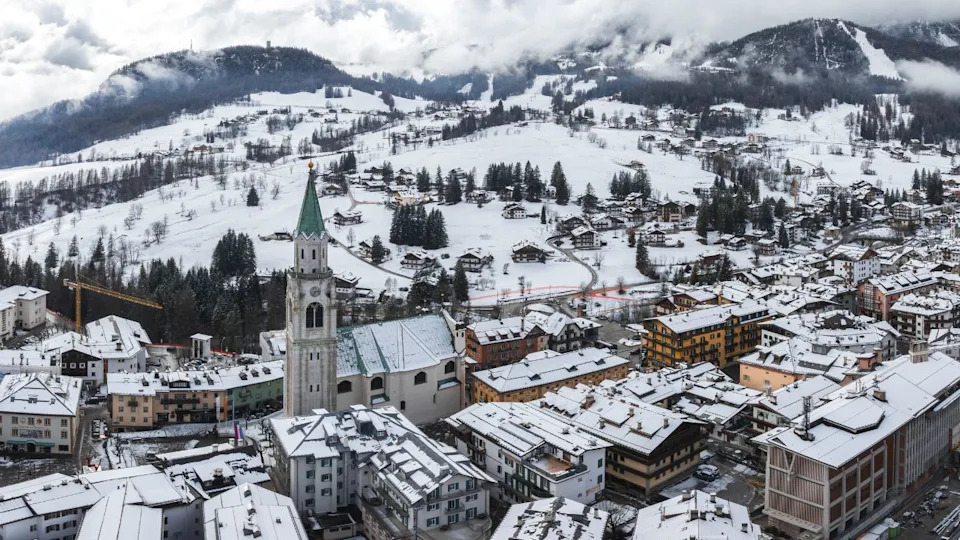
Image Credit: Shutterstock.
Staying in Cortina puts you close to marquee mountain action and the kind of scenery that makes you stop mid-sentence. The trade-off is price and crowd pressure, so it works best when you prioritize proximity above everything else. A short walk to a venue can feel priceless on a day packed with events.
Build downtime into the plan, since mountain logistics and winter traffic can be unpredictable. A calm morning followed by one headline session often beats chasing two locations back-to-back. When conditions are stable, even a simple stroll through town can feel like a postcard.
10. Livigno
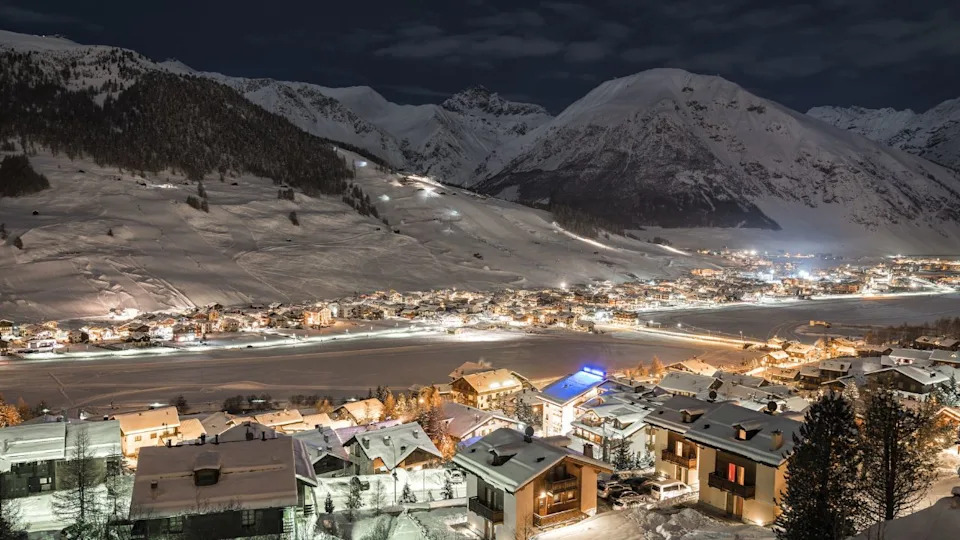
Image Credit: Shutterstock.
Livigno is a high-altitude option geared toward fans who want snow energy outside the stadium too. The town is compact, the winter atmosphere is strong, and the setting encourages early nights and active mornings. It is a solid pick for travelers who like to move, not just watch.
Because altitude can surprise people, go easy on day one and keep hydration in mind. On non-event hours, gentle outdoor time is enough to make the base feel worth it. A flexible schedule is your friend here, since weather and road conditions can shift the plan quickly.