
Published on
February 11, 2026
Germany Joins Italy, France, New Zealand, And Belgium In Major Travel Crisis As Airline and Airport Strikes Shake Tourism in This Mid-February. This crisis is caused by widespread strikes across multiple countries, with unions taking action over disputes related to wages, working conditions, and pension benefits. As Lufthansa, Air New Zealand, and key European airports face severe disruptions, thousands of flights are at risk of cancellation, leaving tourists stranded and local economies facing major losses.
February 2026 is shaping up to be one of the most turbulent months for global travel, as multiple countries face major strikes across the transport and aviation sectors. Germany, Italy, France, Belgium, and New Zealand are all embroiled in significant industrial actions that are set to cause widespread disruptions at airports, train stations, and local transport hubs. As a result, travelers are bracing for cancellations, delays, and widespread travel chaos.
The timing could not be worse: Mid-February is a key travel period, with winter holidays, ski tourism, and international travel at their peak. Airlines, airports, and local transport systems are all set to face severe challenges as unions across these regions push for better wages, conditions, and pension schemes. Let’s break down the details of the strikes, their expected impacts, and what this means for travelers and the tourism industry.
A Europe-Wide and Global Travel Crisis: Strikes Across Multiple Countries
The strikes are not isolated to one region; they span Europe and New Zealand, each facing significant action by unions representing pilots, cabin crews, air traffic controllers, and public transport workers. From Germany’s Lufthansa to New Zealand’s Air New Zealand, the travel disruption is poised to be one of the largest crises in recent history.
Germany: Lufthansa Strikes and Massive Disruptions
Germany is facing a major travel crisis, with Lufthansa pilots and flight attendants, represented by the Vereinigung Cockpit (VC) and UFO unions, planning a 24-hour strike on 12 February 2026. The strike follows months of tense negotiations over pension contributions, wages, and working conditions. The impact of this industrial action will be felt at Germany’s busiest airports, including Frankfurt and Munich.
Expected Disruptions:
Advertisement
Advertisement
- Passengers flying with Lufthansa or through Lufthansa Cargo can expect major cancellations and delays, particularly for long-haul flights.
- Airports affected: Frankfurt, Munich, Hamburg, and Stuttgart.
- Cargo and freight services will also be severely impacted.
Italy: Air Transport Strikes on 16 February
Italy’s own travel disruption comes with a 24-hour national aviation strike on 16 February 2026. This industrial action, involving pilots, cabin crew, and ground staff, is set to disrupt airlines including ITA Airways and easyJet, as well as several major Italian airports.
Expected Disruptions:
Advertisement
Advertisement
- Flight cancellations across major airports in Milan, Rome, Venice, and Naples.
- Long-haul flights to and from the US and Asia will be most affected.
- Flights within Europe will also face significant disruptions, with short-term domestic travel likely to be the worst hit.
France: Air-Traffic Control Strikes 8–9 February
France’s air-traffic controllers and unionized airport workers have staged a nationwide strike on 8–9 February 2026. The strike has already led to hundreds of flight cancellations and delays, particularly affecting Paris-Orly and Marseille.
Expected Disruptions:
- Severe delays and flight cancellations across Paris-Charles de Gaulle, Paris-Orly, Marseille, and other regional airports.
- Domestic and European routes are most affected, while long-haul services remain less impacted.
- Travelers are advised to check their flight status regularly and be prepared for possible rebookings.
Belgium: Multi-Sector Strike on 5, 10, 12 February
Belgium is facing nationwide strikes in the transport sector on 5, 10, and 12 February 2026. Unions representing public transport workers, including CGSLB, ACV, and CSC, are protesting against pension reforms and wage policies. While these strikes are primarily focused on bus, tram, and metro services, they will also disrupt airport access and travel around major cities like Brussels, Liège, and Antwerp.
Expected Disruptions:
- Local and regional transport will be severely affected, with trains, buses, and trams out of operation.
- Access to Brussels Airport will be disrupted, leading to delays in airport check-in and transport to terminals.
- Flights to and from Brussels may face delays or cancellations due to delayed airport staffing.
New Zealand: Air New Zealand Cabin Crew Strike (12–13 February)
New Zealand has its own set of travel disruptions in February 2026. Air New Zealand cabin crew members, represented by the Flight Attendants’ Association of New Zealand (FAANZ), are staging a two-day strike on 12–13 February. The strike is centered around wage increases and better working conditions for long-haul crews serving international routes to Asia and North America.
Expected Disruptions:
- Long-haul flights to North America and Asia will be impacted, with many cancellations expected.
- 16,000 passengers are estimated to be affected.
- Domestic and regional flights are less likely to be disrupted.
Strike Surge Hits Europe and New Zealand: Key Travel Disruptions in February 2026
Impact on Travel and Tourism
The coordinated wave of strikes across Europe and New Zealand will have profound effects on global tourism and travel operations in February 2026. From delayed vacations to missed business trips, travelers will need to adjust to the disruption caused by these industrial actions.
1. Flight Cancellations and Passenger Frustrations
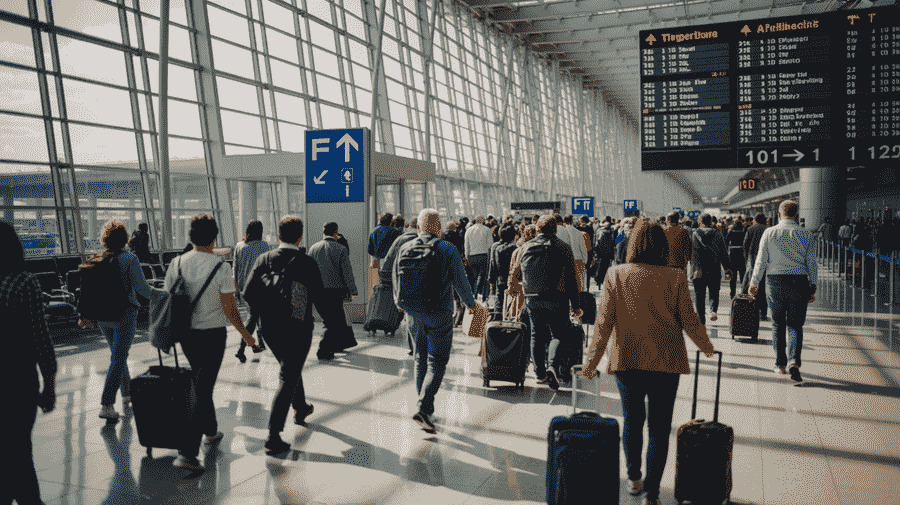
As Lufthansa, Air New Zealand, and other airlines are forced to cancel flights, thousands of passengers will be stranded at airports, scrambling for alternative arrangements. Airports across Europe and New Zealand will see crowded terminals, long lines, and overbooked services as airlines work to rebook affected passengers. This will lead to immense frustration, particularly for travelers who were unable to get timely updates.
2. Strain on Tourism Destinations and Local Economies
Countries heavily reliant on tourism, such as Italy, France, and Belgium, will feel the strain of these strikes as both local visitors and international tourists find their plans disrupted. Hotels, tour operators, and local businesses in major tourist cities like Rome, Paris, and Brussels will face a drop in business, especially those catering to international visitors arriving by air. For destinations that rely on winter tourism (like ski resorts in Italy and France), the economic impact will be severe, with cancellations of bookings from travelers unable to reach their destinations.
3. Travel and Transport Alternatives
As air traffic is heavily disrupted, travelers will look to alternative transport options like trains, buses, and cars. However, public transport strikes in Belgium and France will complicate these efforts. Rail services will see significant congestion, especially on popular routes between major cities. Passengers will need to plan well in advance, monitor strike alerts, and book alternative routes if necessary.
How Travelers Can Prepare
With major strikes expected across Europe and New Zealand, here are steps that travelers can take to minimize disruption:
- Check Flight Status Regularly: Always stay updated through airline websites or apps for real-time changes to your flight.
- Rebook or Use Flexible Fares: Consider opting for flexible tickets that allow you to change travel dates if needed.
- Arrive Early at Airports: Expect longer lines and delays at check-in counters and security.
- Have a Backup Plan: If possible, book alternative transportation like trains or buses, and ensure accommodation bookings are confirmed.
- Stay Informed: Sign up for email or SMS alerts from airlines, train operators, or transport services.
Germany Joins Italy, France, New Zealand, And Belgium In Major Travel Crisis As Airline and Airport Strikes Shake Tourism in This Mid-February. Strikes across these countries, driven by disputes over wages, working conditions, and pension benefits, are set to cause widespread flight cancellations and transport disruptions, severely impacting tourism during this critical travel period.
As Germany, Italy, France, New Zealand, and Belgium prepare for a series of airport and transport strikes, mid-February 2026 is set to be one of the most disruptive periods for global travel. With major airlines like Lufthansa and Air New Zealand at the forefront, thousands of flights are expected to be cancelled or delayed, leading to massive inconvenience for travelers worldwide. As the strikes unfold, tourism-dependent economies will also suffer from the ripple effects, making this a challenging time for the global travel industry. Travelers must stay alert, adjust plans where possible, and take proactive steps to navigate the turbulence ahead.
