

12
Feb 2026
The European Commission has confirmed that the EU Entry-Exit System (EES) will still launch on April 9, 2026, despite reports claiming the rollout had been delayed.
While all Schengen countries must have the system in place by that date, EU rules allow temporary flexibility after April 9, letting countries ease or pause checks to manage long lines during peak travel periods.
Summer may bring leeway
The European Commission has confirmed that the EES will be fully deployed by April 9, 2026, and that the timeline has not changed.
However, countries in the Schengen Area will have limited flexibility to pause EES operations after that date to manage summer travel congestion.
According to Commission spokesperson Markus Lammert, member states can partially suspend EES checks for up to 90 days after the rollout is complete, with a possible 60-day extension.
This measure is intended to prevent long border queues during peak travel periods and was already included in the legal framework of the system’s deployment.
Glitches, delays hit airport
Since its phased introduction in October 2025, EES has caused disruptions across several European airports. Issues have included system crashes and longer processing times, especially during the 2025 holiday season.
According to the Airports Council International, processing times increased by 70% in some locations due to the added steps involved in biometric data collection.
In Spain, technical failures at Gran Canaria Airport reportedly caused border gates to crash on multiple occasions in late December and early January, delaying flights.
The airport resorted to manual stamping of passports after repeated malfunctions of EES-linked gates.
Portugal suspended the system’s use at Lisbon Airport in December 2025 after widespread delays. In January 2026, 24 officers from the National Republican Guard were stationed at the airport to help ease pressure at border checkpoints.

(Image courtesy of EvgeniyShkolenko via iStock)
Slow rollout for key tech
The EES requires non-EU travelers to submit facial images and fingerprints when entering or exiting the Schengen Zone. Some countries have introduced automated kiosks and electronic gates to speed up the process, but implementation has not been consistent.
In France, Parafe e-gates—which rely on facial recognition—still do not process UK or US passports. A legal expert from the Union of French Airports told The Connexion in December that the gates would not be fully compatible with EES until the end of March 2026.
Even travelers who have already registered with EES may still be asked to present documents manually if border systems are not yet fully operational.
Some travelers passing through airports in Spain and Switzerland have described inconsistent procedures, with biometric checks being applied irregularly or repeated on return trips.
Legal rollout timeline holds
While media reports previously suggested a delay to September 2026, the Commission has clarified that the April 9 deadline remains in place.
In an article published by ABTA, the Commission stated that the flexibility to suspend checks temporarily has always been part of the legislation and does not change the system’s official rollout completion.
The phased introduction period, which began on October 12, 2025, will conclude on April 9, 2026. From April 10 onward, all 29 Schengen Area countries must apply EES at their external borders.
EES is separate from—but connected to—the upcoming European Travel Information and Authorization System (ETIAS), which will require pre-travel authorization for non-EU travelers from visa-exempt countries. ETIAS is expected to launch later in 2026.
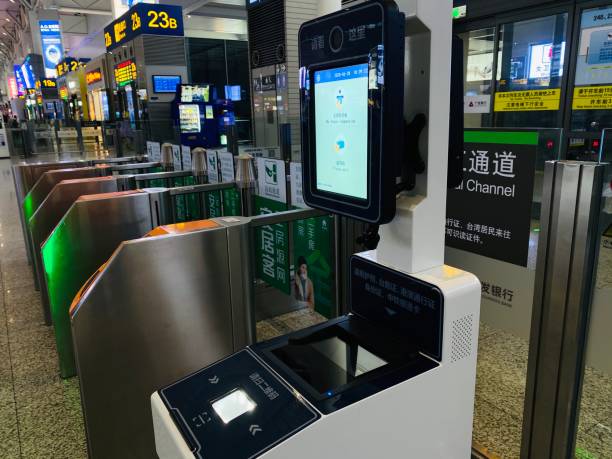
(Image courtesy of anilbolukbas via iStock)
Contingency planning urged
ABTA, which represents UK-based travel agents and tour operators, has urged the European Commission to actively encourage the use of contingency measures during the summer.
In a statement on its website, the association noted that it had contacted the Commission directly to raise concerns over possible airport delays.
The call follows warnings by airport industry bodies in late 2025 that EES could result in significant queues and processing delays if not implemented carefully.
In some cases, such as Lisbon and Dover, authorities have already chosen to pause EES-related checks temporarily to prevent disruption.
Final checks before summer
The option for countries to pause EES checks is only temporary and intended to give border authorities time to adjust to the new system during high-traffic periods.
The European Commission has said that all participating countries remain obligated to complete the system’s implementation by the April deadline.
The flexibility period will apply for 90 days after April 9, with an optional 60-day extension—ending no later than early September 2026.
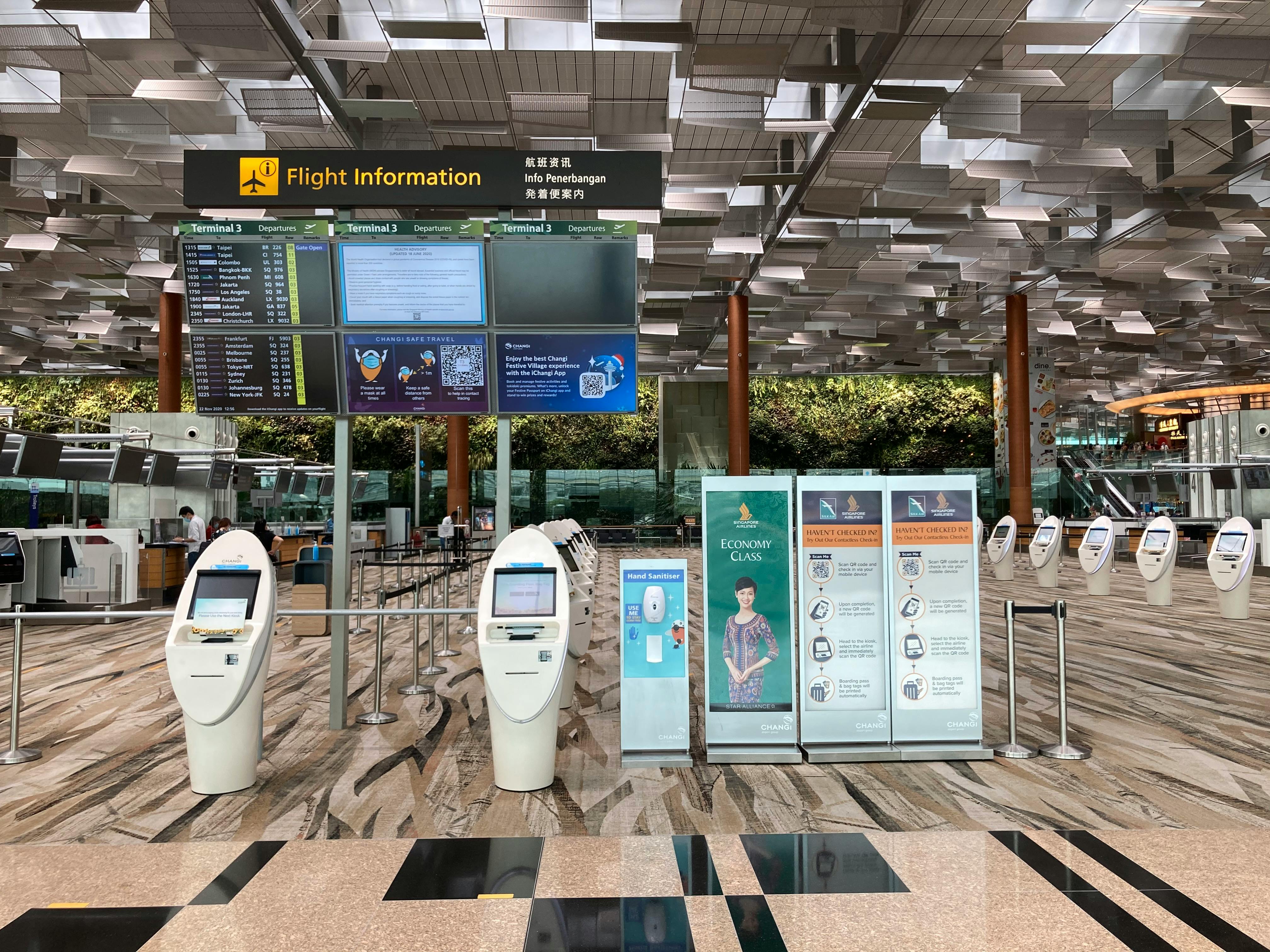
(Image courtesy of Pjiong via Pexels)
Timetable set, adjustments allowed
EES will go live across all Schengen borders on April 9, 2026, as originally scheduled. While countries can suspend checks during the summer travel rush, the system itself will be fully in place and mandatory going forward.
The Commission’s message remains consistent: the deadline stands, and any operational breathing room is built into the plan—not a delay.