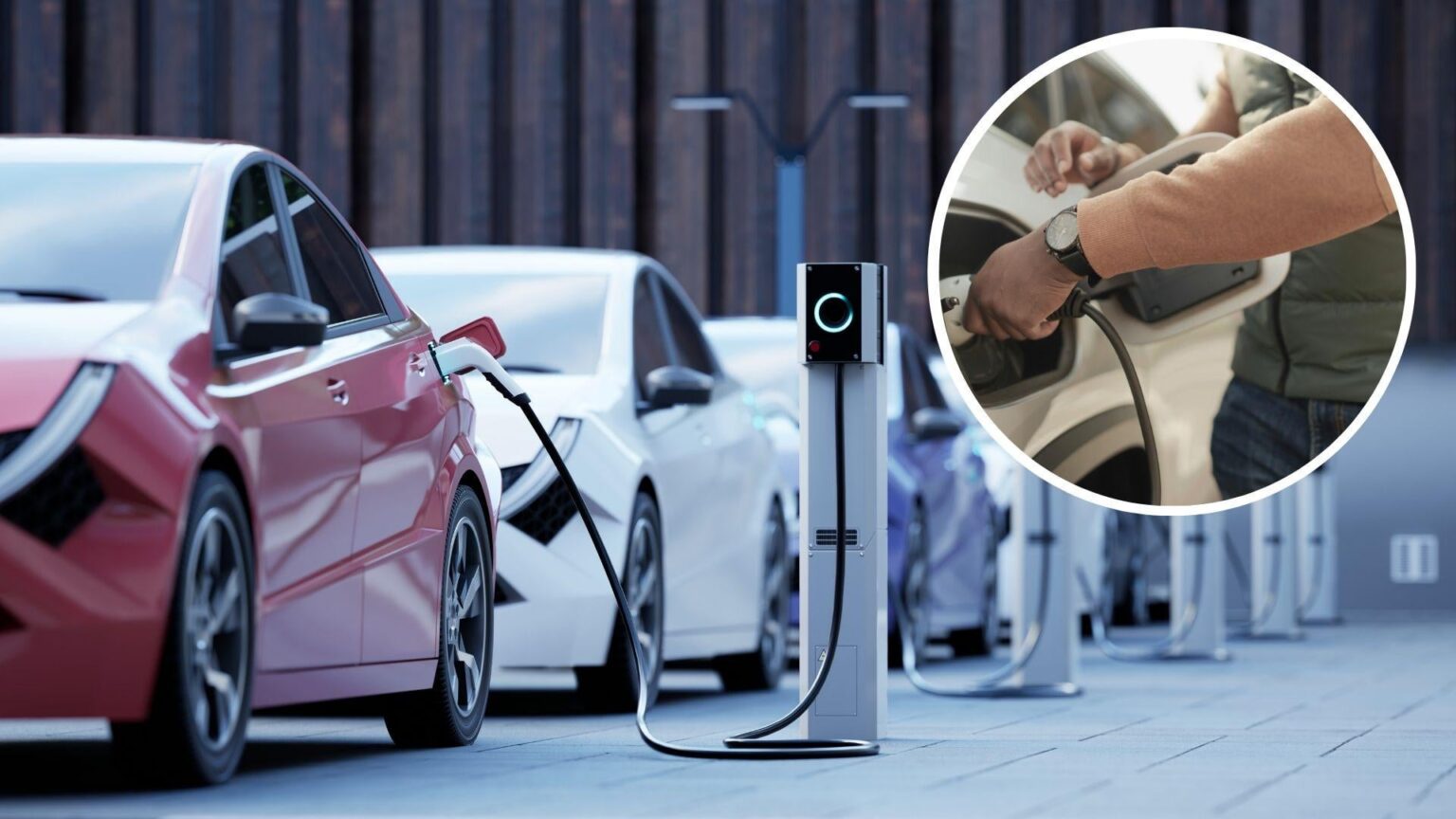
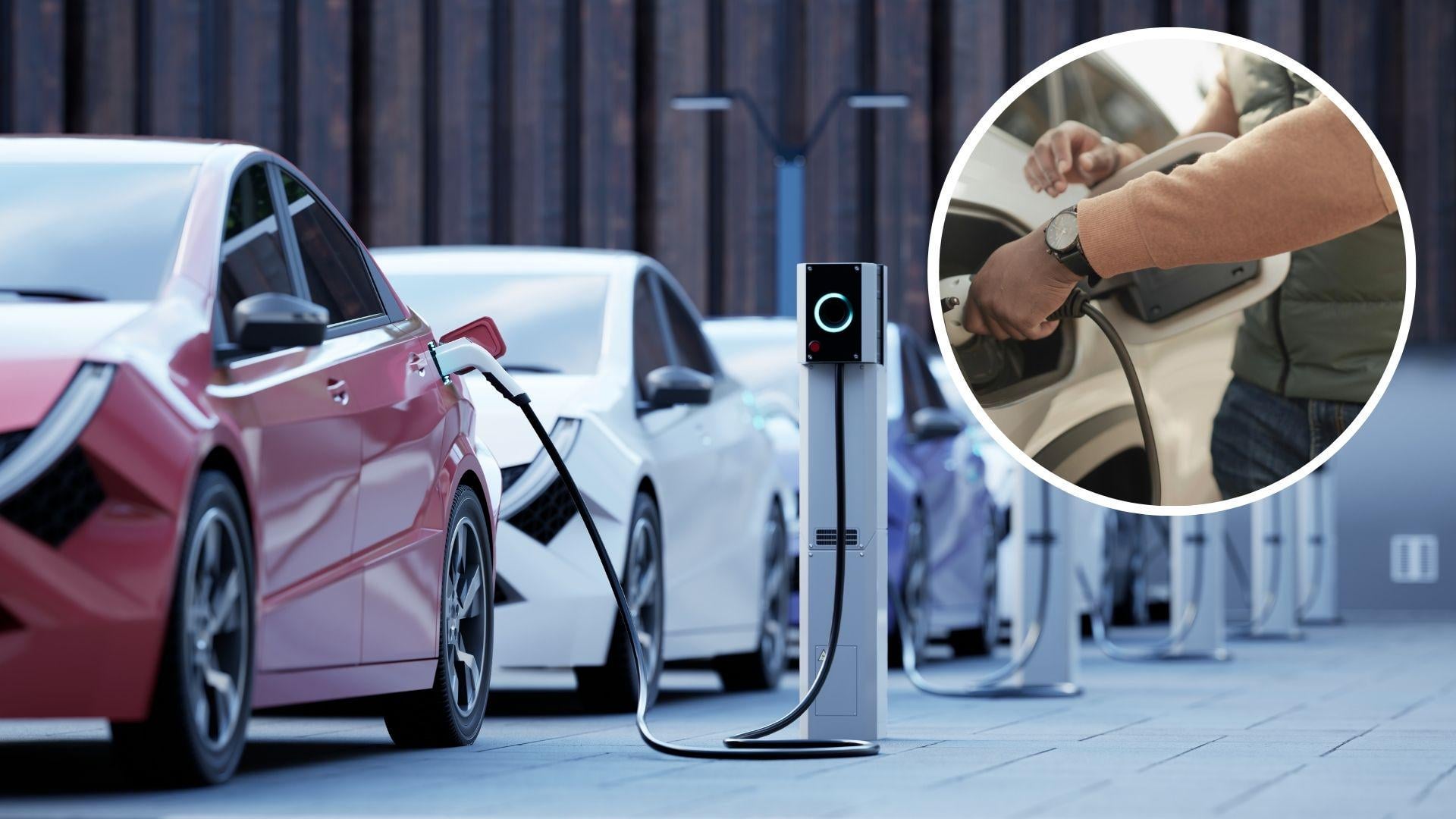
A new project kicked off in Germany aims to drastically reduce EV charging times. Long charging times and limited ranges are still two major hurdles that deter many potential EV buyers.
For this, researchers in Dortmund University are significantly involved in the EU research project ODYSSEV.
The goal is to advance the use of high-voltage technologies in electric vehicles and define safety standards. Designed to run for 42 months, the project is funded by the EU’s Horizon Europe program through the 2ZERO Partnership, and was launched in early 2026 with a kick-off event at the CIRCE Institute in Zaragoza, Spain.
farticustheelder on
My thinking is we need 2 charging speeds. About 15 minutes for the on highway stuff since I want a quick trip to the washroom and enough time to grab a fresh coffee. And 5 minutes in the city so that gas stations can switch to charging stations without needing to physically expand their footprint which is impossible for most urban locations.

2 Comments
A new project kicked off in Germany aims to drastically reduce EV charging times. Long charging times and limited ranges are still two major hurdles that deter many potential EV buyers.
For this, researchers in Dortmund University are significantly involved in the EU research project ODYSSEV.
The goal is to advance the use of high-voltage technologies in electric vehicles and define safety standards. Designed to run for 42 months, the project is funded by the EU’s Horizon Europe program through the 2ZERO Partnership, and was launched in early 2026 with a kick-off event at the CIRCE Institute in Zaragoza, Spain.
My thinking is we need 2 charging speeds. About 15 minutes for the on highway stuff since I want a quick trip to the washroom and enough time to grab a fresh coffee. And 5 minutes in the city so that gas stations can switch to charging stations without needing to physically expand their footprint which is impossible for most urban locations.