
Published on
February 14, 2026
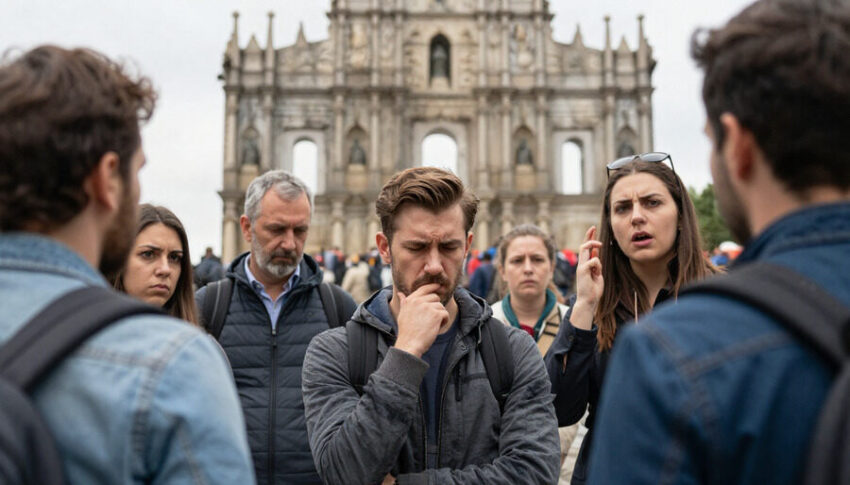
In a growing trend across Europe, France has joined a list of countries including Hungary, Norway, Denmark, Spain, Germany, Portugal, and Belgium in rejecting U.S. tourists. As American tourism to the continent increases, these destinations are sending a clear message of discomfort, with cultural differences, political tensions, and changing attitudes leading to a more hostile environment for U.S. travelers. Once popular tourist spots, these countries are now offering a colder reception, raising concerns about how U.S. tourism will be affected in the future.
France: The Country Where U.S. Tourists Are Least Welcome
The notion of France as a haven for American tourists has been shaken in recent years. A recent survey revealed that 15% of French respondents believe that their country is the least welcoming to U.S. visitors. While this might surprise some, it highlights a growing discomfort that many American travelers have experienced when visiting France.
The roots of this tension lie in cultural clashes. French society operates under norms that often differ dramatically from those in the U.S. One of the most common sources of discomfort is the French emphasis on greetings. A simple “bonjour” is expected, and failing to acknowledge people this way can be seen as rude. Additionally, public behavior in France tends to be quieter and more subdued than what Americans are used to, with less tolerance for loud or overly informal interactions.
For U.S. tourists unfamiliar with these customs, navigating French cities like Paris can feel challenging. The expectation of formalities, respect for meal times, and a quieter public demeanor can seem stifling to those accustomed to a more casual and fast-paced environment. Americans are often caught off guard by the perceived coldness of the service, which might feel indifferent compared to the warmth they expect back home.
Advertisement
Advertisement
While it’s not a matter of outright disdain for Americans, cultural friction remains a significant barrier for many U.S. travelers. Even the language barrier can exacerbate the feeling of exclusion, as many tourists are hesitant to speak French and fear judgment for their lack of proficiency. This sense of being out of place can make many American visitors feel unwelcome, despite the country’s famed beauty and cultural richness.
Hungary and the Nordic Countries: Unexpected Resistance
Although France takes the lead, several other European countries are also becoming increasingly unwelcoming toward U.S. tourists. Among them are Hungary, Norway, Denmark, and Spain, all of which have seen rising levels of dissatisfaction from residents regarding American visitors.
Advertisement
Advertisement
It’s particularly surprising to see countries like Norway and Denmark on this list, given their global reputation for friendliness and hospitality. However, recent studies show that anti-American sentiment has surged in these countries, largely due to political and ideological differences. A study by YouGov found that attitudes toward the U.S. have worsened significantly in Western Europe, especially following the reelection of a former U.S. president. Denmark, for example, saw 74% of its population expressing unfavorable views toward America, while Germany (56%) and Britain (53%) also showed significant increases in negative perceptions.
This shift in sentiment is tied to political tensions between the U.S. and Europe, particularly over issues like climate change, trade policies, and international relations. Many Europeans feel that the U.S. has diverged from shared values, leading to a broader sense of dissatisfaction that is now affecting tourism. It’s not just the political elite but also everyday citizens who feel alienated by the actions and policies of the U.S. government, and this has inevitably bled into how U.S. tourists are treated abroad.
Portugal and Belgium: A Growing Discontent
Portugal and Belgium are not far behind in their expressions of frustration with American tourists. Although these countries may not rank as highly as France or the Nordic nations, increasing annoyance with American behaviors is becoming more apparent.
In Portugal, the rapid rise of tourism, particularly in cities like Lisbon and Porto, has led to growing tension between visitors and locals. Many Portuguese residents have voiced their irritation with American tourists who expect fast service and are unaware of local customs, such as the slower pace of life and the importance of meal times. Similarly, in Belgium, which is known for its peaceful atmosphere and polite society, U.S. tourists’ louder behavior and perceived sense of entitlement have become a source of frustration for locals.
This dissatisfaction is rooted in a lack of understanding of local cultural norms. For instance, American visitors may expect the same fast-paced, high-energy service they get at home, but in places like Brussels and Antwerp, there is a preference for a quieter, more laid-back approach to dining and public life. This contrast in expectations has caused tension, with many locals feeling that American tourists are ignoring or disregarding the cultural values that shape their society.
The Political Influence: How Global Issues Shape Travel Experiences
The growing reluctance toward U.S. tourists cannot be solely attributed to cultural differences. Political climate plays an equally significant role. Tensions between the U.S. and several European countries have reached a new high in recent years, fueled by differences in foreign policy, environmental concerns, and international leadership. This discord has created a palpable unease among European citizens, which is now being reflected in their interactions with American visitors.
European nations have become increasingly vocal about their disagreements with U.S. policies, particularly on issues like climate change and foreign relations. The U.S.’s stance on global warming, trade agreements, and military interventions has caused friction, and this political divide is manifesting in how Americans are perceived when they travel abroad. This discontent is not confined to government institutions; it has spread to the general population, influencing how they view U.S. tourists.
What Can U.S. Tourists Do?
For Americans planning to travel abroad, awareness of these shifting attitudes is crucial. Cultural sensitivity is the most effective way to avoid friction and ensure a positive experience. Tourists should take the time to familiarize themselves with local customs, traditions, and social norms before arriving in a foreign country. Simple gestures like greeting people in the local language or understanding the local dining etiquette can go a long way in bridging the cultural divide.
Mindfulness of one’s behavior is also important. Visitors should be patient with service, avoid raising their voices in public places, and show respect for the quiet, reserved public demeanor that is typical in many European cultures. Being aware of how one is perceived by locals can help foster positive interactions and reduce the tension that may otherwise arise from cultural misunderstandings.
Conclusion: Navigating a Changing Landscape of Global Travel
The changing perceptions of U.S. tourists abroad are a reflection of broader global tensions, which have been exacerbated by political and cultural differences. While this shift may be disheartening for those who love to travel and experience new cultures, it offers an opportunity for growth. By learning to adapt to local customs, being respectful of cultural norms, and recognizing the impact of global politics, American tourists can continue to have enriching experiences while fostering positive relations abroad.
In the end, travel remains a powerful tool for cultural exchange, and with a little awareness and humility, U.S. tourists can still enjoy the wonders of the world — despite the growing hostility they may face in certain destinations.
