
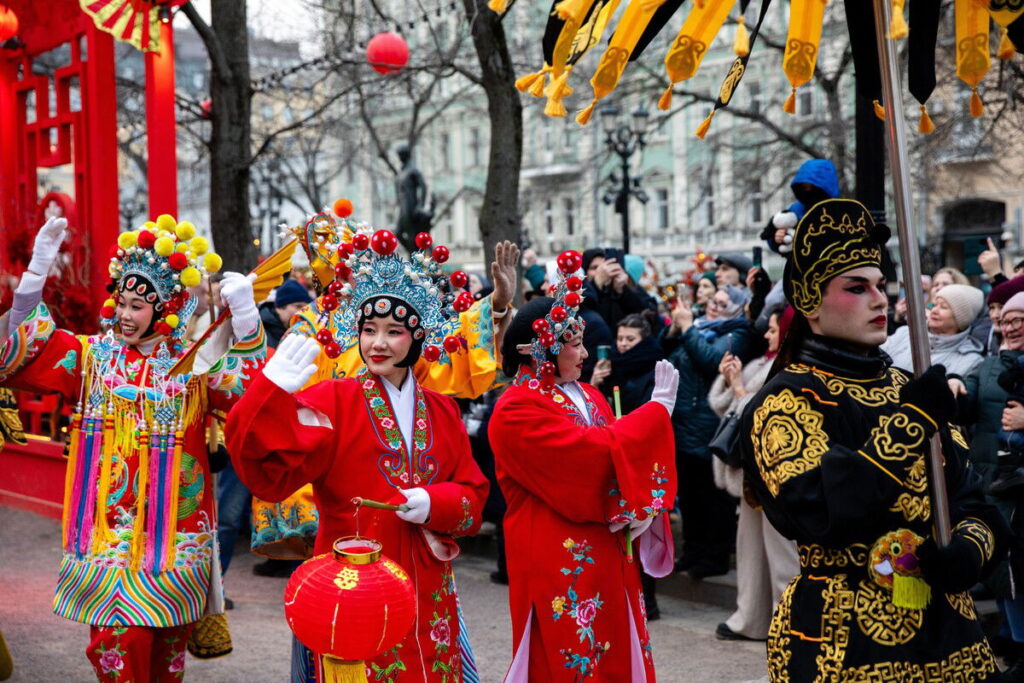
Red clothing and traditional colours are common during Lunar New Year celebrations.
Credit: Shutterstock/Irina Mikhailichenko
Red lanterns, dragon dances and fireworks are set to light up parts of Spain this week as Lunar New Year begins on Tuesday, February 17. This year marks the start of the Year of the Horse, a zodiac sign that only returns every 12 years and, in 2026, carries extra significance as a rare Fire Horse year.
Celebrations are expected across several Spanish cities with large Chinese communities, blending traditional festivities with local street events and cultural programmes.
What the Year of the Horse means
In Chinese tradition, the zodiac follows a 12-year cycle, with each year represented by an animal. The horse symbolises energy, freedom and determination, and people born under this sign are often described as dynamic, independent and adventurous.
Most Read on Euro Weekly News
The 2026 zodiac is particularly notable because it is a Fire Horse year. In the Chinese elemental cycle, each animal combines with one of five elements, meaning the Fire Horse appears only once every 60 years. The last Fire Horse year was 1966. In traditional beliefs, Fire Horse years are associated with strong personalities and bold change, making them culturally significant and widely discussed in Chinese communities worldwide.
Which birth years are Year of the Horse
People born in the following years fall under the Horse zodiac sign:
- 2014
- 2002
- 1990
- 1978
- 1966 (last Fire Horse year)
- 1954 and earlier cycles
Those born in early January or February should check exact lunar calendar dates, as zodiac signs shift with Lunar New Year rather than January 1.
Celebrations across Spain
Spain has one of Europe’s fastest-growing Chinese communities, and Lunar New Year is now widely celebrated in major cities. Madrid typically hosts the country’s largest festivities, especially in the Usera district, with parades, lion dances and fireworks expected over the coming weekends. Barcelona also organises large public celebrations linked to cultural institutions and community groups, while Valencia and Seville host smaller parades and performances.
In the Balearics, community-led events are planned in Palma, where local celebrations usually take place around Pere Garau, an area known for its multicultural atmosphere. Most celebrations extend beyond the official New Year date, often running for several days or even weeks, reflecting the traditional 15-day Lunar New Year festival period.
Why Lunar New Year keeps growing in Spain
What was once a community celebration has increasingly become a mainstream cultural event in Spain. City councils now support public programming, and festivals often attract both locals and tourists curious about Chinese traditions.
For expats, it is also an opportunity to experience one of the world’s most important cultural holidays without leaving Spain. From food markets to street parades and lantern displays, Lunar New Year events offer a colourful break from the winter calendar.