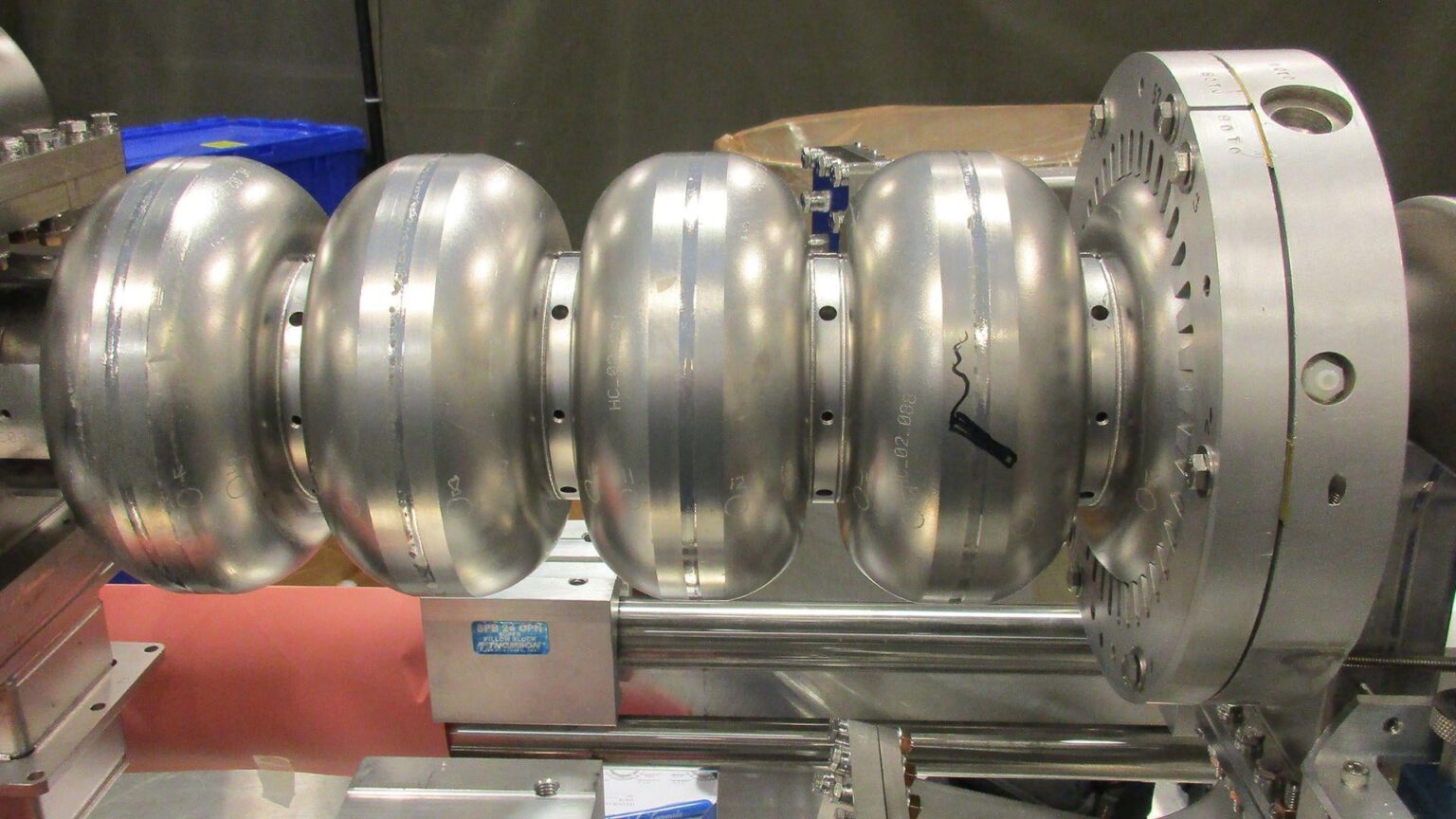
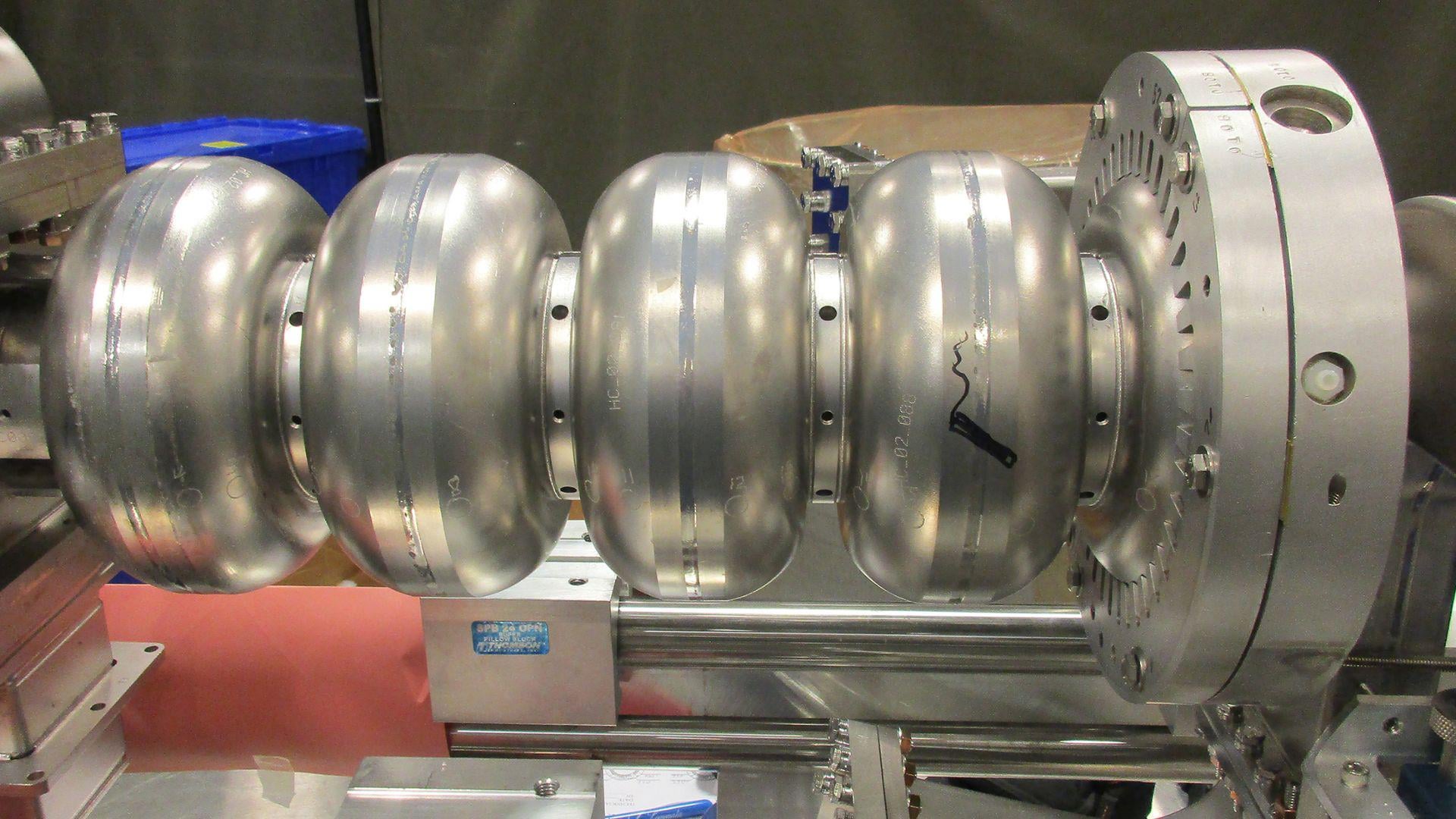
Researchers at the DOE’s Thomas Jefferson National Accelerator Facility are advancing two high-stakes projects aimed at optimizing Accelerator-Driven Systems (ADS).
The initiative focuses on a dual-purpose breakthrough: generating additional carbon-free electricity from spent nuclear fuel while drastically reducing its radioactive lifespan.
The projects are supported by $8.17 million in grants from the Department of Energy’s NEWTON (Nuclear Energy Waste Transmutation Optimized Now) program and represent a shift from treating used nuclear fuel as a permanent liability to viewing it as a recyclable fuel source.

1 Comment
Researchers at the DOE’s Thomas Jefferson National Accelerator Facility are advancing two high-stakes projects aimed at optimizing Accelerator-Driven Systems (ADS).
The initiative focuses on a dual-purpose breakthrough: generating additional carbon-free electricity from spent nuclear fuel while drastically reducing its radioactive lifespan.
The projects are supported by $8.17 million in grants from the Department of Energy’s NEWTON (Nuclear Energy Waste Transmutation Optimized Now) program and represent a shift from treating used nuclear fuel as a permanent liability to viewing it as a recyclable fuel source.