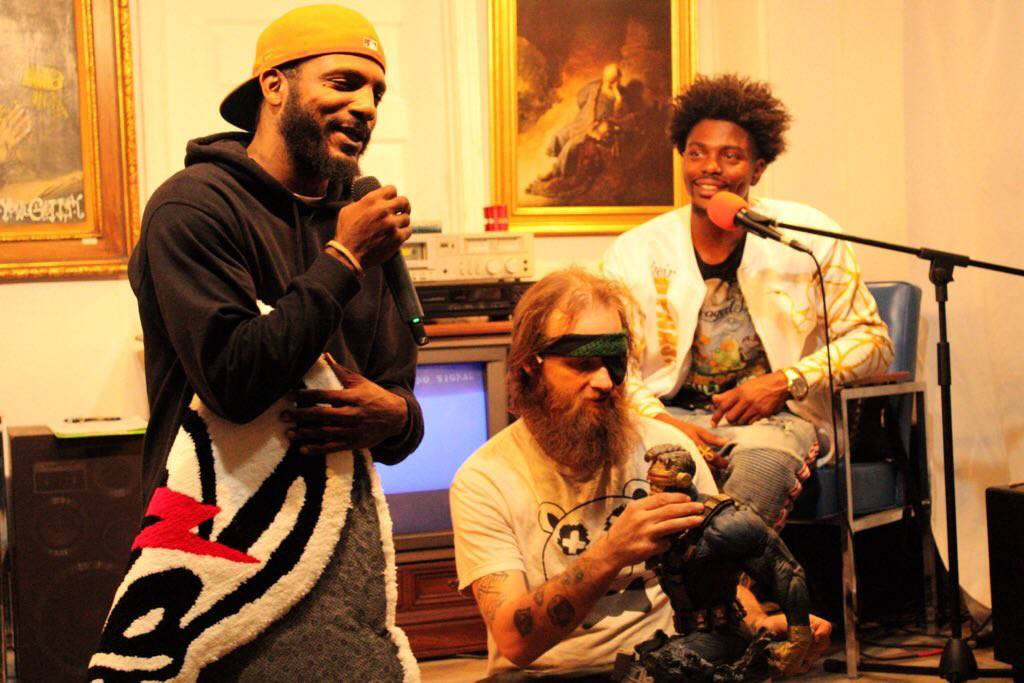
For Michael Joseph Armanno, the vision behind Bespoke House is about more than adaptive reuse—it’s about canceling the starving artist myth and rebuilding infrastructure that allows creativity to thrive economically. By reimagining the Old Daily Record Building as a live/work, production, and community hub, Armanno is working to unify Jacksonville’s fragmented creative class into a sustainable ecosystem where artists gain not just space, but visibility, collaboration, and real pathways to long-term economic mobility.
Hi Michael, thank you so much for taking the time to share this ambitious vision with our readers. Bespoke House is proposing a bold transformation of Jacksonville’s historic Old Daily Record Building — can you walk us through how this idea came together and why this particular space feels so important to the future of the city’s creative economy?
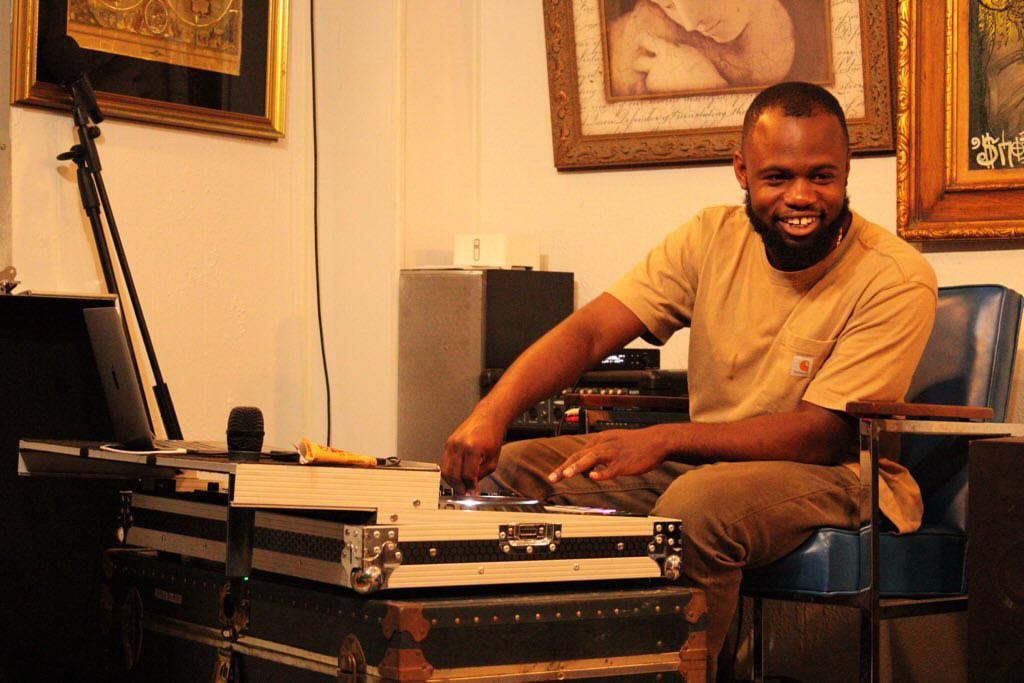
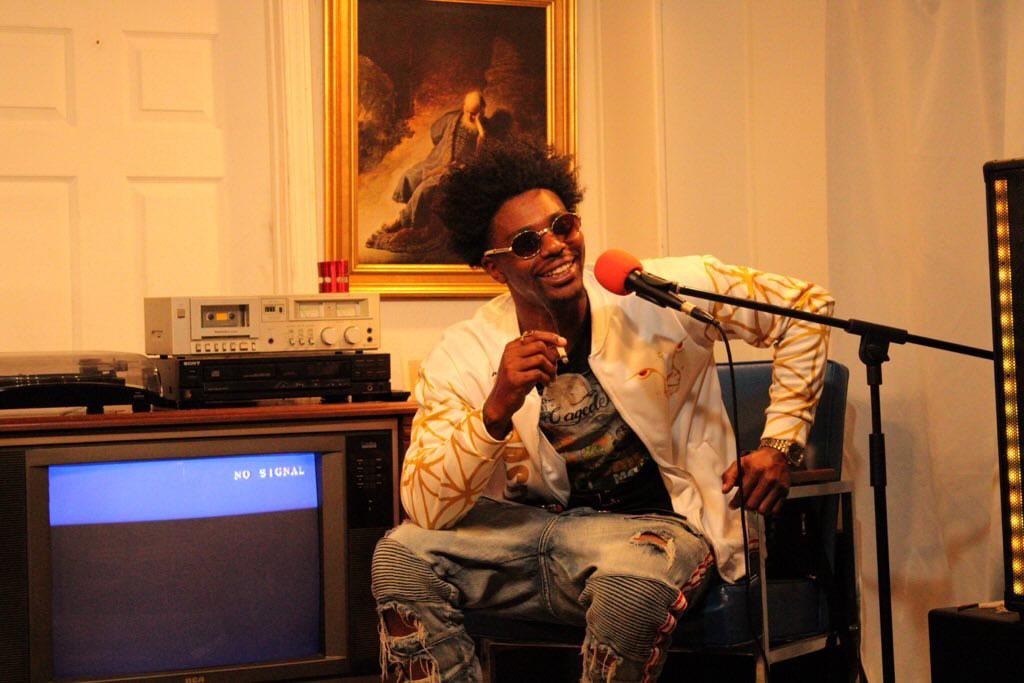
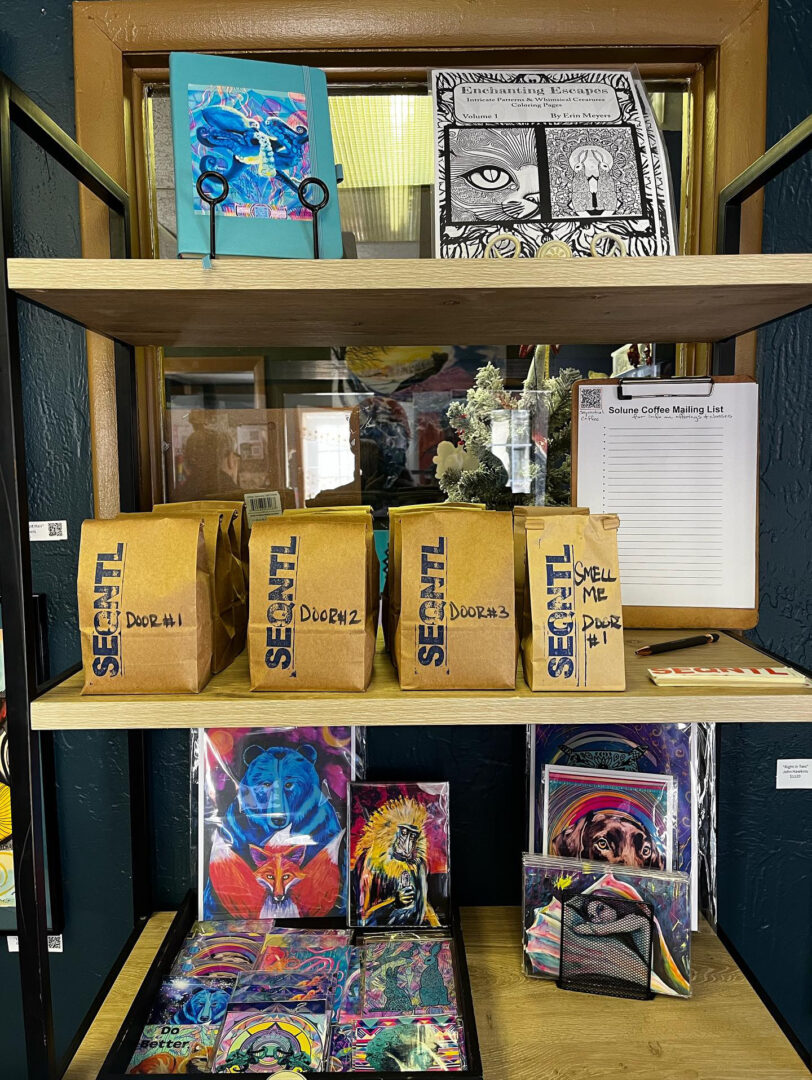
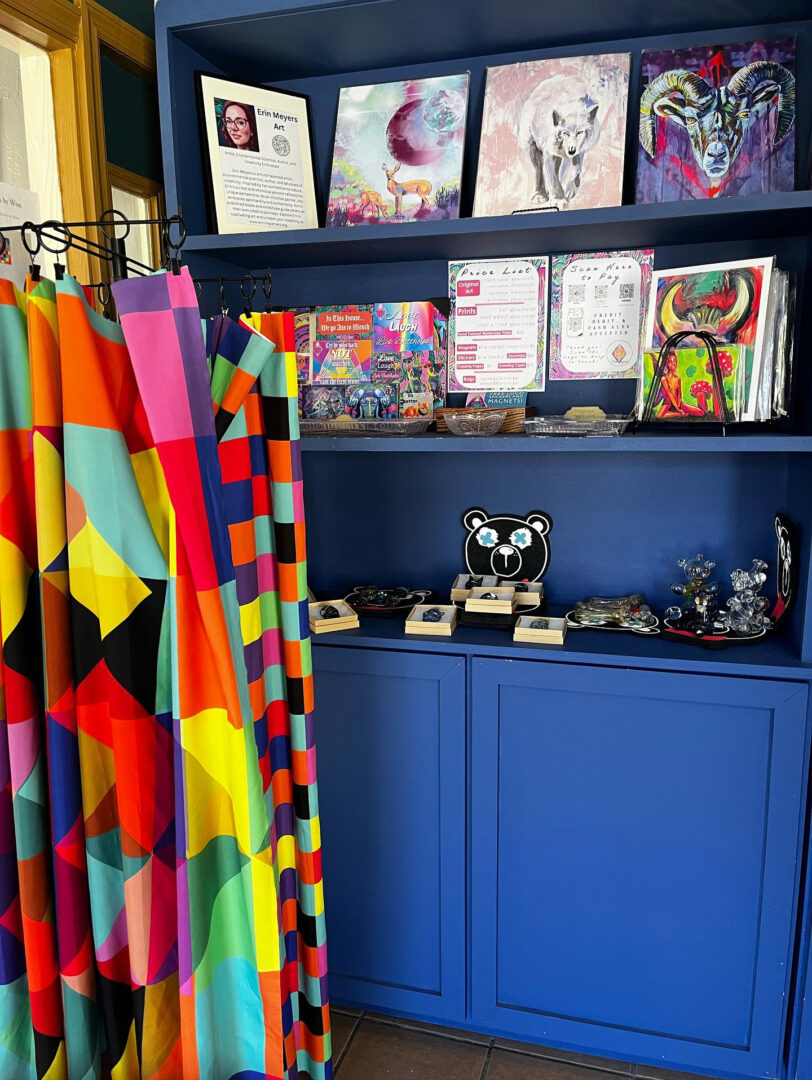
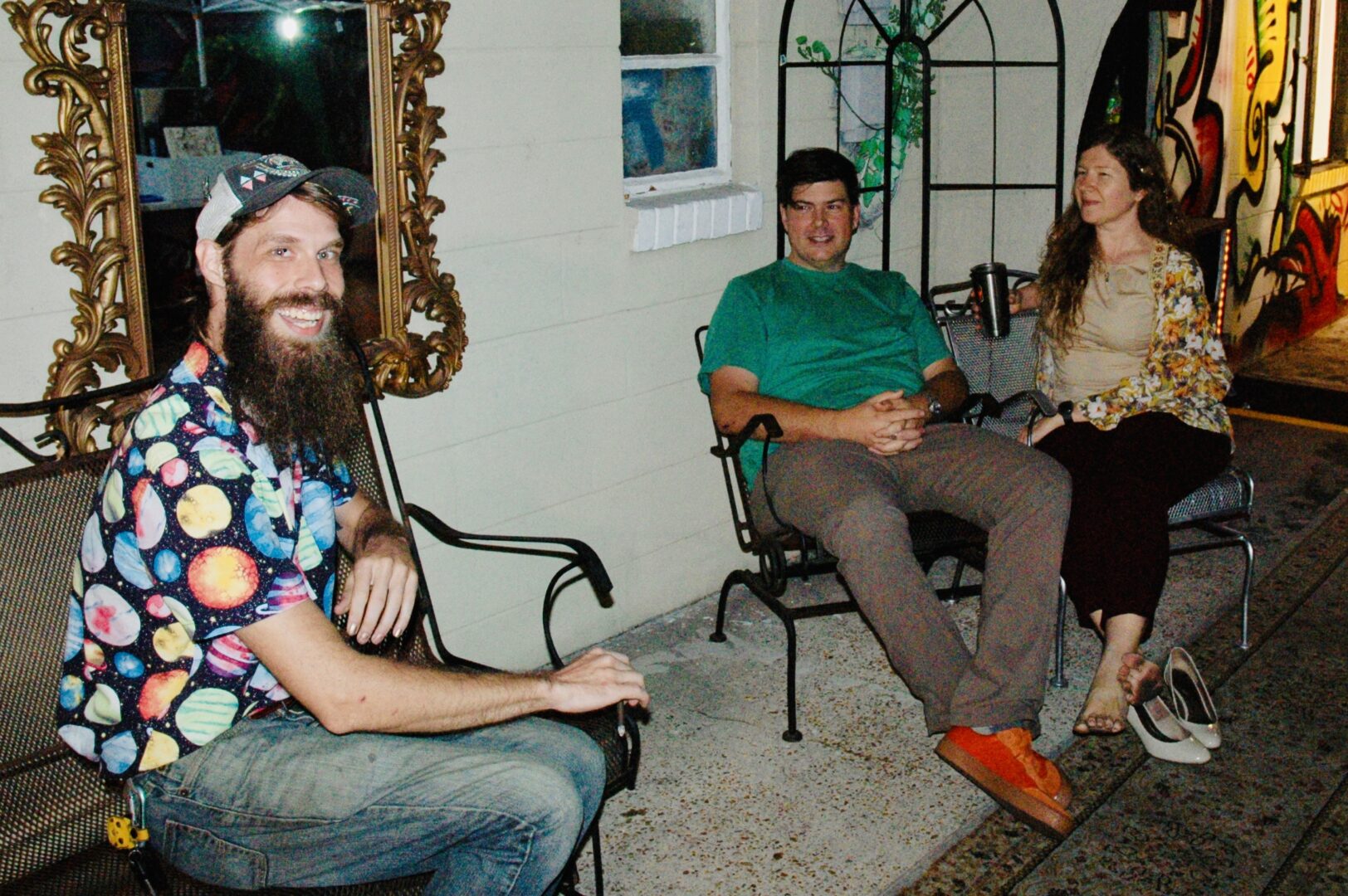
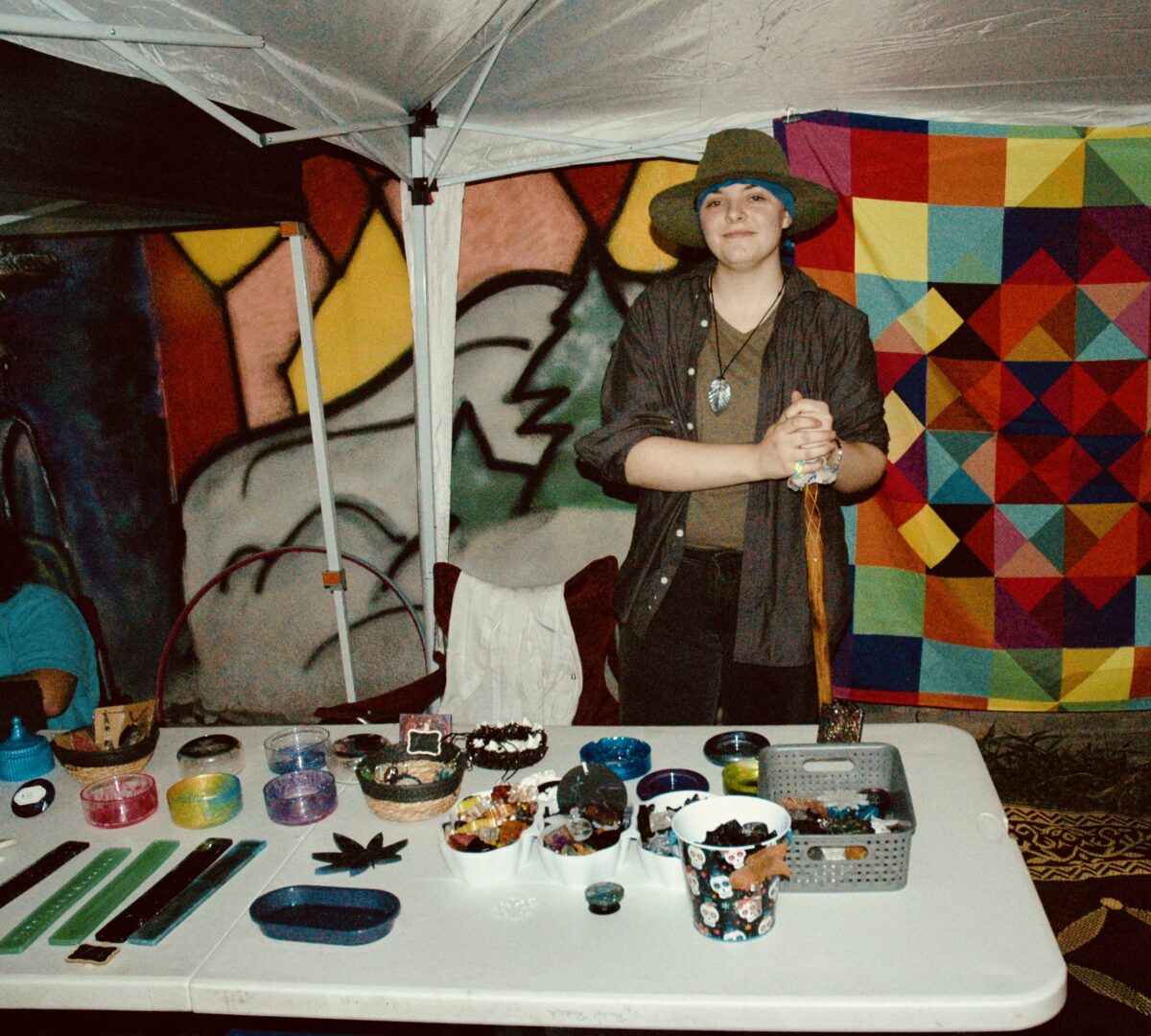
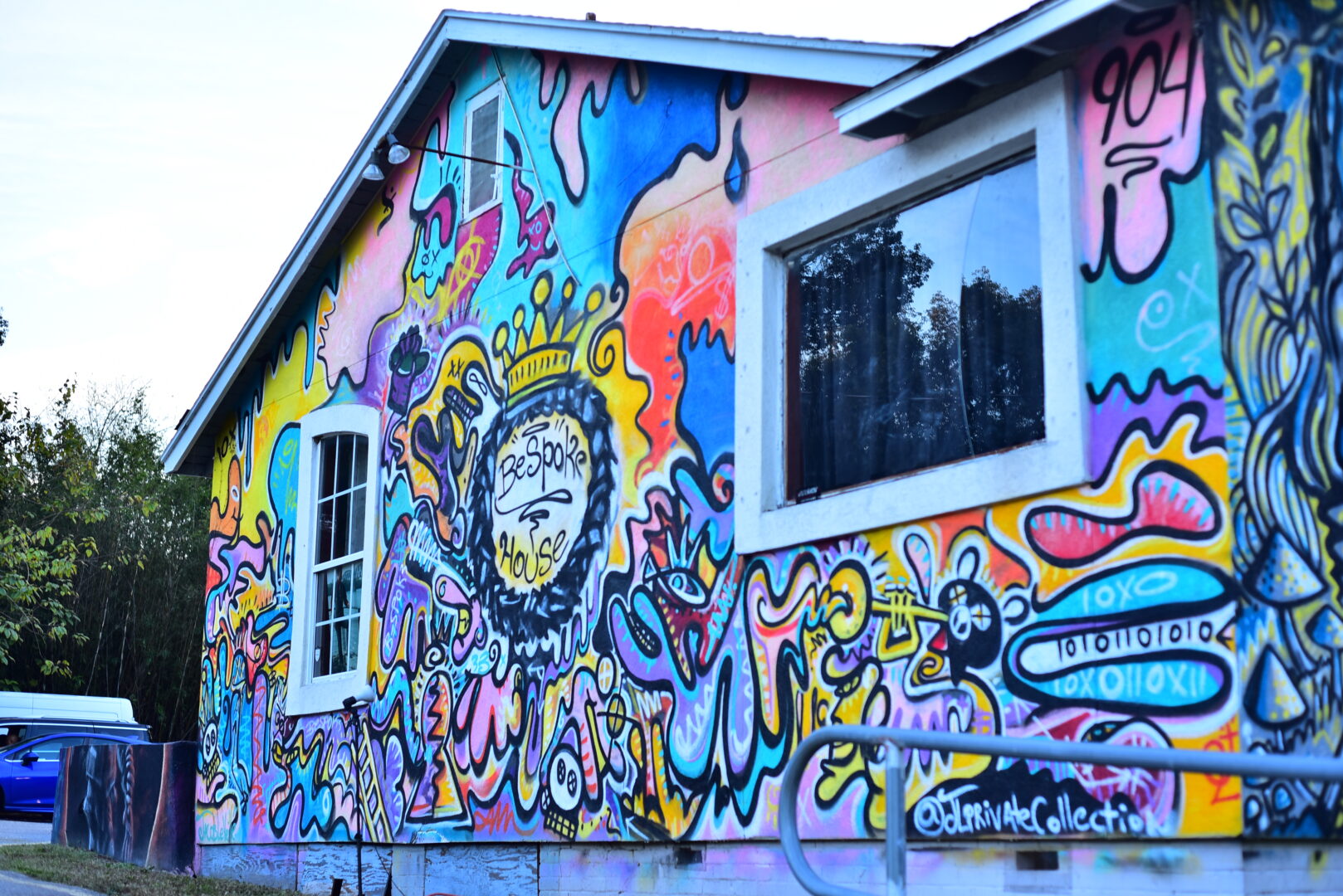
Absolutely. Our journey began with a simple but profound observation that the creative class in Jacksonville is rich in talent but fragmented in space, support, and infrastructure. We started by opening our first campus on Park Street, where we invited the creative class in to share their voice and truly speak for something. From painters and poets to musicians and makers, we realized there was a profound need not just for space but for community, visibility, and opportunity. Bespoken For became the platform that share those voices, and as we compared the lived experience of our members to the economic data locally, the gaps became impossible to ignore.
The Old Daily Record Building is more than just a downtown icon. It sits at the cultural crossroads of Jacksonville’s Downtown, is steps from the Florida Theatre, and offers the size, history, and infrastructure to house studios, galleries, live/work spaces, print and apparel labs with Lucid State Designs, a recording studio, and a livestream production hub. It is the perfect physical and symbolic home for what Bespoke House is building which is a place where creatives not only survive but thrive.
You’ve spoken powerfully about “canceling the starving artist myth.” What gaps have you seen in Jacksonville’s current creative infrastructure, and how does the proposed Daily Record facility directly address those challenges for artists and creative entrepreneurs?
The idea that “starving artist” is inevitable is one of the greatest barriers to creative success. I’ve seen it hold people back personally and professionally. In Jacksonville, there is talent, but not enough centralized support for career development, production infrastructure, and economic mobility. Artists work in isolation, pay steep fees for basic services, struggle to book performance spaces, lack reliable recording facilities, and rarely have access to affordable marketing or media production tools.
The Daily Record facility can be the antidote to those gaps. By building live/work artisan suites, production labs with livestream infrastructure, print and apparel services powered by Lucid State Designs, coworking spaces for patrons, and studio resources that are part of membership benefits. This means creatives can build sustainably, collaborate more easily, and monetize their craft. It turns passion into a profession with real pathways and that is what canceling the starving artist myth really means.
This initiative aligns closely with the ACE Committee’s findings and the call for real investment in artist workforce development. How do you see Bespoke House translating policy conversations into tangible, on-the-ground opportunities for creatives?
Policy is words on paper until it meets lived experience. The ACE Committee recognized that the creative economy is underleveraged and that investment can have measurable impact. Bespoke House is about turning that recognition into activation. We are partners with the community, creatives, civic leaders, and sponsors like Tiny Little Tech Shop, and we are building measurable programs not just promises.
We offer workshops, grant writing support, media production services, live stream and podcast platforms, curated exhibitions, mentorship, and membership tiers structured around income generation, not gatekeeping. We’re designing a creative workforce development pipeline that empowers participants with real economic tools and connects them to opportunities that policymakers want to see like apprenticeships, entrepreneurial training, creative careers, and pathways to sustain growth.
The planned space includes everything from live/work artisan suites to production labs, galleries, and affordable coworking. How did you approach designing a model that balances accessibility, sustainability, and real economic mobility for members?
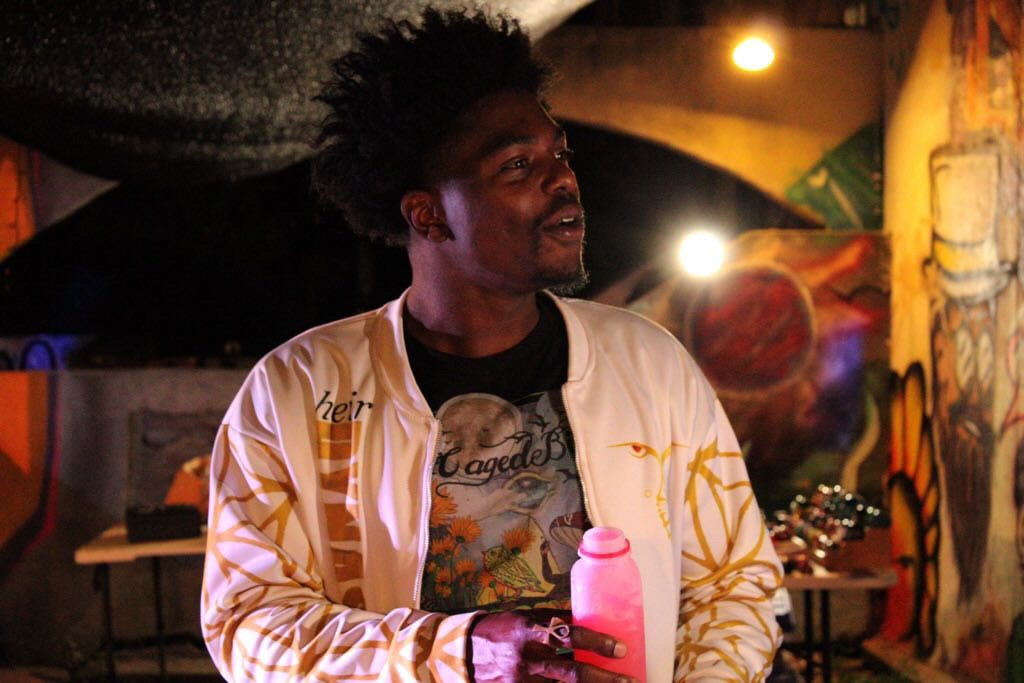
We started with real needs. I come from a background in design and multimedia production from the University of Evansville, and I’ve lived the creative life building everything from clothing with Kalypso Couture to multimedia projects. Josh Weber, our Operations Director and career borosilicate glass artist, brings decades of experience as an entrepreneur and maker. Together we saw that creative success isn’t romantic, it’s structural.
So we layered in accessibility at every level:
- Twenty Knots Patron Membership at $20/month opens doors to coworking, vending, and startup resources.
- Artisan Membership at $100/month includes 24/7 lounge access, livestream features, podcast episodes, and five curated reels, the media infrastructure artists need.
- Master Artisan Membership at $250/month adds premium consulting, profile features, and economic referral benefits.
Studios are priced to match real market needs while giving creatives a chance to operate profitably without prohibitive costs. Everything is tied back to sustainable revenue streams, collaboration opportunities, and economic mobility. Our members don’t just pay dues, they gain assets and opportunities.
Fundraising plays a major role in bringing this vision to life, including the upcoming Severance-themed Break Room Gala. What has the community response been like so far, and why was it important to make sponsors true partners in the creative ecosystem you’re building?
Sponsors like Tiny Little Tech Shop are not just logos on a board. They are activating partners, they help us livestream, produce content, and provide tools for our members. That level of engagement aligns with our mission and shows the community that supporting artists is not charity, it’s investment. We are welcome new sponsors and seeking grant opportunities for our nonprofit. Sponsors become collaborators in building infrastructure, supporting events, and fueling economic growth for creatives.
Looking beyond downtown, your long-term vision includes a potential Westside campus at the former Wesconnett Elementary School. What excites you most about that next chapter, and how do you hope Bespoke House reshapes Jacksonville’s creative and economic future over the next decade?
The inspiration at Park Street taught us that creatives need access, visibility, and community. Wesconnett represents an opportunity to expand that model into an area that has been underserved where space and opportunity for creative work are desperately needed. Imagine affordable live/work spaces, career programming, artisan studios, media labs, and community kitchens all in one campus and that is the next iteration of what we started.
For decades, towns and communities have been built around culture, my hometown Indianapolis has a small city within it named Speedway, Indiana. Home of the Indianapolis Motor Speedway. Communities built around golf, yacht clubs, brotherhoods, and patronage systems. Artists historically had patrons at the center of cultural life. That ecosystem disappeared over time in many places, including here. Bespoke House is about restoring that ecosystem and evolving it for the 21st century.
Over the next decade we hope to see Jacksonville become a city where creative careers are viable, celebrated, economically significant, and integrated into the city’s identity. That’s not pie in the sky dream, that’s structural change built from the ground up with real spaces, programs, and people.