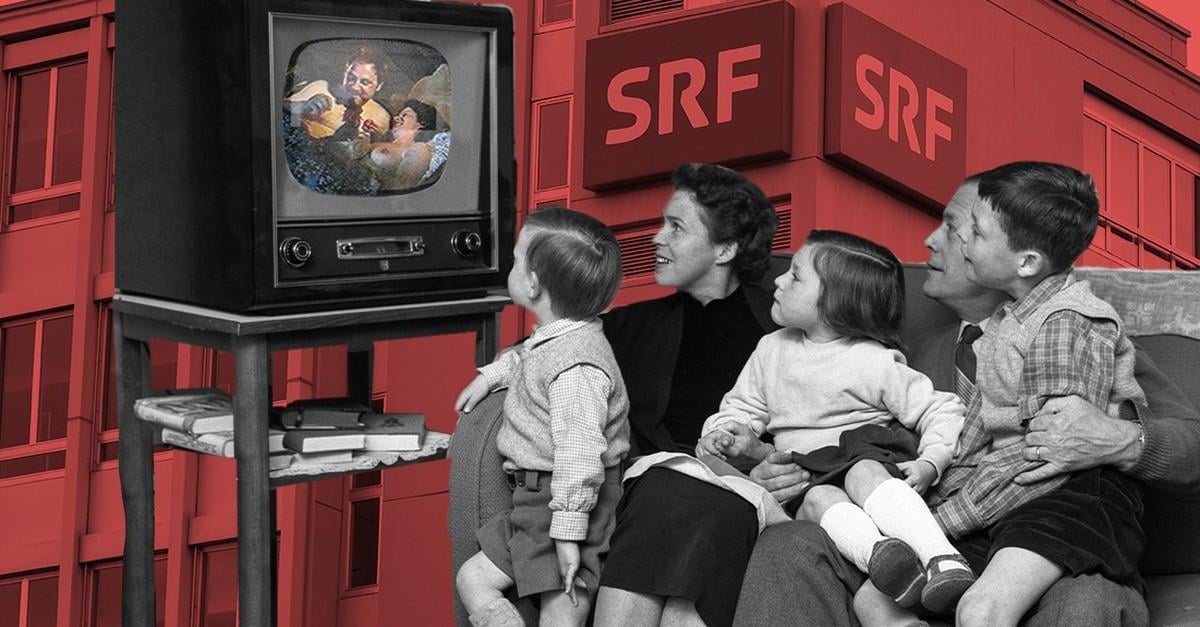
How the parties wanted to ban and control the SRF – until it became independent
https://www.watson.ch/schweiz/leben/537773786-geschichte-der-srg-der-lange-weg-zur-unabhaengigkeit
Posted by BezugssystemCH1903

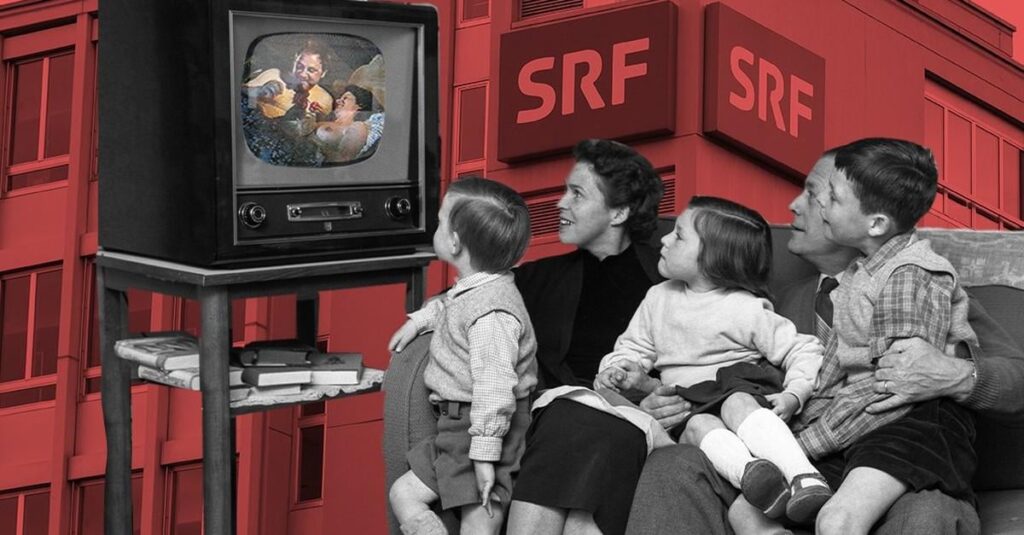
How the parties wanted to ban and control the SRF – until it became independent
https://www.watson.ch/schweiz/leben/537773786-geschichte-der-srg-der-lange-weg-zur-unabhaengigkeit
Posted by BezugssystemCH1903
4 Comments
At first, I thought the Swiss National Museum blog had written the article, not Watson. Exceptionally good quality.
> Die CVP fordert im Parlament eine politische Oberaufsicht, bei der jede Partei proportional zu ihrer Wählerstärke an der Gestaltung des Programms der SRG beteiligt ist. Die SP wünscht sich eine «Demokratisierung des Fernsehapparats», weniger Staatsnähe, ein Bildungsfernsehen finanziert durch Gebühren. Die Bürgerlichen wollen die staatliche Kontrolle ausbauen und wünschen sich ein bürgerliches Fernsehprogramm.
Boy am I glad the parties were put into their place. There’s always Teleblocher if you’re only interested in party propaganda.
The article is more about the past. Sure, SRG has a past but the future is highly questionable due to yearly decreasing audience. The current referendum, no matter the result, won’t be the last one.
Where does this article say that they wanted to ban SRG?
For me the biggest takeaway is that having alternatives to SRG (i.e. private media) is fundamental. SRG had a broadcasting monopoly until the 1980s, which meant that its power to shape public opinion was huge and the parties wanted to take advantage of that. It also meant that the broadcaster was always a little bit „behind the curve“ and needed public pressure to move ahead (for example youth protests or Radio 24) . Funnily enough, the SRG today is a little bit in the same position as it is a boomer platform.