
Published on
February 21, 2026
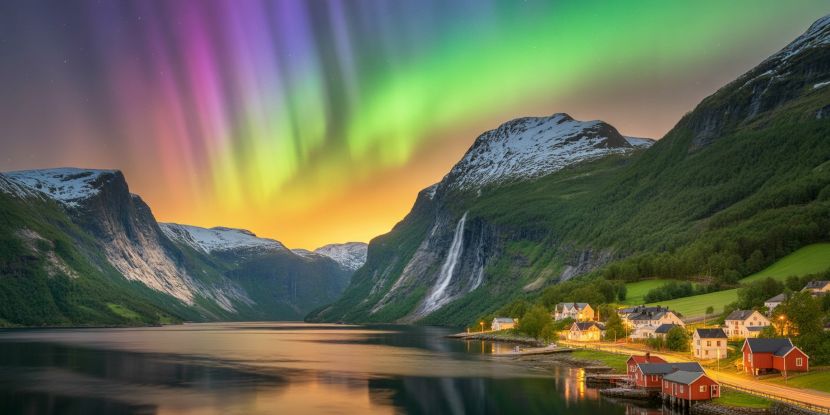
Image generated with Ai
Norway is once again stepping into the global spotlight as travellers celebrate it as Europe’s most beautiful country, and the ripple effect on tourism is unmistakable. From dramatic fjords to snow-capped peaks and glassy lakes, the Nordic nation is capturing the imagination of visitors who are searching for raw, untouched landscapes. Travel demand is rising as holidaymakers increasingly prioritise nature, open space and meaningful experiences overcrowded urban breaks. For many, Norway is no longer just a destination on a map. It is becoming a once-in-a-lifetime journey shaped by awe-inspiring scenery and unforgettable outdoor adventures.
Fjords and Natural Wonders Drive Global Attention
Norway’s iconic fjords remain the country’s strongest tourism magnet. Geirangerfjord and Nærøyfjord, both listed as UNESCO World Heritage Sites, continue to draw international travellers eager to witness steep cliffs plunging into deep blue waters. Cruise operators, hiking groups and photography tours are reporting sustained interest in fjord-focused itineraries.
The Norwegian tourism authority promotes scenic routes such as the Atlantic Road and Trollstigen, which offer panoramic drives through mountains and coastal landscapes. These routes encourage self-drive tourism, increasing visitor spending across rural communities. Waterfalls like Langfossen and Vøringsfossen add further appeal, reinforcing Norway’s image as a land shaped by powerful natural forces.
Northern Lights and Seasonal Experiences Extend Visitor Flow
Norway’s tourism appeal does not end with summer landscapes. Winter travel has gained momentum thanks to the Northern Lights phenomenon. Regions above the Arctic Circle, including Tromsø and Alta, have developed strong winter tourism infrastructures. Hotels, guided tours and Sami cultural experiences now create year-round economic opportunities.
Midnight sun experiences during summer months also help extend the travel season. Visitors can hike, kayak and explore national parks under endless daylight. This seasonal diversity allows Norway to balance tourism flows and reduce overdependence on peak summer months.
Sustainable Tourism Strategy Strengthens Norway’s Brand
Norway has actively aligned its tourism growth with sustainability goals. Government tourism strategies focus on protecting fragile ecosystems while encouraging responsible travel. Many fjord regions operate electric ferries and promote low-impact hiking trails. Sustainable certification programmes encourage local operators to maintain environmental standards.
Advertisement
Advertisement
This approach resonates strongly with environmentally conscious travellers. Modern tourists increasingly prefer destinations that safeguard natural heritage. Norway’s commitment to sustainable tourism strengthens its international reputation and supports long-term growth without compromising natural beauty.
Rural Communities Benefit from Scenic Tourism
Scenic tourism spreads economic benefits beyond major cities. Small villages along fjords and mountain valleys welcome visitors who seek authentic local experiences. Accommodation providers, restaurants and activity operators in remote areas report increased bookings during peak travel months.
Advertisement
Advertisement
Local food tourism also gains traction. Visitors explore farm stays, seafood experiences and traditional Norwegian cuisine. Cultural tourism complements natural attractions, ensuring travellers engage deeply with local communities rather than simply passing through.
Infrastructure investments further support rural tourism growth. Improved transport links, upgraded visitor centres and digital booking platforms make remote destinations more accessible to international travellers.
Europe’s Scenic Competition Strengthens Regional Tourism
While Norway captures headlines, other European destinations also benefit from the renewed interest in scenic travel. Countries such as Switzerland, Italy and Croatia continue to promote alpine landscapes, lakes and coastal panoramas. The broader European tourism market sees a shift toward nature-based holidays.
This trend supports cross-border travel and regional collaboration. Airlines, tour operators and cruise lines expand scenic routes connecting Nordic, Alpine and Mediterranean destinations. Multi-country itineraries that combine fjords with European cultural capitals are increasingly popular among long-haul visitors.
The emphasis on natural beauty helps Europe compete globally against destinations in Asia, Oceania and the Americas. Scenic branding strengthens Europe’s position in the international tourism marketplace.
Economic Outlook Remains Positive
Tourism remains a significant contributor to Norway’s economy. Increased visitor arrivals generate revenue across hospitality, transport and local services. International travellers often spend more per trip due to longer stays and specialised excursions such as glacier hikes or Arctic safaris.
Digital marketing campaigns showcasing Norway’s dramatic landscapes continue to perform strongly across global markets. Social media imagery of fjords and northern skies amplifies organic promotion, inspiring future travel decisions.
Government tourism bodies monitor visitor flows carefully to avoid overcrowding in sensitive areas. By managing capacity and encouraging off-season travel, Norway aims to sustain growth while preserving its landscapes.
A Landscape That Stays With You
For travellers, Norway offers more than postcard views. It delivers moments of silence beside a still fjord, the thrill of spotting the Northern Lights and the joy of breathing crisp mountain air. These experiences create emotional connections that extend beyond holiday photographs.
As global travellers seek deeper meaning in their journeys, destinations built around natural wonder stand to benefit. Norway’s dramatic scenery positions it at the forefront of Europe’s tourism revival. If current trends continue, the country’s breathtaking landscapes will not only inspire visitors but also drive sustainable economic growth for years to come.
